• Skip to primary navigation
  • Skip to content
  • Skip to primary sidebar
  • Home
  • Recipes
  • Features
    • Cookbook Reviews
    • Ingredient of the Week
    • Sunday Dinner
    • Fitness Goals
  • Travel
  • About
    • Privacy Policy
    • Cookie Policy
  • Work With Me

Katie at the Kitchen Door

Globally-inspired, seasonal recipes

Blog Page

CW Color Bakeware Giveaway // Strawberry-Bourbon Bread Pudding with White Chocolate Sauce

1 April 10, 2014 Dessert

CW Color Bakeware Giveaway // Strawberry-Bourbon Bread Pudding with White Chocolate Sauce

Strawberry-Bourbon Bread Pudding with White Chocolate Sauce {Katie at the Kitchen Door}

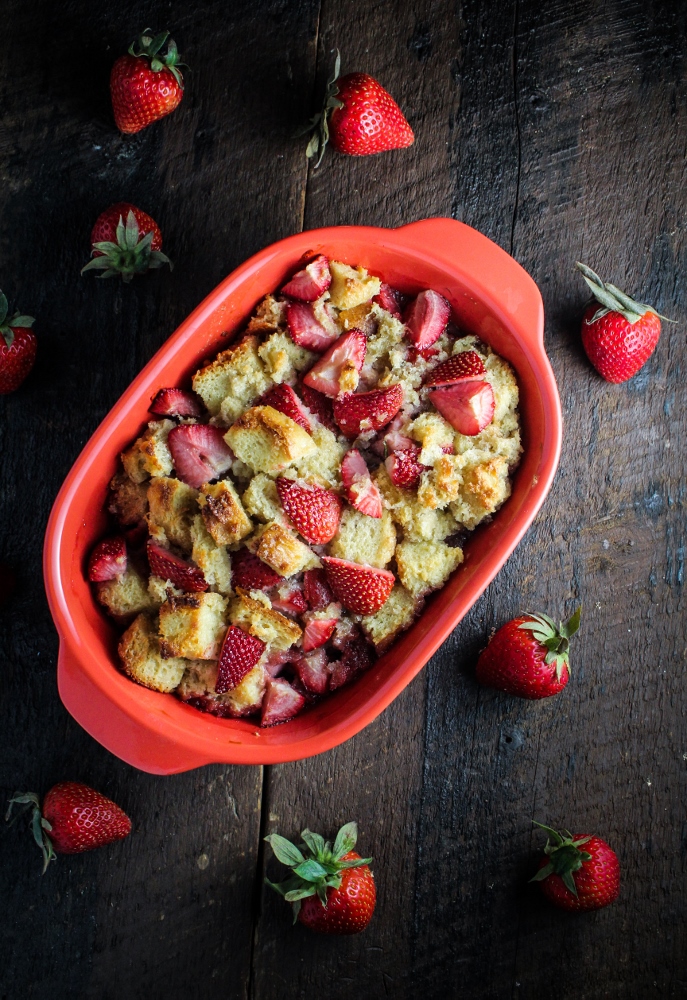
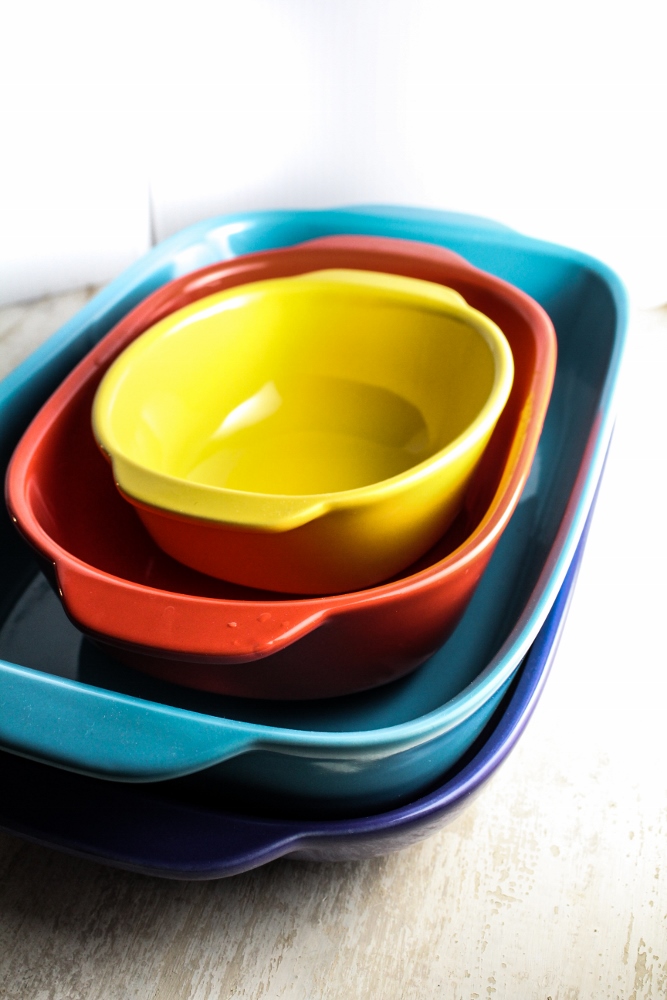
A few weeks back, Corningware reached out to see if I’d be interested in checking out their new line of bakeware, CWColor, and creating a recipe inspired by the fun new pieces in the line. Intrigued, and always on the lookout for dishes that can add a pop of color to my photographs, I agreed. I received four casserole dishes that nest neatly together: a small yellow dish, a medium-sized red dish, and two larger blue dishes (you can actually see the blue dish in my recent Maftool post, if you’d like). I really do like the colors – they strike just the right balance between brights and pastels, adding a fun, modern splash of brightness to my kitchen. I’ve been craving a good homemade dessert recently, so I knew that I wanted to use the dishes to bake something sweet, but still colorful and spring-like. Strawberries were the obvious choice, but I just made strawberry-rhubarb meringue pie a few weeks ago, so it needed to be more creative than that. Brainstorming with Trevor, he brought up the blueberry and white chocolate bread pudding I made last summer, and the idea quickly planted itself in my head and grew into this amazing strawberry-bourbon bread pudding with white chocolate sauce.
#CWColor Bakeware Giveaway on Katie at the Kitchen Door

This recipe is one that gives a whole lot more than it takes. It’s quick to assemble – a few minutes to chop up the bread and the strawberries, a minute to whisk together cream, eggs and vanilla, a minute to measure out the sugar and bourbon and pour them over the strawberries, and two minutes while the pudding is in the oven to melt a little white chocolate for the sauce. All simple steps, but when you open the oven and pull out that bread pudding, redolent of bourbon and vanilla and roasted strawberries, and drizzle the warm white chocolate sauce over the top, even you will find it hard to believe how easy it was to make such an intoxicating dessert. Yes, it’s full of vices – booze and gluten and dairy and sugar – but it’s good to eat something sinful every once in a while.
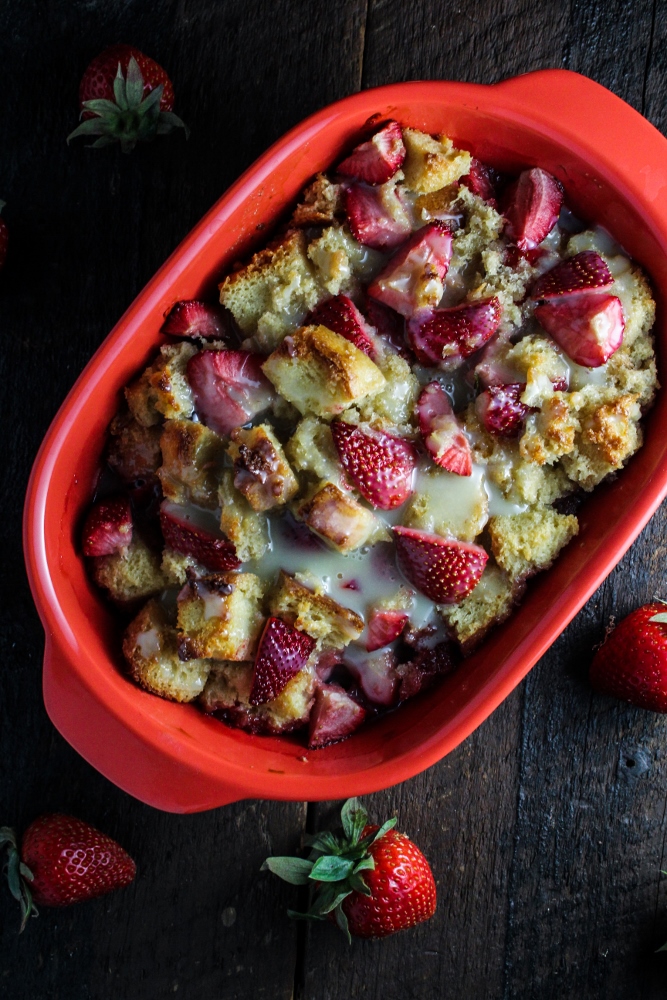
Strawberry-Bourbon Bread Pudding with White Chocolate Sauce {Katie at the Kitchen Door}

Sometimes when I’m blogging late at night, which, let’s be honest, is most of the time that I’m blogging, I find myself standing in the kitchen bent over the island, with the only light in the room my photo lightbox, brightly illuminating whatever dish I’ve just finished photographing. My camera is put down on the counter, and I stand there, fork in hand, finally testing the finished product. I usually only take a few bites before kicking back into gear for clean-up, but sometimes, when I’m really tired, and whatever I’ve made is really good, and the light is directing all my remaining focus and energy into the little space between me and the food, I stand for what seems like forever, slowly taking bite after bite, pondering just how much I really enjoy food. Truly. It’s such a pleasure. This bread pudding was one of those dishes, a dish to savor. Who knew bakeware could create such inspiration?

Giveaway now closed! Congrats to Danielle Taj on winning!

Giveaway details: Corningware has offered to send one Katie at the Kitchen Door reader a casserole set of their new CWColor products. To enter, leave a comment below letting me know what spring baking you have planned this month. By entering, you are agreeing to the official rules as listed here:

  • No purchase necessary
  • Void where prohibited
  • One entry per household, and only entries answering the question above will be considered!
  • The sponsor of this giveaway is Corningware
  • The estimated retail value of the Corningware bakeware is $50
  • The odds of winning will depend on the number of entries received
  • This contest is only open to U.S. Citizens over the age of 18
  • The contest will open today, April 10th, 2014 at posting time, and will close at 11PM EST on Thursday, April 17th, 2014
  • One winner will be selected randomly and contacted via email (so please leave an accurate email address!). If I do not hear from the winner within 48 hours, the winner forfeits their prize and an alternate winner will be chosen.
  • I will post the winner here by Friday, April 25th

Disclosure: I received product and compensation for recipe ingredients from Corningware in exchange for writing this post. I was not otherwise compensated and all thoughts and opinions are honest and my own.
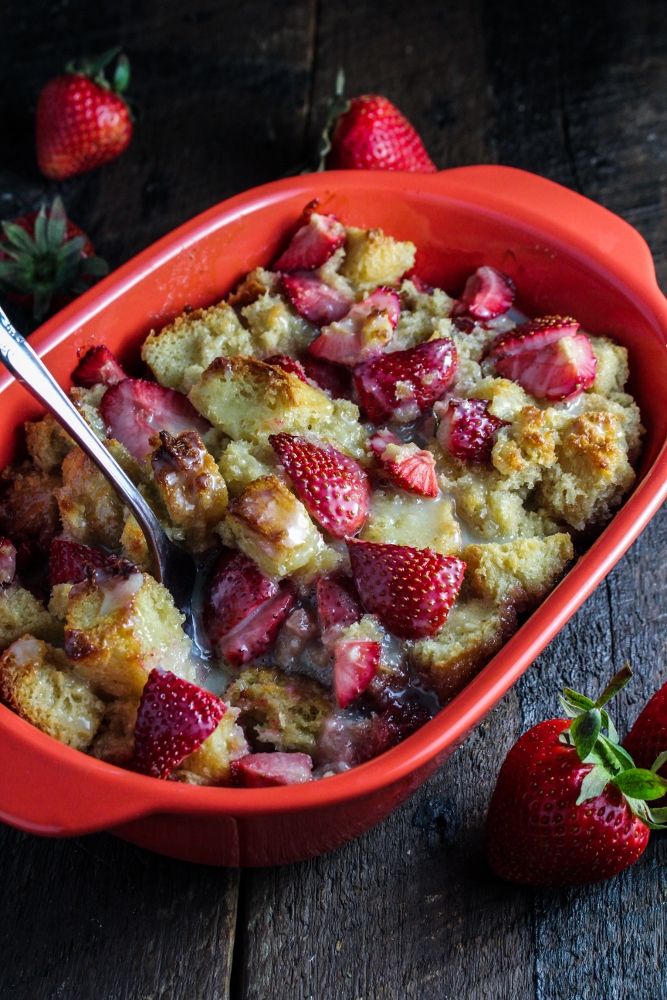
Strawberry-Bourbon Bread Pudding with White Chocolate Sauce {Katie at the Kitchen Door}

Strawberry-Bourbon Bread Pudding with White Chocolate Sauce

Inspired by Taste of Home. Serves 4-6.

  • 3/4 c. heavy cream, divided
  • 1/2 tsp vanilla
  • 1/2 tsp salt
  • 2 eggs
  • 4 c. 1-inch bread cubes, from a soft homemade loaf such as pullman or challah, about 1/2 lb. in total
  • 2 c. quartered fresh strawberries
  • 1/2 c. sugar
  • 1/4 c. bourbon
  • butter for greasing the pan
  • 1/2 c. white chocolate chips
  1. Preheat the oven to 350°F. Whisk 1/2 cup of the heavy cream, the vanilla, the salt, and the eggs together in a large bowl until fully combined. Add the bread cubes and toss with the cream mixture until the bread is fully coated. Set aside and let sit for at least 15 and up to 45 minutes so that the bread soaks up the cream.
  2. Toss the quartered strawberries with the sugar and the bourbon until well mixed. Set aside and let sit for 15-30 minutes until the berries are very juicy. Combine the berry and bread mixtures in one bowl and stir to thoroughly mix.
  3. Grease a 1.5 qt baking dish with butter. Add the bread pudding mixture to the pan, and place in the preheated oven. Bake for 35 minutes, or until bread is golden brown, custard is semi-set, and juices are bubbling. Remove from oven and let cool slightly. Pudding can be served warm, at room temperature, or chilled.
  4. Just before serving, add the remaining 1/4 c. of heavy cream and the white chocolate chips to a small saucepan. Heat over low heat, stirring, just until the chocolate has melted. Remove from the heat immediately and pour the warm sauce over the bread pudding.
Monthly Fitness Goals: April // Herb-Flecked Spring Couscous

8 April 8, 2014 Current Feature

Monthly Fitness Goals: April // Herb-Flecked Spring Couscous

Herb-Flecked Spring Couscous {Katie at the Kitchen Door}

I’m writing this after a particularly frustrating run because I need to give myself some perspective. It’s a cold Tuesday night at the end of March, and I’ve been cranky since my miserable WWE-fan filled train ride back into the city from Andover. I really don’t want to go for a run but I still have 10 miles left to meet my March goal, and only five days to complete them in, so I talk myself into going with the old “I promise you can stop after two miles” trick, which works every time, surprisingly. I start out, and I feel OK, if a little cold, and at about a quarter mile shy of my two mile mark, I realize that I’m going fast enough that I’m within striking distance of my 5K PR, and I pick up the pace and go for it. Eight minutes later, I stop, wheezing like I haven’t since high school cross country races, and look at my iPod. Ten seconds short of my 5K PR. Eight seconds short of my 1 mile PR. I’m incredibly frustrated, in pain, and in an even worse mood than when I started. The wine is poured as soon as I walk in the door.

As frustrated as I am, I know in the back of my mind that I’ve made a ton of progress this month, and I need to take a minute to recognize that. My mile time tonight was 7:13, and my 5K time was 23:50. My fastest mile in February? 8:24. And 8:37 in January. Earlier this winter it was even slower. That’s a big improvement. Last Saturday I ran 5.3 miles, which is more than I’ve run in one go since my half-marathon training two years ago. I’ve really been pushing myself this month, in large part because of this 40 mile goal I’ve set, and it’s paying off. I’m faster and stronger, and (bonus!) I’ve lost 7 pounds since January, which feels like the first meaningful weight loss I’ve had in years. So despite nights like tonight, I’m sticking with these monthly goals!

Herb-Flecked Spring Couscous {Katie at the Kitchen Door}

Writing the above a few weeks ago was really empowering – it’s the kind of thing I need to write down so that I can go back to it as I encounter the inevitable fitness frustrations the future will bring. Later that week I did beat my 5K record, and I managed to run 43 miles in total in March. A big success, and a goal that really made me focus on what I wanted to achieve.

My goal for April is to take 8,000 steps a day, at least on all the days when I’m not traveling (you don’t really have full control over your activity levels when you spend an entire day on a plane). I’ve been using the Moves app as a pedometer in my phone since January, when I decided I wanted a FitBit but wasn’t sure which model. A few Google searches and I came across the free app which serves my purposes very adequately, negating the need to buy a new device. As I did my research, I also came across the “10,000 steps” goal that most pedometer users strive for – it was mentioned on almost every website I read. I consider myself a pretty active person, so I wasn’t expecting reaching 10,000 steps to be hard, but I was sort of shocked by the low numbers in my first few weeks of tracking. To be fair, I don’t bring it with me when I’m running, but still, I don’t run every day, and it was particularly eye-opening to see that on most weekend days, I barely take 1,000 steps out of the house. Since I’ve only gone above 10,000 a handful of times, I decided that 8,000 would be challenging enough to do every single day, and if I can hit that, I can move up from there.

Bowl of Spring Greens - Fava, Pea, Asparagus, Basil, Parsley, Chive {Katie at the Kitchen Door}

This month is off to a bit of a rocky start, as I whiffed on the 8,000 number last Sunday, racing to the grocery store in the dark after a long day in the garden, trying to get those last 3,000 steps in before our friends came over. I only made it to 6,000 that day, but in a way, that means I’m setting goals that are hard enough. On weekdays it’s fairly straightforward to hit my goal – I just replace my subway transfer with a 15 minute walk through the park on either end of my commute, a pleasant addition to my day now that it’s finally warm. But those weekend days are hard! So wish me luck with the next few weeks.

Herb-Flecked Spring Couscous {Katie at the Kitchen Door}

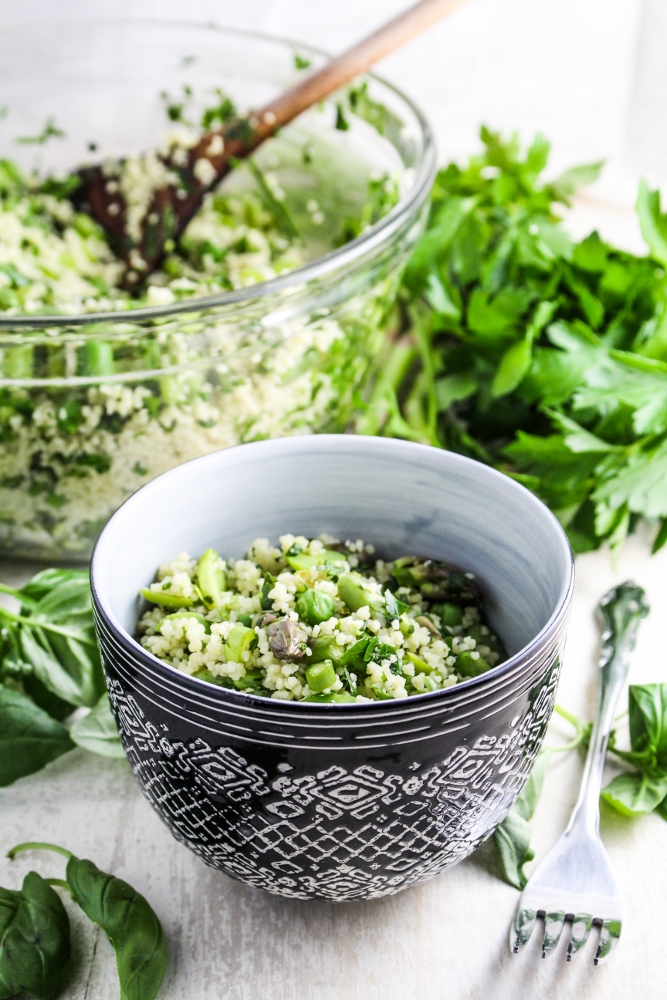
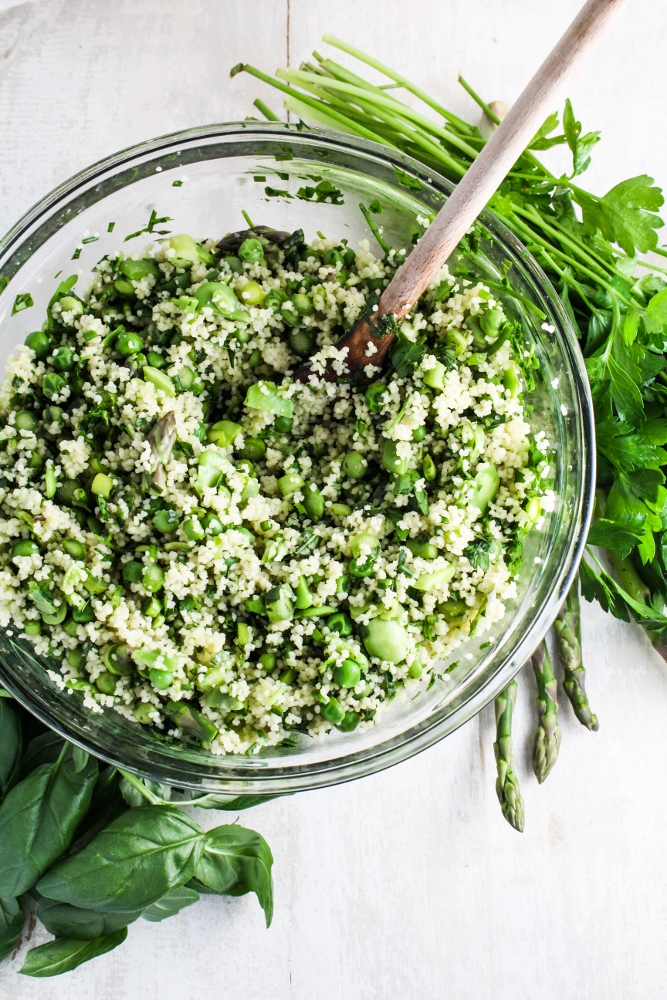
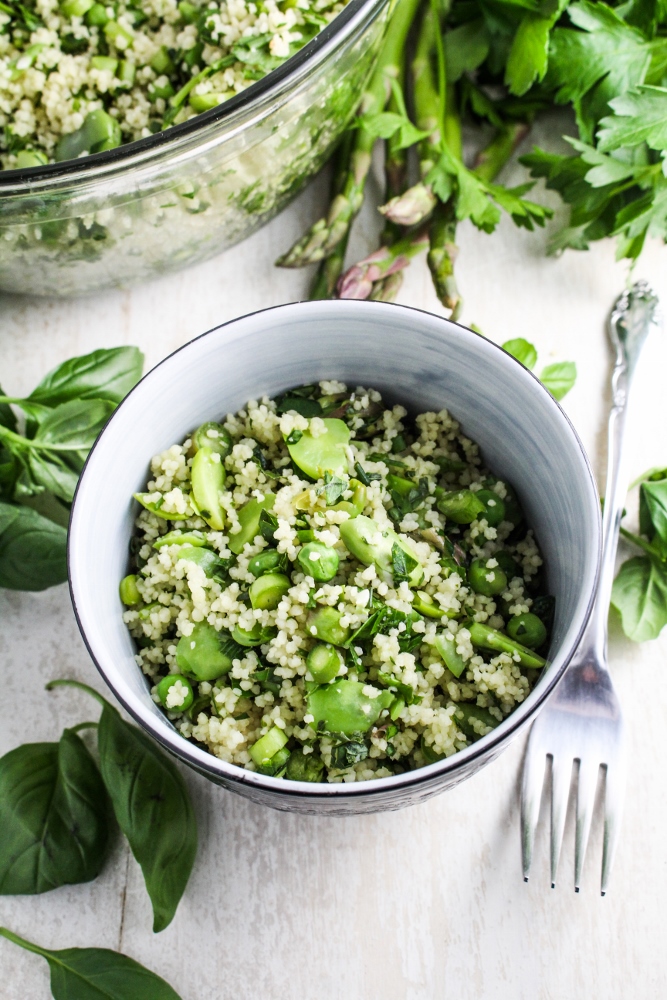
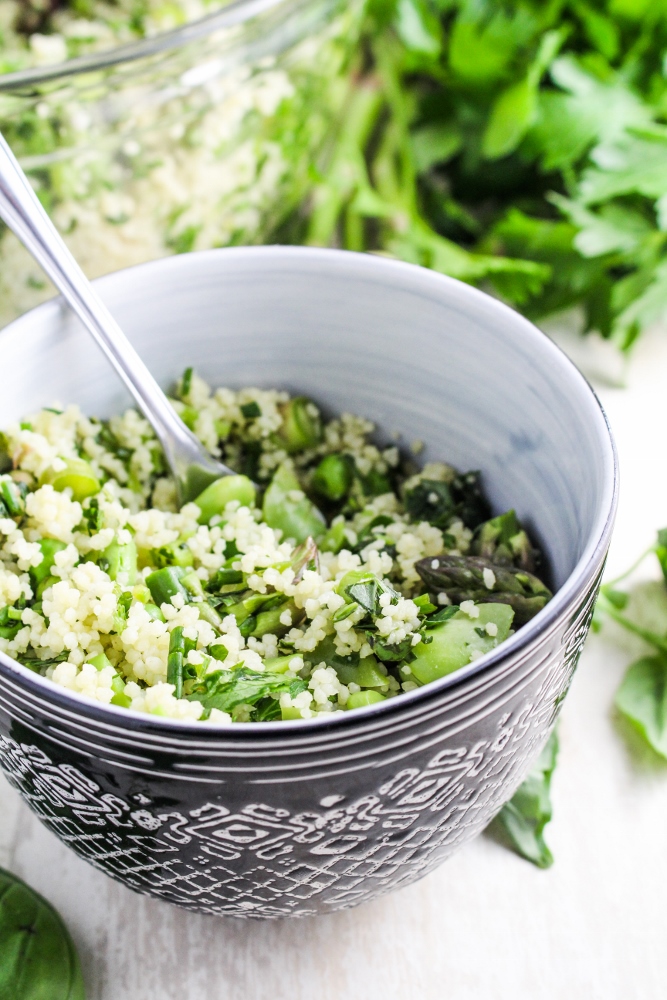
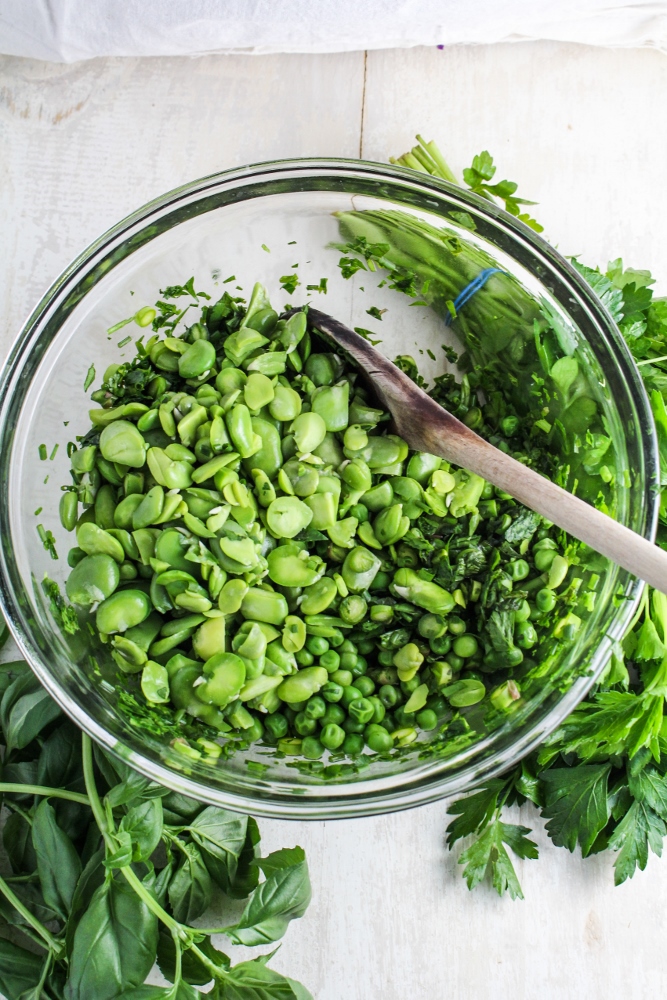
As for this month’s healthy recipe, I’m celebrating the return of green to the world by packing as many green spring vegetables and herbs as I can into one bowl of couscous. I mentioned last week that I had caved and bought some of the not-local-at-all fava beans and asparagus I’ve been seeing at the grocery store, and my consumption of spring greens hasn’t slowed down at all since. This salad is mostly vegetables, dressed lightly with lemon, herbs, and salt. You can add as much or as little couscous as you want – just a cup or two and you’ll have something akin to a tabbouleh; the full amount listed below and it will be more like a pasta salad. The ingredients are good in almost any ratio, so feel free to interpret the recipe loosely and incorporate whatever spring greens are currently inspiring you.

Past Fitness Challenges

January: 10 Visits to the YMCA; Recipe: Gluten-Free Olive-and-Feta Corn Muffins
February: One vegan meal every day; Recipe: Pakistani Chickpea Pulao with Sweet-Hot Date-Onion Chutney
March: Run 40  miles in 20 days; Recipe: Chocolate-Dipped Almond Butter Cookie Bites

Like what you just read? Subscribe to Katie at the Kitchen Door on Feedly or Bloglovin’, or follow along on Facebook, Twitter, Pinterest, and Instagram. Thanks for reading!

Herb-Flecked Spring Couscous {Katie at the Kitchen Door}

Herb-Flecked Spring Couscous

Serves 8-10.

  • 1 1/2 c. chicken or vegetable stock
  • 1 1/2 c. couscous
  • 2 TBS basil olive oil or regular olive oil
  • sea salt to taste
  • 2 c. shelled fresh fava beans (from about 2 lbs. in their pods)
  • 1 c. shelled fresh English peas
  • 1 c. very thinly sliced asparagus rounds, from about 1/3 lb. asparagus stalks
  • 1/3 c. finely minced fresh basil leaves
  • 1/3 c. finely minced fresh parsley leaves
  • 1/3 c. finely minced fresh chives
  • juice from 1 lemon
  1. Bring chicken stock to a boil over medium heat in a medium saucepan. As soon as it reaches a boil, add the couscous, cover with a lid, and remove from the heat. Let stand, covered, for 10 minutes, then remove the lid and fluff the couscous with a fork. Add the basil olive oil and stir to coat the couscous, then season to taste with sea salt.
  2. Bring a large pot of salted water to a boil. Add the shelled fava beans and the peas, and blanch until peas are bright green, about 3-4 minutes. Drain and rinse the beans and peas in cold water, then drain again. Remove the skin from the fava beans by slitting one end with your thumb and popping the bright green bean out by squeezing the other end. Roughly chop the fava beans, and place in a large bowl with the peas.
  3. Add the asparagus rounds, the basil, the parsley, the chives, and the lemon juice to the bowl with the favas and peas. Stir to mix. Add the couscous to the greens and stir to coat. Season to taste with sea salt. Serve room temperature or chilled.
Book Club: Olives, Lemons & Za’atar // Palestinian Couscous with Chicken, Chickpeas, and Onions

0 April 5, 2014 Cookbook

Book Club: Olives, Lemons & Za’atar // Palestinian Couscous with Chicken, Chickpeas, and Onions


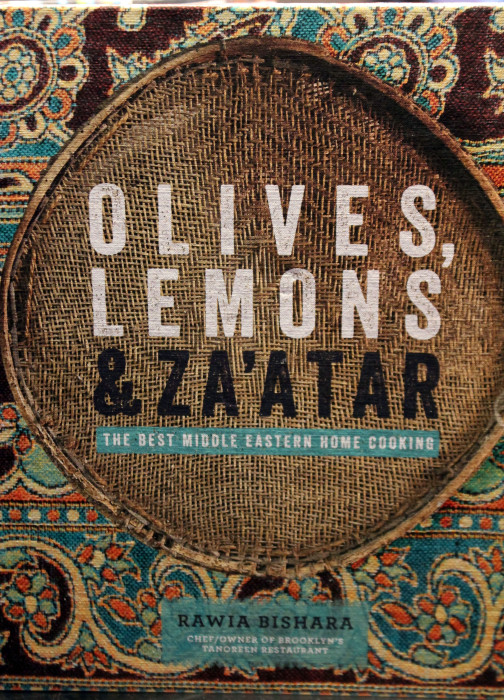
Olives, Lemons, & Za’atar: The Best Middle Eastern Home Cooking

Cookbook Review: Olives, Lemons & Za'atar


The Book: This spring has seen a lot of Middle-Eastern themed cookbook releases, including Istanbul, Flavors of the Middle East, and Under the Shade of Olive Trees. The first one to grace our bookshelves is Rawia Bishara’s Olives, Lemons, and Za’atar. By the chef-owner of Tanoreen restaurant in Brooklyn, it’s a book filled with recipes that feel both modern and traditional, an elevated but still accessible take on a rural cuisine. Rawia does not treat her family’s cooking style rigidly, but rather lets it grow and evolve based on inspiration from her travels throughout Europe and her years in New York. Many of the resulting recipes are loaded with summer produce, which feels a little bit like torture right now, but is also filling me with inspiration for what to do with all those eggplants and peppers we’ll have come August. I especially can’t wait to try the Eggplant Napoleon, a stack of fried, pesto-marinated eggplant slices served with a slather of baba ghanouj, fresh tomatoes, and more pesto. I’m also drawn toward the big family dinner and feast dishes that she shares – big platters of meat and grains and vegetables, all heavily spiced and sauced – they feel festive and complete and make me want to gather friends around my table more often. The bright flavors that Rawia presents are echoed heavily in the book’s clean design and photography – the pictures in the book are wonderfully colorful and energetic, immediately transporting me to a warmer climate where food and color are abundant. It’s a book filled with light, flavor and summertime, for sure.

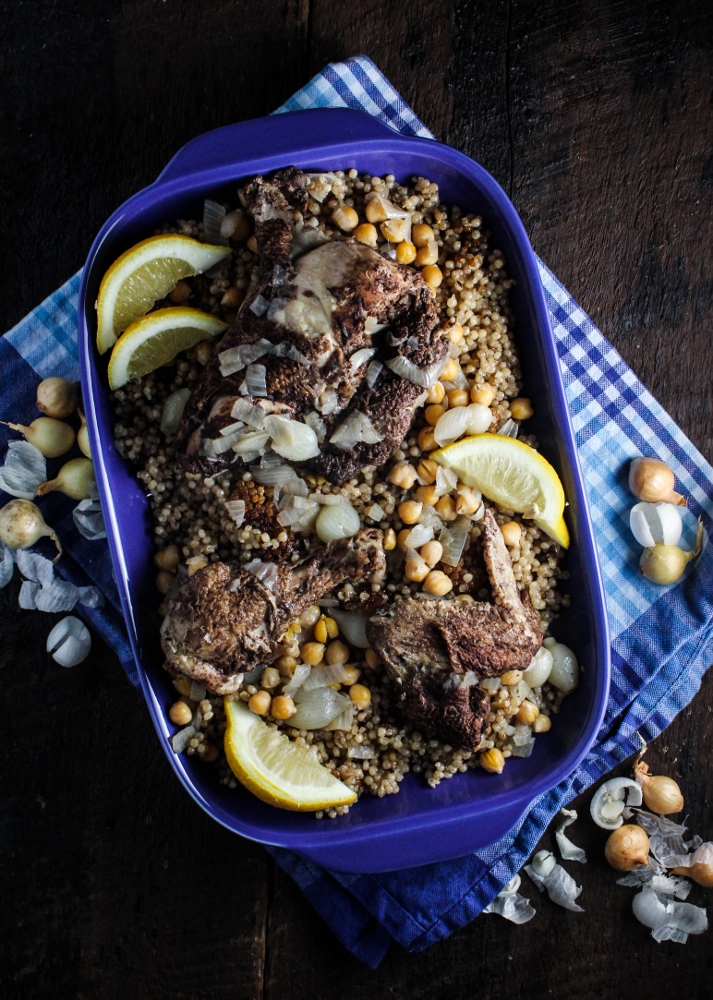
Maftool: Palestinian Couscous with Chicken, Chickpeas, and Pearl Onions {Katie at the Kitchen Door}

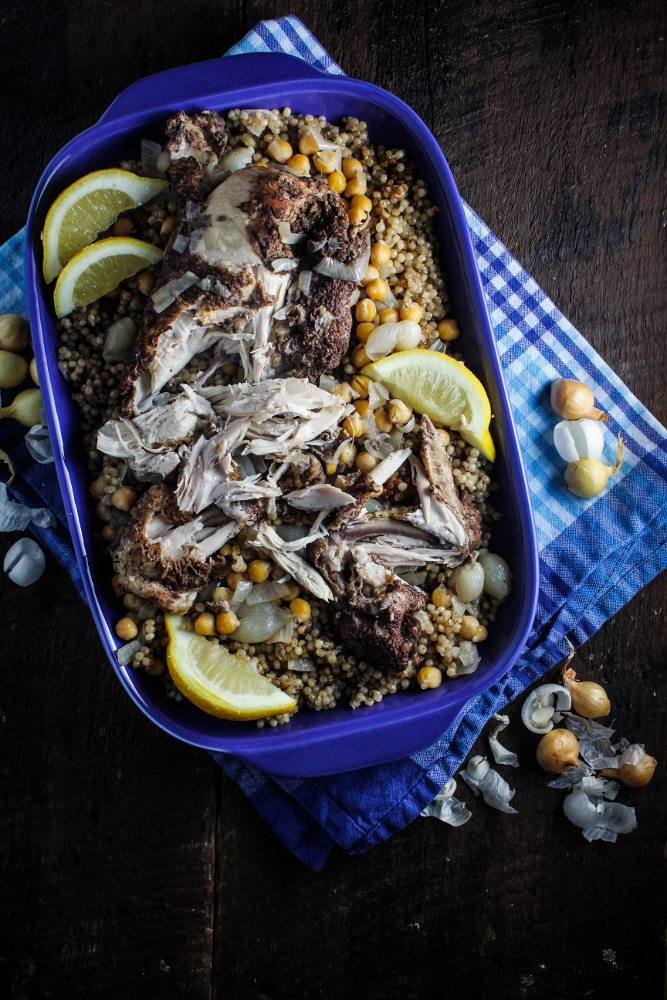
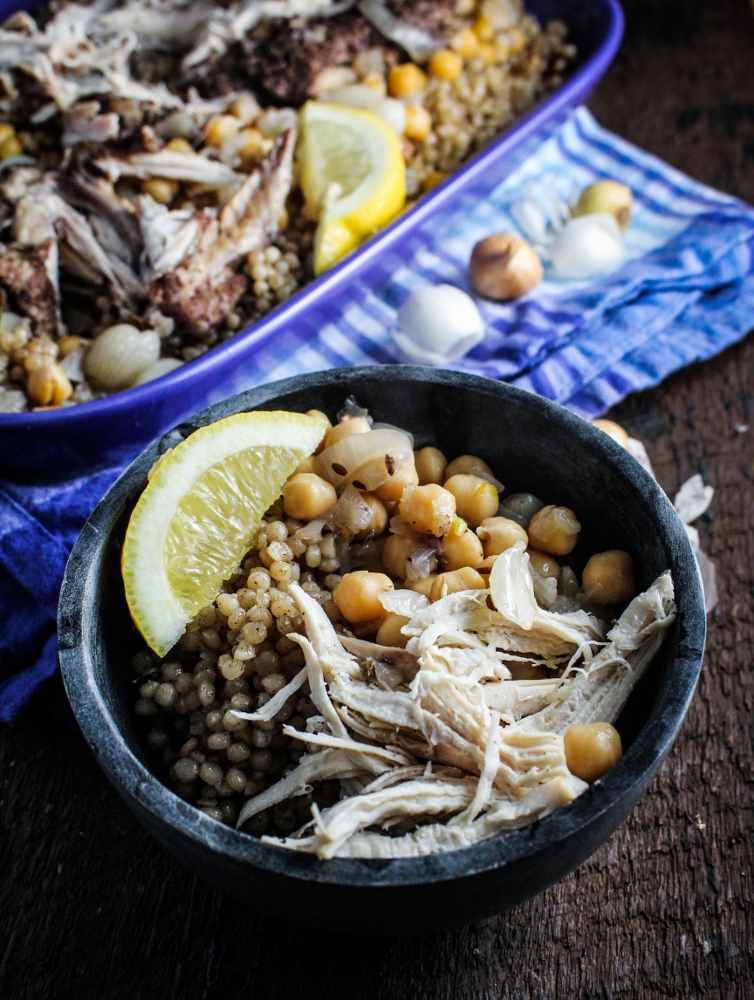
The Food: So far, we’ve made two dishes from Olives, Lemons, and Za’atar, and both were probably more appropriate for a grand feast than for dinner for two, but I have no regrets about either of them. Featured here is Maftool, the word for Palestinian (better known as Israeli) couscous, but that also refers to a traditional feast dish that uses the couscous as a base. This recipe adorns the couscous with chicken, chickpeas, and pearl onions, all beautifully spiced with a mix of caraway, allspice, cumin, coriander, and other warm spices. I really liked the technique for this dish – after spice-coating and browning the chicken, you add the chickpeas, onions, and several quarts of water to a pot with the chicken to simmer until the chicken is very tender, simultaneously making a gorgeous spiced chicken broth. Then, when it’s time to cook the couscous, you ladle the broth out of the pot onto the couscous, meaning the whole meal is infused with the flavors of the broth and spices. I cooked the couscous just a moment too long, leaving me with a crunchy, caramelized layer on the bottom of the pot – but after trying those crunchy couscous bits, I wouldn’t cook it any other way. The meal is served on one platter – couscous topped with the chicken pieces, lightly shredded, the chickpeas, and the pearl onions. It’s an aromatic, filling, and wholesome dish, perfect for serving a crowd in the winter. As an aside, the recipe headnote states that this dish makes enough for four, but we got at least eight servings out if it – it really makes an obscene amount of food. Plus as a byproduct, you have a delicious pot of chicken and chickpea soup, which I quickly stashed in the freezer for my next cold. The other dish we tried was a braised lamb shank dish which Trevor prepared, served with potatoes and a fresh tomato sauce. Again, the meat was beautifully spiced, and the addition of a cup of basil made it smell like summer. I think we’ll be cooking from this book for a while.

Recipe Shortlist: Brussels Sprouts with Tahini, Pomegranate Molasses, and Panko; Za’atar Bread; Cauliflower Salad with Tahini and Pomegranate; Sweet Pea and Kafta Stew; Eggplant Napoleon; Smoked Wheat with Lamb; Garlic Sauce for Roasted Chicken; Flower-Scented Custard with Pistachios

Like what you just read? Subscribe to Katie at the Kitchen Door on Feedly or Bloglovin’, or follow along on Facebook, Twitter, Pinterest, and Instagram. Thanks for reading!

Disclaimer: I received a review copy of Olives, Lemons, & Za’atar free of charge from Kyle Books, but I was not otherwise compensated and all thought and opinions are my own.

Maftool: Palestinian Couscous with Chicken, Chickpeas, and Pearl Onions {Katie at the Kitchen Door}

Maftool: Palestinian Couscous with Chicken, Chickpeas, and Pearl Onions

Recipe adapted slightly from Olives, Lemons, & Za’atar. Serves 8.

  • 2 TBS ground caraway seeds
  • 1 TBS ground allspice
  • 1 TBS ground cumin
  • 1 TBS ground coriander
  • 1 TBS sea salt
  • 1 TBS freshly ground black pepper
  • 1/2 tsp ground nutmeg
  • 1/2 tsp ground cardamom
  • 1/2 tsp ground cinnamon
  • 1 chicken (2 1/2 to 3 pounds), cut into 8 pieces
  • 8 TBS olive oil, divided
  • 2 lbs. fresh pearl onions, peeled (blanch first to make peeling easier)
  • 3 yellow onions, roughly chopped
  • 1 lb. dried chickpeas, soaked overnight, then boiled until tender; or 2 (15 oz.) cans of chickpeas, drained and rinsed
  • 2 lemons
  • 2 lbs. Israeli couscous
  1. In a small bowl, combine the first 9 ingredients, stirring to mix. Rub half of this spice mixture all over the chicken pieces. Set aside the other half of the spice mix.
  2. Add 4 TBS of olive oil to a large, heavy-bottomed stock pot. Heat over medium heat, then add the chicken pieces in batches, skin-side down, being careful not to crowd the chicken. Brown the chicken for 6-8 minutes per side, until golden brown. Use tongs to transfer the chicken pieces to a plate. Repeat with any remaining chicken pieces.
  3. Add the pearl onions and chopped yellow onions to the olive oil and saute until they begin to brown, about 5 to 7 minutes. Return the chicken pieces to the pot and add the chickpeas and 3 quarts of water. Raise the heat and bring to a boil, skimming any foam from the surface of the pot. Reduce the heat, cover, and simmer until the chicken is falling off the bone, 45 minutes to 1 hour. Stir in the juice of 1 lemon, and remove from heat.
  4. About 20 minutes before the chicken is done, add the remaining 4 TBS of olive oil to a large saucepan and heat over medium heat. Add the couscous, stirring to coat with the olive oil, and saute until fragrant, about 2-3 minutes. Add the reserved spice mixture and stir to coat grains, then saute for 1 minute. Ladle 6 cups of the broth from the chicken pot into the couscous and bring to a boil. Reduce the heat, cover, and simmer until the couscous is tender and the liquid is absorbed, about 10-15 minutes. Remove from heat and let stand for 10 minutes.
  5. To serve, spoon the couscous onto a large platter and top with the chicken pieces, chickpeas, and onions. Reserve any leftover broth for another use (or it makes a delicious soup on its own with some of the extra chicken in it).
Ecuador Travelogue: The Amazon & Itamandi Lodge

0 April 3, 2014 Travel

Ecuador Travelogue: The Amazon & Itamandi Lodge

Ecuador Travelogue: The Amazon - Itamandi Lodge {Katie at the Kitchen Door}

Ecuador Travelogue: The Amazon - Itamandi Lodge {Katie at the Kitchen Door}

Ecuador Travelogue: The Amazon - On the Arajuno River {Katie at the Kitchen Door}

Ecuador Travelogue: The Amazon {Katie at the Kitchen Door}

Itamandi Lodge – Facilities

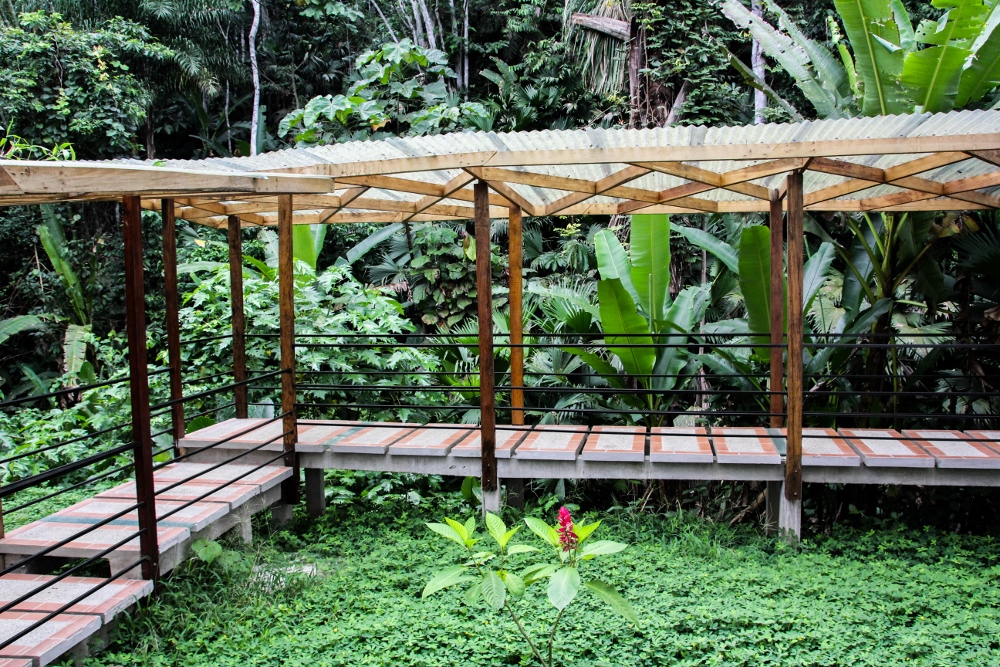
For our three day jungle experience, we stayed in the newly opened Itamandi Lodge, an eco-lodge on the banks of the Arajuno river. The lodge is only accessible by boat (specifically, by 30-ft long motor canoe), so we were picked up at the Arajuno bridge, fairly close to the town of Tena, loaded into the boat with our luggage, and whisked up the river. Itamandi is one of the more accessible lodges, being only 20-30 minutes from a road; other jungle lodges, including another property by one of the owners of Itamandi, require an eight hour boat ride to access. I have to say, it was unnerving enough being in an unfamiliar environment 20 minutes from a road – I can’t imagine being eight hours from one. The design of the lodge is very nice, well integrated into the jungle, with covered walkways everywhere to protect you from the frequent rainstorms, a large open dining pavilion, a beautiful long pool that uses a small amount of salt-water instead of chlorine for disinfecting, and spacious rooms with views of the river and lots of tropical hardwoods. We actually loved the pool, which was deep enough for diving and long enough for laps, and spent way more time in it than we anticipated – it’s really nice to be able to cool off after trekking through the sticky jungle. As far as eco features go, besides the pool, there was a big array of solar panels for energy, and the toilets and waste water systems were composting. There were probably other features, but I don’t get that into that stuff so I didn’t take note of them. The five of us were the only guests for the three days that we were there, so we had the undivided attention of all the staff, which felt both really luxurious and a little strange. That said, everyone on the staff was wonderful, friendly, and took excellent care of us, making our experience decidedly more positive than it would have been without them.

Ecuador Travelogue: The Amazon - Itamandi Lodge {Katie at the Kitchen Door}


The property has only been open since November of 2013, so it did feel like there were still some kinks being worked out. The first issue we had was with our screens, which were full of fairly large holes – apparently the giant crickets like to eat the screens. When we mentioned it, everyone was very accommodating, and we fixed the problem with some duct tape, which was a perfectly satisfactory solution for us. The second night, there was a major rainstorm, and although it didn’t bother us much during the night, in the morning we noticed that the rain had actually ripped through the plaster in our room. Again, the staff was very accommodating and we moved to a different, leak-free room. We actually preferred our second room as it was on the second floor, and there was much more of a breeze moving through the room. Two things we thought the rooms could really use – a ceiling fan, for those desperately still and hot nights, and wall hooks, for the numerous wet things you’ll acquire during your stay. Hopefully they can fix some of the structural issues as they continue operating – otherwise, it might be hard to keep the jungle at bay. Even with these small issues, I would recommend the property to anyone looking for a semi-luxurious jungle experience in Ecuador – just think of it as something between “glamping” and a typical hotel, and you’ll be in the right mindset to enjoy it.

Ecuador Travelogue: The Amazon - Breakfast by the Pool at Itamandi Lodge {Katie at the Kitchen Door}

Ecuador Travelogue: The Amazon - Coconut-Sugar Chicken {Katie at the Kitchen Door}

Ecuador Travelogue: The Amazon - Breakfast at Itamandi Lodge {Katie at the Kitchen Door}

Itamandi Lodge – The Food

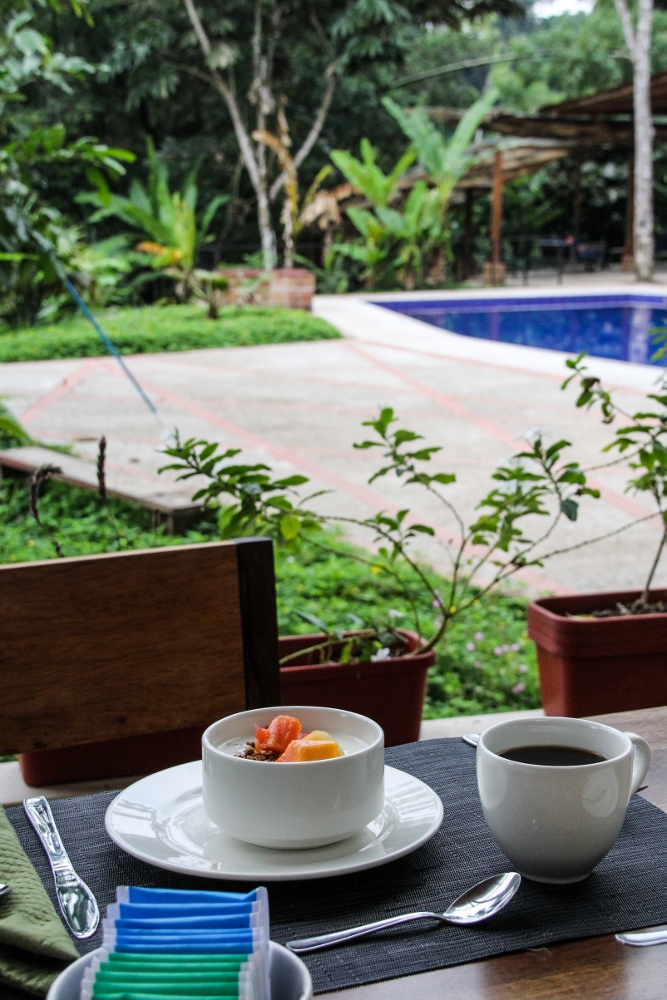
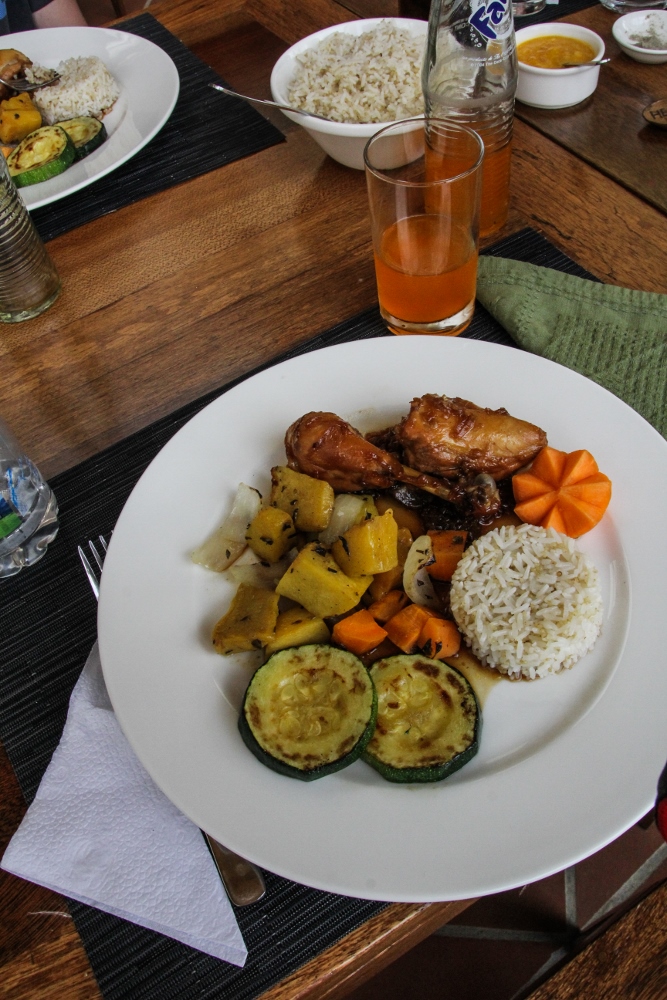
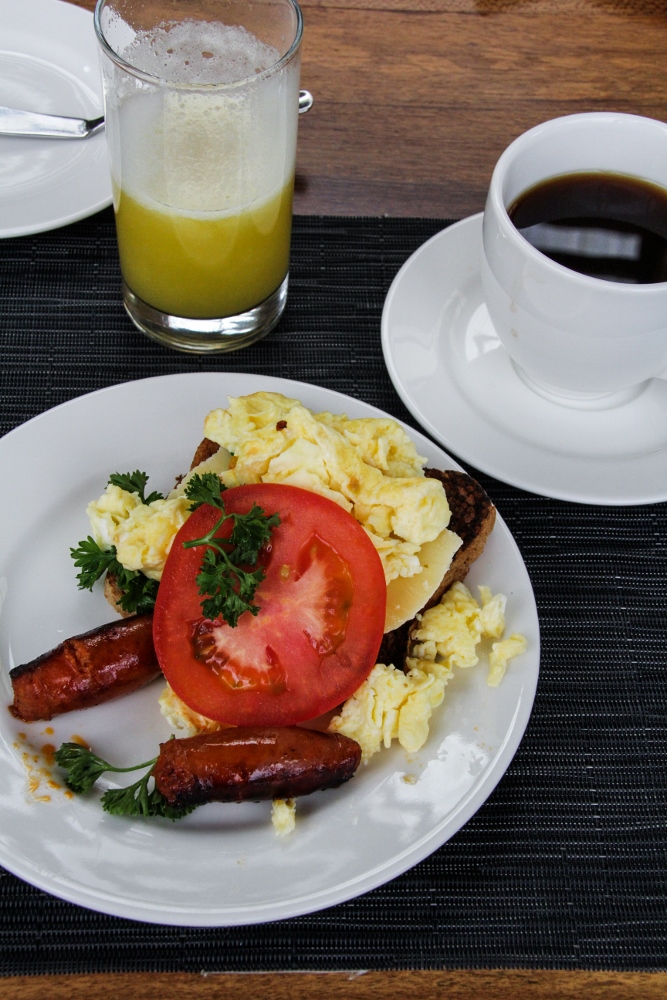
Since this is a food blog, after all, I wanted to call out some of the meals we had at Itamandi, as they were the best that we had on our trip. Alex, the manager, and Clide, our guide, were both kitchen whizzes, and turned out multiple three course meals a day just for the five of us. Breakfasts were standard fare – eggs, sausages, really tasty fresh tomatoes, fruit, yogurt, and juices – but very well prepared, and pleasant to eat by the pool in the fresh(er) morning air. Lunches and dinners were delicious, three course affairs. Some highlights were the coconut-sugar glazed chicken, yucca fries, tilapia prepared in a banana leaf, patacones (plantain fritters), hot cheese empanadas served immediately upon our arrival, and the exotic poached fruits for dinner – starfruit, tree tomato, pineapple, all served in a cinnamon syrup. Everything was delicious, and way more gourmet than we expected to find in the middle of the jungle.

Ecuador Travelogue: The Amazon - Drinking Snake at Night {Katie at the Kitchen Door}

Jungle Night Walk

Our very first activity upon arriving at Itamandi was a jungle night walk. We arrived in the late afternoon, and after our welcome empanadas and a chance to put our luggage away, we met at dusk in our long-sleeved everything, headlamps and flashlights in hand, and pulled on the ubiquitous Ecuadorian rubber boots to protect our feet and legs from bugs, snakes, mud, etc. We headed out on a trail that never strayed far from the lodge, but quickly became very close, twisty, and hilly. As we walked, our guides used flashlights to point out all the creepy-crawlies of the night: giant crickets, the super poisonous banana spider, a coiled drinking snake, fever ants, and lots of other really big bugs. It was really cool to see these creatures, but the humidity and darkness made me feel a little claustrophobic and slipping through the mud had me nervous that I would accidentally slip and step on something frightening. If I could have seen into the future, I would have asked that we do this on our second or third night, as I found it a bit intense for a first activity, but still, while I wouldn’t say I was enjoying it at the time, looking back on it is very cool.

Ecuador Travelogue: The Amazon - Parakeets at the Clay Lick {Katie at the Kitchen Door}

Parrot Clay Lick

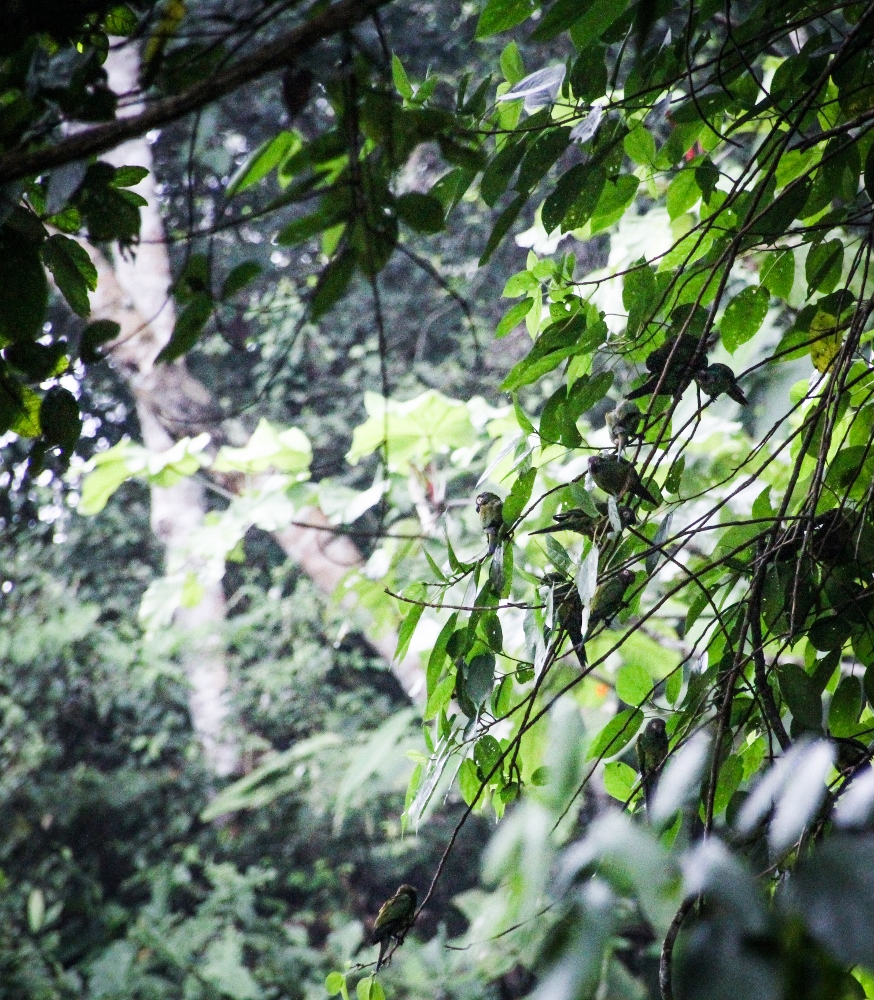
Our first morning, we met before dawn to head out in the motor canoe, hoping to catch sight of parrots and parakeets coming for a morning feast at a nearby clay lick. About 20 minutes upriver we got out of the canoe and hiked up another steep jungle path to the lookout blind. This particular clay lick was very small, only about one meter in diameter, and no birds had arrived yet when we got there. Clide, our guide, explained to us that we should sit and wait, so that’s what we did. This turned out to be an exercise in patience and listening, as we sat for 30 minutes, absorbing the different bird calls and noises we were hearing – it was actually really cool to start being able to parse out different birds, just from hearing their calls. We soon heard the parakeets arriving, although it took them a while to descend from the treetops toward the clay lick. The parakeets were a brilliant green color – but so were the trees, so it was a bit difficult to see them. Still, I got a couple of decent pictures before we headed back for breakfast. I’m certainly not a birding convert, but I’m glad we went.


Ecuador Travelogue: The Amazon - Jungle Hiking {Katie at the Kitchen Door}

Ecuador Travelogue: The Amazon - Tanager {Katie at the Kitchen Door}

Jungle Hiking

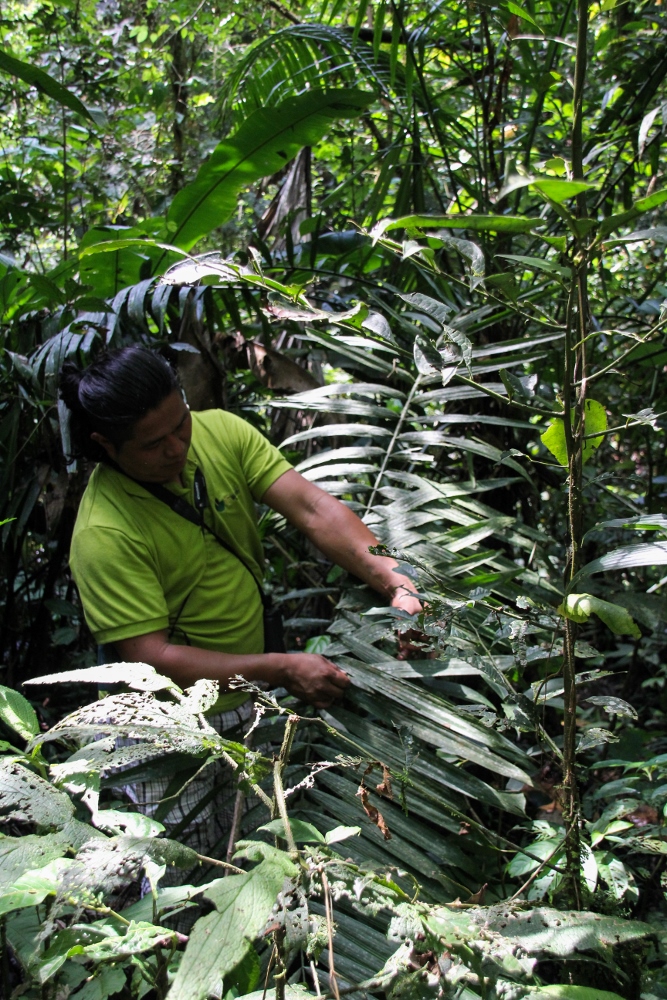
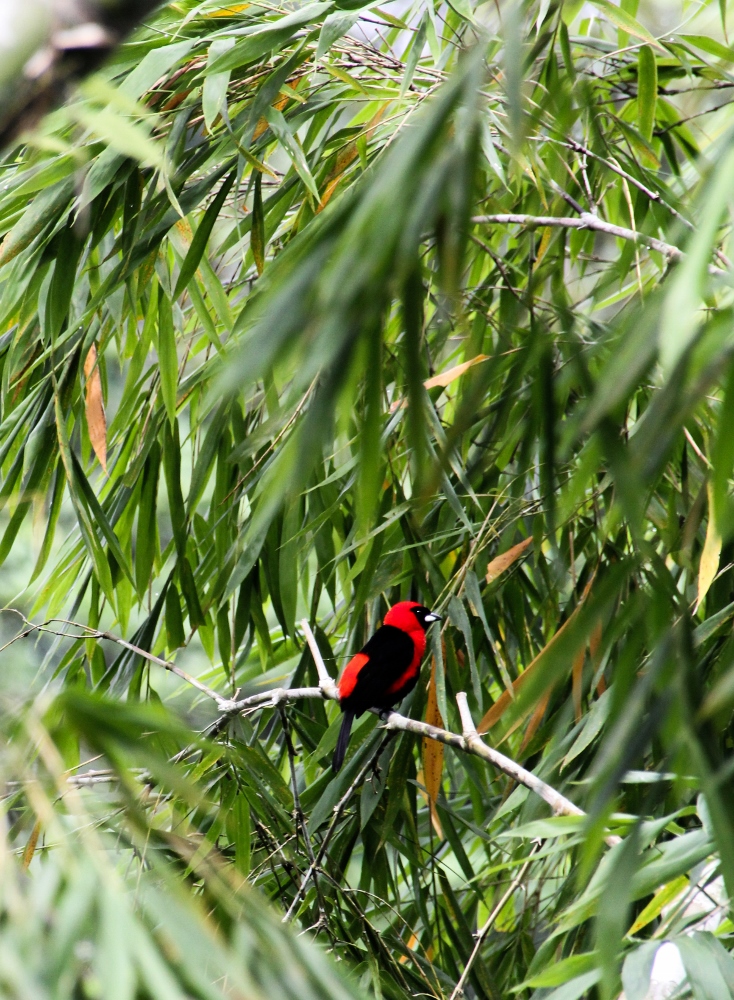
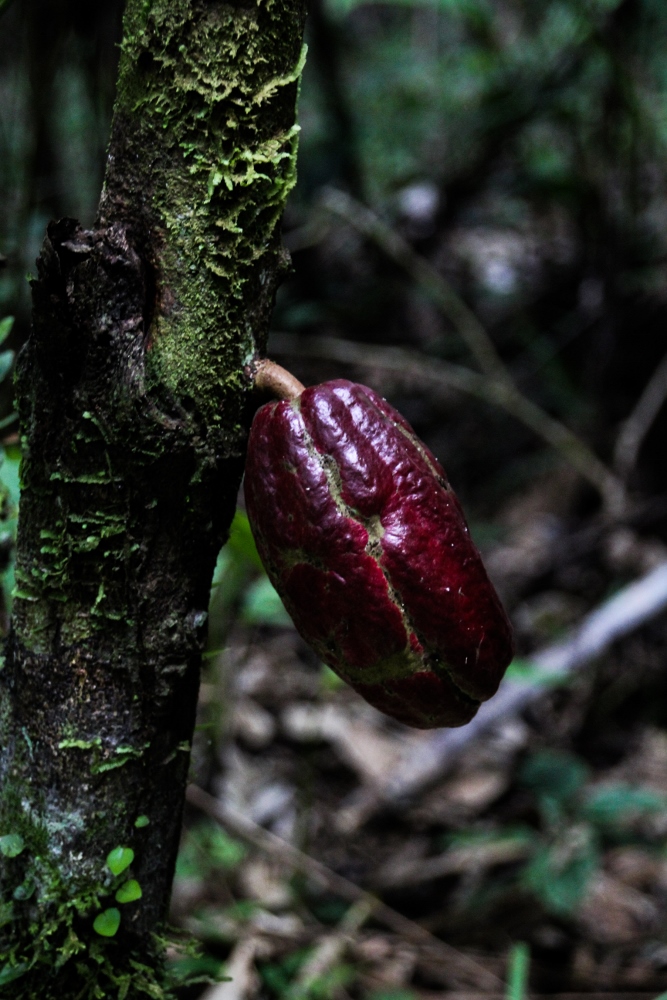
Between the intensity of the night walk and the long wait for the parakeets, I think we were all feeling a bit apprehensive about the next two days as we sat at breakfast that first morning. After breakfast, we were back in our jungle gear for a daytime hike, and we quickly cheered up as Clide led us along a more open hiking trail, the air moved through the trees, and a little bit of sunshine filtered through to us. This walk was really an awesome experience – Clide, who grew up in a local Quichua community, was super knowledgeable about pretty much everything in the jungle (he was telling us that he sometimes leads advanced treks deep in the jungle with scientists in search of poisonous snakes. Which is both terrifying and awesome). We saw cocoa trees and sucked the sweet-sour fruit off of the beans; we found a colony of lemon ants, which are so sour (I tried one, it’s like a warhead!) that nothing at all will grow near their colonies except for the one variety of tree they live in; we saw trees that “walk” by sending out new above-ground roots as they grow and trees that shed their bark every three months to prevent vines from growing on them; we tried sour cane, a bright pink stalk that grows out of rotting logs and tastes a little like rhubarb; Clide showed us how to braid giant leaves to quickly create waterproof roofing. We learned so much in the two hour walk – I didn’t want it to end.

Ecuador Travelogue: The Amazon - Quichua Pottery Demonstration {Katie at the Kitchen Door}

Ecuador Travelogue: The Amazon - Quichua Pottery Demonstration {Katie at the Kitchen Door}

Community Visits

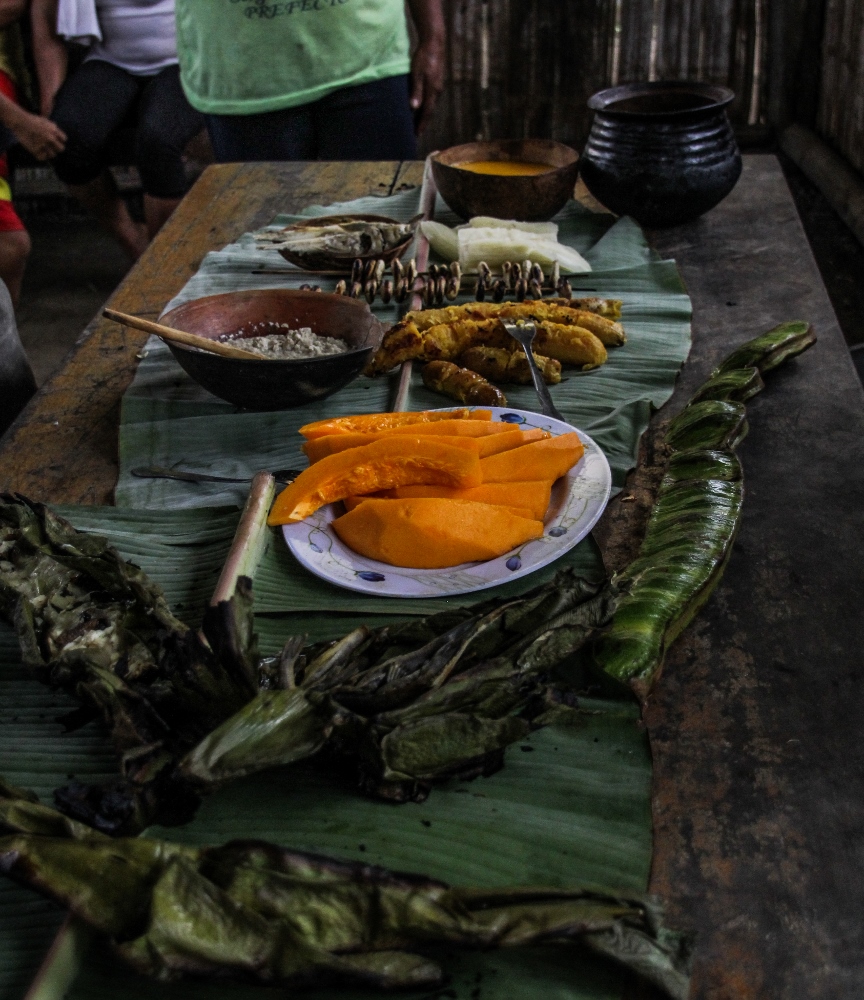
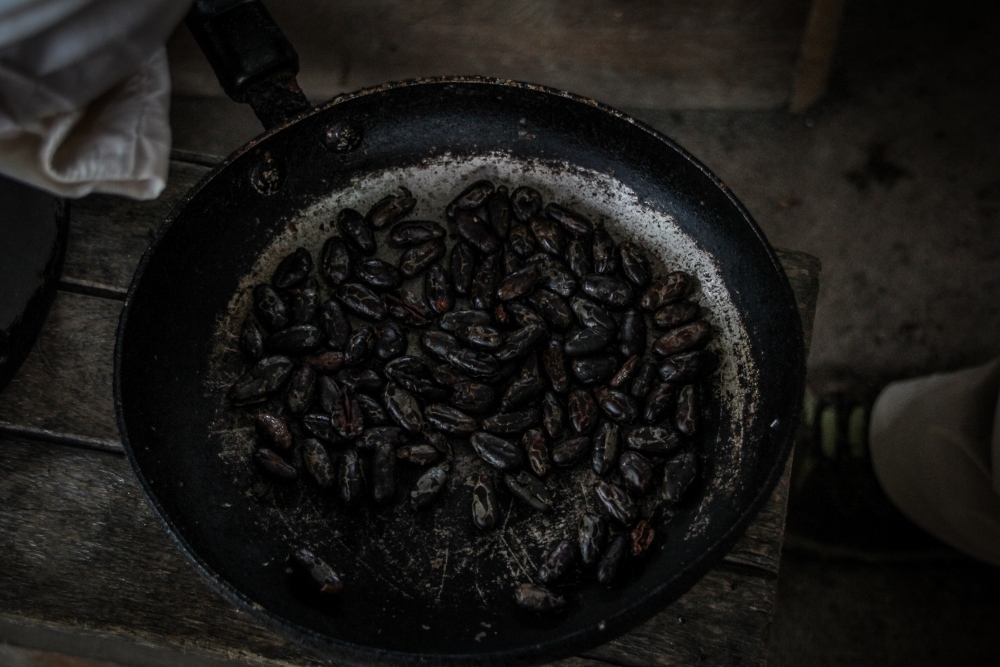
Part of the Itamandi experience is learning about and interacting with the indigenous Quichua people in the local communities. In general, we found that Ecuador seems to be very concerned with supporting and protecting the broad range of indigenous cultures found in the country, which was really great to see. In the Amazon, the main tribe living there is the Quichua tribe, although the famed Huaorani and Shuar tribes can be found deeper in the jungle. We visited two different Quichua communities while at Itamandi. First, we went to the community nearest to the lodge to see the village’s kapok tree, meet some of the people there, and try their traditional foods. They prepared a range of food for us: three forms of maito, a method of cooking in banana leaves, one with mushrooms, one with river fish, and one with hearts of palm and grubs; roasted white cacao beans; more river fishes; caramelized banana; roasted grubs; and chicha, a fermented yuca drink. I stayed away from the grubs and the fish, but I couldn’t stop eating the roasted white cacao – it had an amazing nutty, smokey, crunchy quality. Trevor went all out and tried everything, although he paid for it later in the week. It was really neat to try the foods, and afterward we bought a couple of necklaces made from beautiful red and black seeds from the women. Although the interaction felt a little bit uncomfortable at times, it was a really unique and educational experience.

Ecuador Travelogue: The Amazon - Traditional Quichua Foods {Katie at the Kitchen Door}

Ecuador Travelogue: The Amazon - Cacao Pod

Ecuador Travelogue: The Amazon - Roasting Cacao Beans {Katie at the Kitchen Door}

Ecuador Travelogue: The Amazon - Roasting Cacao Beans {Katie at the Kitchen Door}

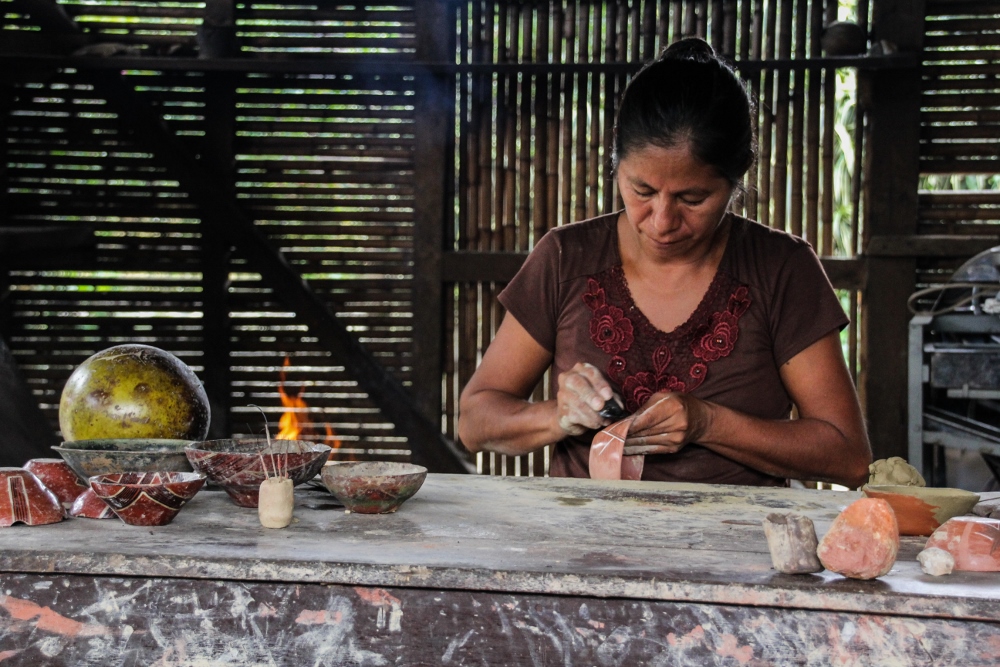
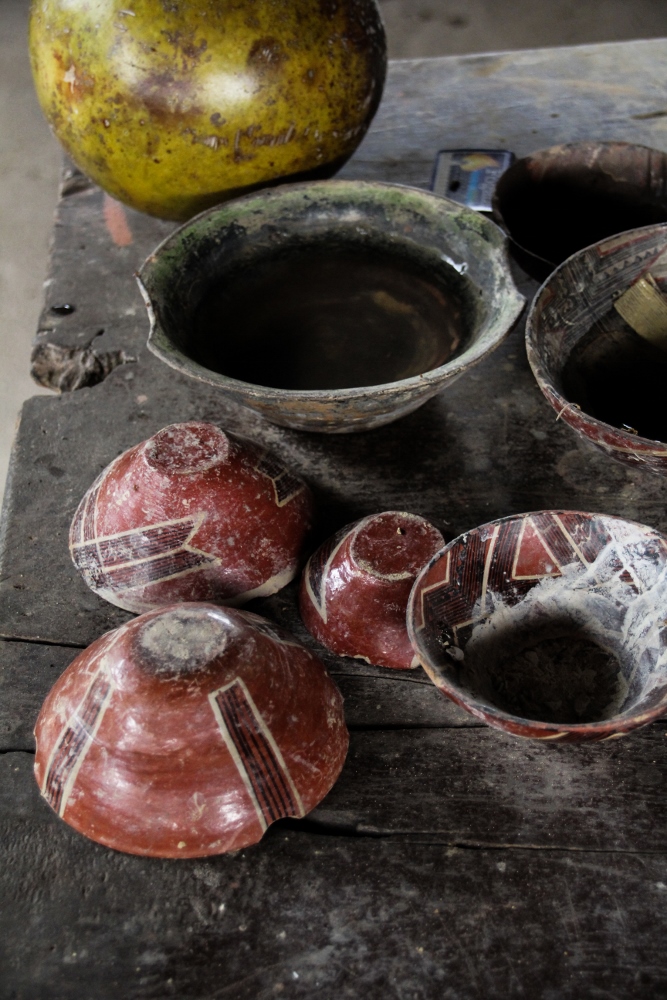
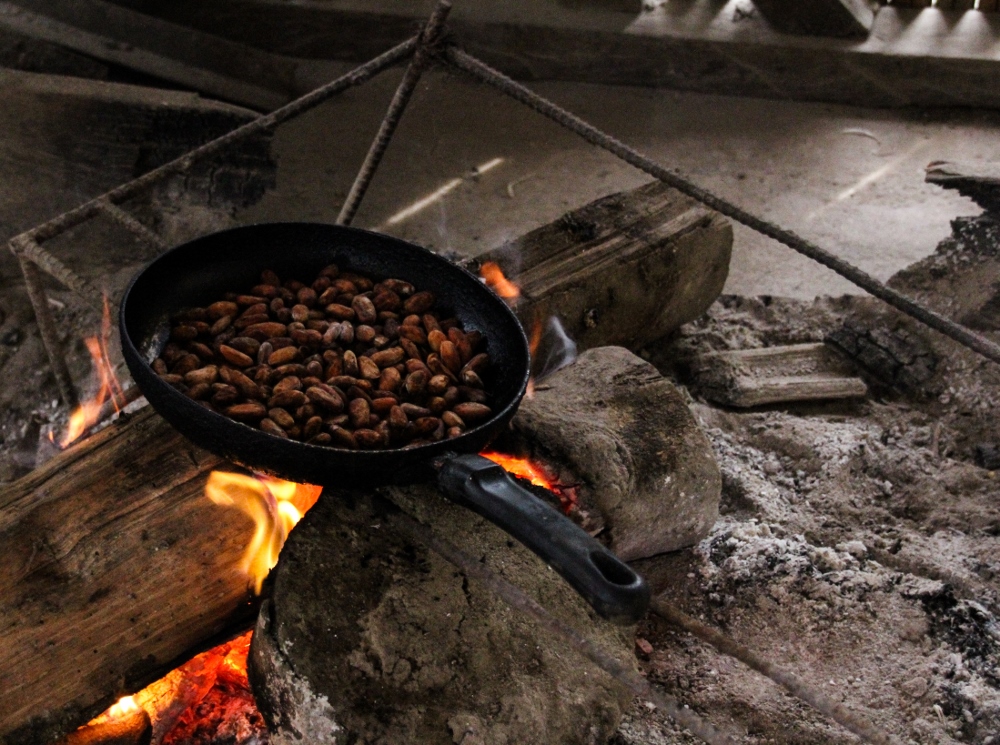
Later in the trip we visited a second community, which was a much larger town, accessible by road (not just boat, like the others), with a population of 3,000 people. While here we saw two different demonstrations – one of traditional pottery making and the other of chocolate making. The process for making pottery was really cool – everything they use to dye, glaze, and decorate the pottery is natural, from plant dyes to a certain black rock that is used to burnish the finished pieces. The designs and colors were really beautiful, so we brought home a couple small pieces from the adjacent shop. As for the chocolate, we started with a cacao pod, cracked open, and tried some more of the white fruit surrounding the beans. When cacao pods are harvested, the fruit-coated beans are left to dry in the sun for 5-6 days, until the fruit dries off. At this point, the beans are roasted until the skin cracks, then peeled, before the beans, now a very dark brown, are returned to the pan for a second roasting. The beans are then ground, and sometimes mixed with sugar. We got to participate in the whole process, and at the end we had a bag full of the freshest cocoa powder imaginable, with an amazing, heady, chocolate scent. We brought it back to the lodge with us, where Clide made us a very memorable batch of hot chocolate.

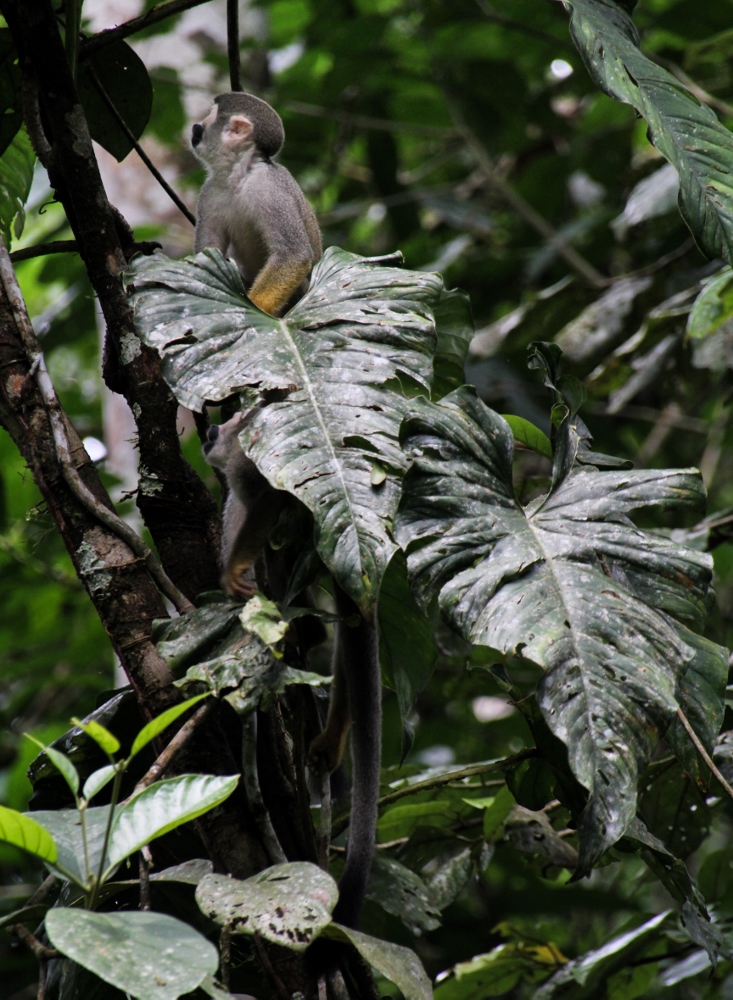
Ecuador Travelogue: The Amazon - Squirrel Monkeys {Katie at the Kitchen Door}

Ecuador Travelogue: The Amazon - Boa

Amazoonico

On the second day, we went a bit further down the river and took a turn onto the Napo river, a much larger tributary of the Amazon. Our first stop on the Napo was Amazoonico, one of several animal rescue centers in Ecuador. The people at Amazoonico take injured or abused animals, frequently ones that have been kept illegally as pets, and attempt to rehabilitate them before releasing them back into their natural habitat. Some of the animals will never be fully rehabilitated, and those animals stay at the facility, living in somewhat natural, but still caged settings. It’s an interesting project, and our two Swiss volunteer guides gave us a really good tour (plus we got to see the troop of wild squirrel monkeys that hang around to steal food up close and personal). On our way out of the Amazon the next day, our guide told us that a local village had just recently captured a big boa up in the highlands, and asked if we wanted to stop and see it. We did, and even though Trevor was really sick that morning he opted to drape it around his neck. It was exactly the kind of situation that we had heard about at Amazoonico, which brought up the question for all of us of whether or not the villagers had the right to keep that boa, as part of their traditional lifestyle, or if it was the type of thing that should be reported to Amazoonico, where it would just live in a different form of captivity. Maybe we didn’t learn our lesson, but it seems like a somewhat complicated moral issue.

More from our Ecuador adventures…
Ecuador Travelogue: Quito
Ecuador Travelogue: Baños
Ecuador Travelogue: Cotopaxi


Sunday Dinner // Fried Halloumi with Spring Veggies, French Gnocchi with Watercress Sauce, and Strawberry-Rhubarb Meringue Pots

1 March 31, 2014 Dessert

Sunday Dinner // Fried Halloumi with Spring Veggies, French Gnocchi with Watercress Sauce, and Strawberry-Rhubarb Meringue Pots

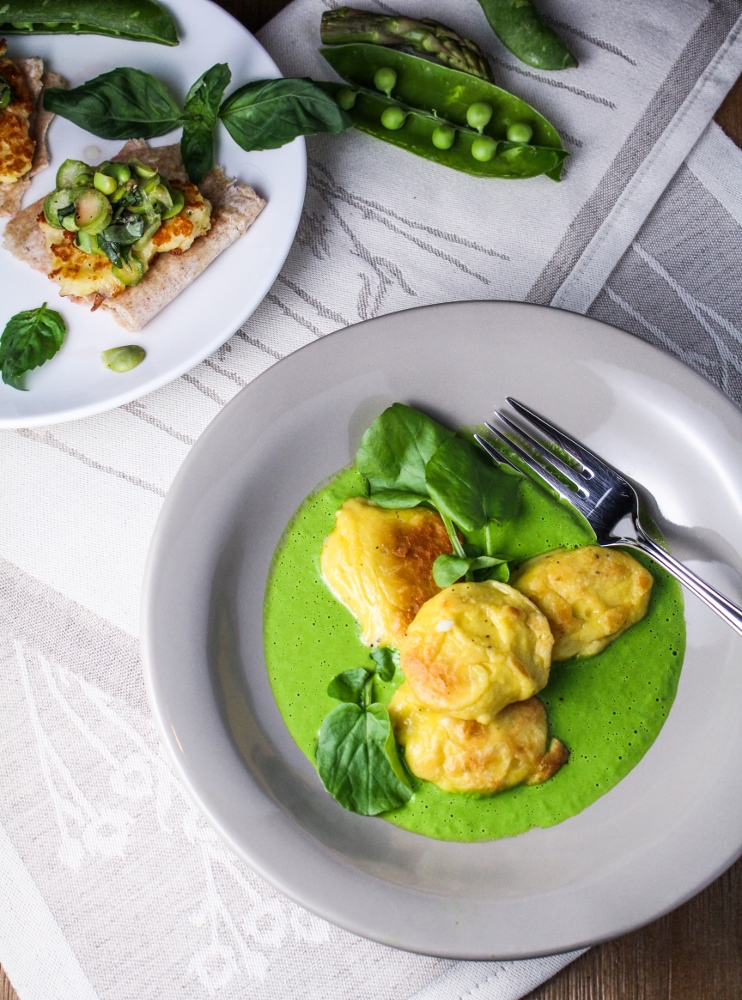
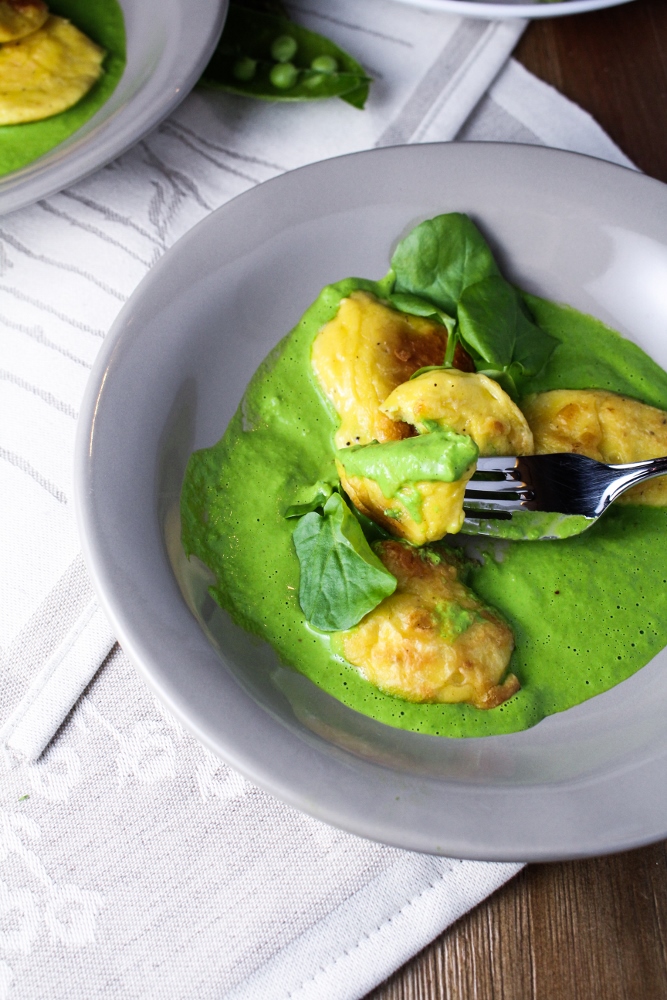
Springtime Sunday Dinner: French Gnocchi with Watercress Sauce {Katie at the Kitchen Door}

It’s been ages since my last Sunday Dinner post. Five months to be exact. I’ve had a blog-color-coded Google Calendar event called “Sunday Dinner!” that I’ve been dutifully dragging forward from Sunday to Sunday, month after month, until finally, it found its resting place last week. Since we had just gotten back from two completely cooking-free weeks, I was fired up to be back in the kitchen, and looking ahead at the busyness of April, it didn’t seem like there would be another chance to do a Sunday Dinner for a while, so I went all out. Although it is decidedly still wintery in Boston, the fava beans, English peas, asparagus, and strawberries that are being flown in from California were too tempting to pass up, so I pretended that I lived somewhere where it was spring and bought a little bit of everything.

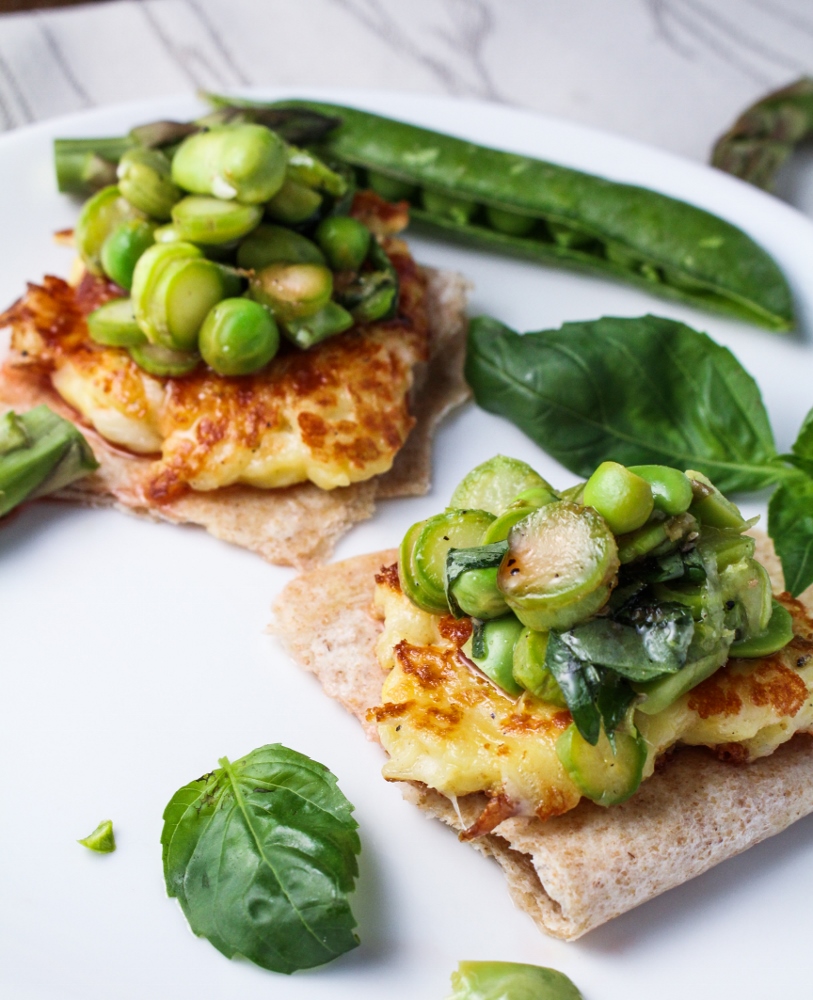
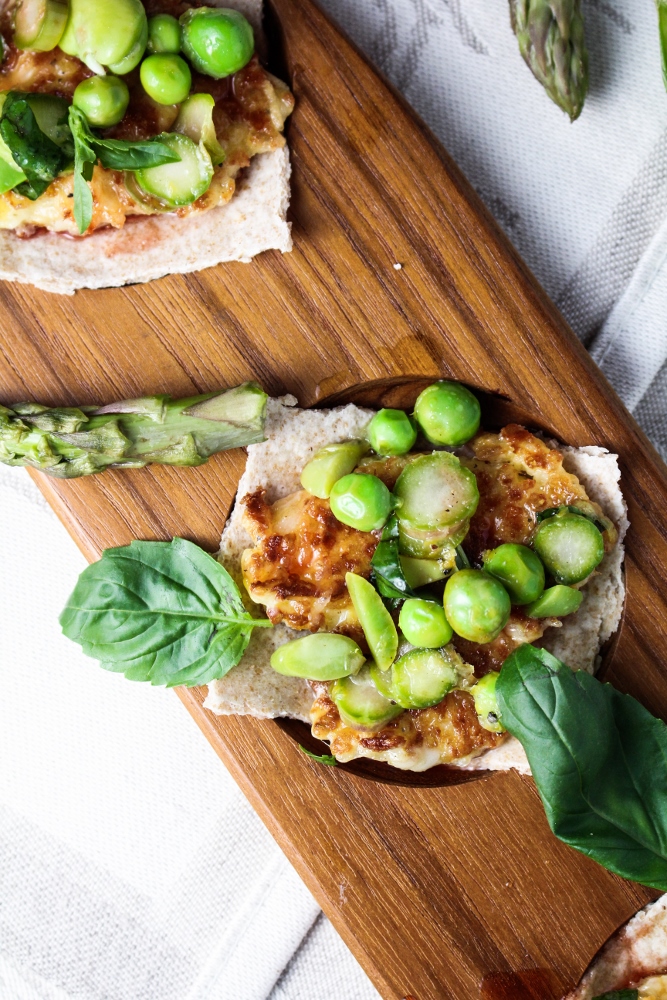
Springtime Sunday Dinner: Fried Halloumi with Spring Veggies and Strawberry-Basil Gastrique {Katie at the Kitchen Door}

I haven’t cooked from Girl in the Kitchen in a while, so I decided to make it the theme of this dinner. Stephanie Izard is a wonderfully creative cook, and I’ve made some great spring recipes from her in the past (like this Asparagus Pasta with Almond-Parmesan Crumble and a Poached Rhubarb and Goat Cheese Salad). This time, I chose to make the Fried Halloumi with Spring Veggies and Strawberry-Basil Gastrique as an appetizer, followed by French Gnocchi with Watercress Sauce as a main. Fried halloumi is something I’ve been wanting to try for a while, but the warm and gooey cheese ended up playing second fiddle to its toppings. The lightly dressed mixture of favas, peas, raw asparagus, and basil was fresh and lemony and very spring-like, and I would make just this component again to serve on its own, or perhaps to mix with couscous or scrambled eggs. The strawberry-basil gastrique was the polar opposite of the veggies – thicky, syrupy, sweet, and intense, paired with the fresh-tasting vegetables and the warm and mild cheese it was quite the flavor combination. The only challenge was finding an elegant way to eat them, as they’re not quite finger food but not really large enough for a fork and knife.

Springtime Sunday Dinner: French Gnocchi with Watercress Sauce {Katie at the Kitchen Door}


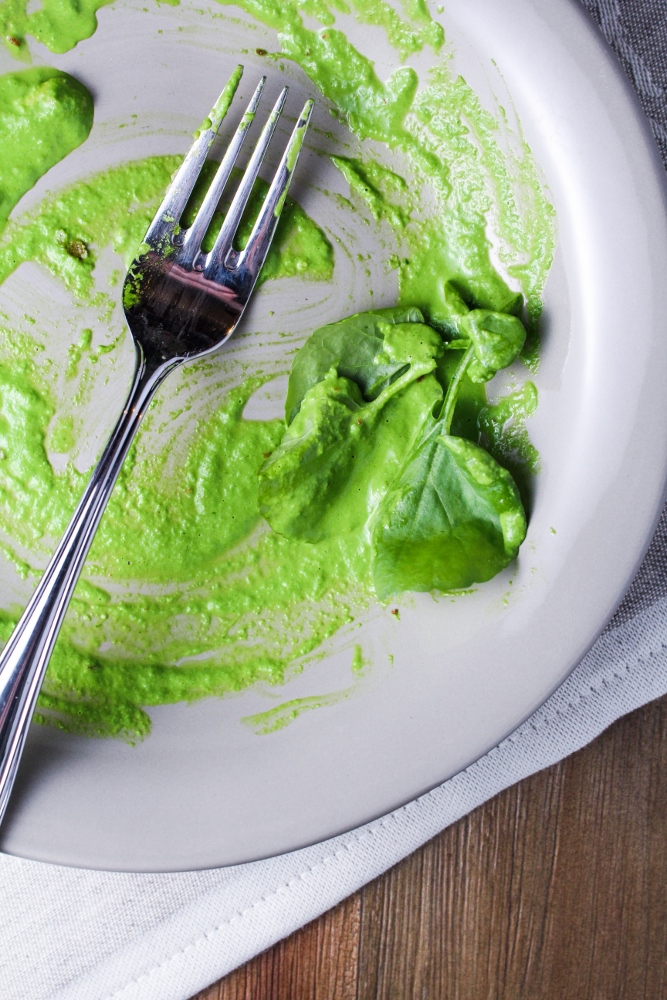
On to course two: we’ve made gnocchi a lot of different ways. We’ve made the traditional potato version (served with Argentinean-style beef short ribs), we’ve made sweet potato gnocchi, we’ve made ricotta gnocchi with corn and mushrooms (one of my all-time favorite recipes), and now, we’ve made “French” gnocchi. In the intro to this recipe, Stephanie explains that you can make a type of gnocchi by making a classic pate a choux dough, piping it into gnocchi-sized rounds, freezing them, and then cooking them still frozen. I was intrigued by this idea, as it’s quite different than traditional gnocchi recipes I’ve seen, so I decided to give it a try. Ten eggs and a stick of butter went into the dough, so I had high hopes for its flavor, but in the end, I was kind of disappointed. While it’s an interesting technique, my “gnocchi” spread out to the point that they looked more like little pancakes, and they kind of tasted like pancakes too. The simple watercress sauce they were served in was a beautiful color, but mostly just tasted like butter, in a sort of overwhelming way. I’m still sharing the recipe, as it has its strong points, but I wanted to give you my honest take on it, first.

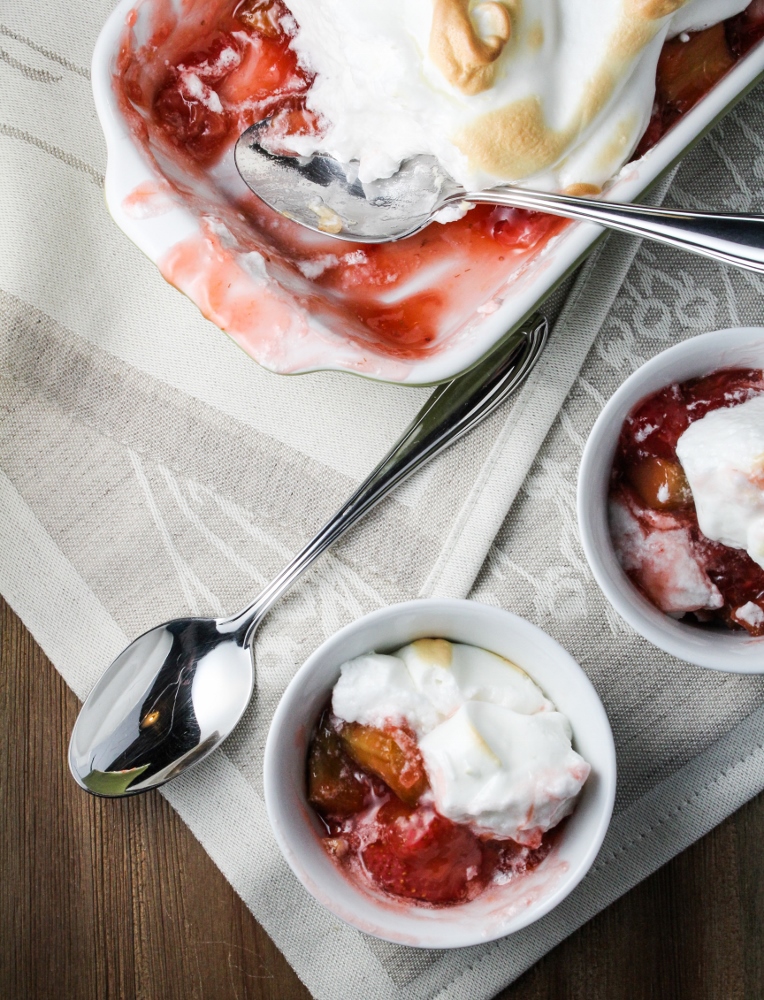
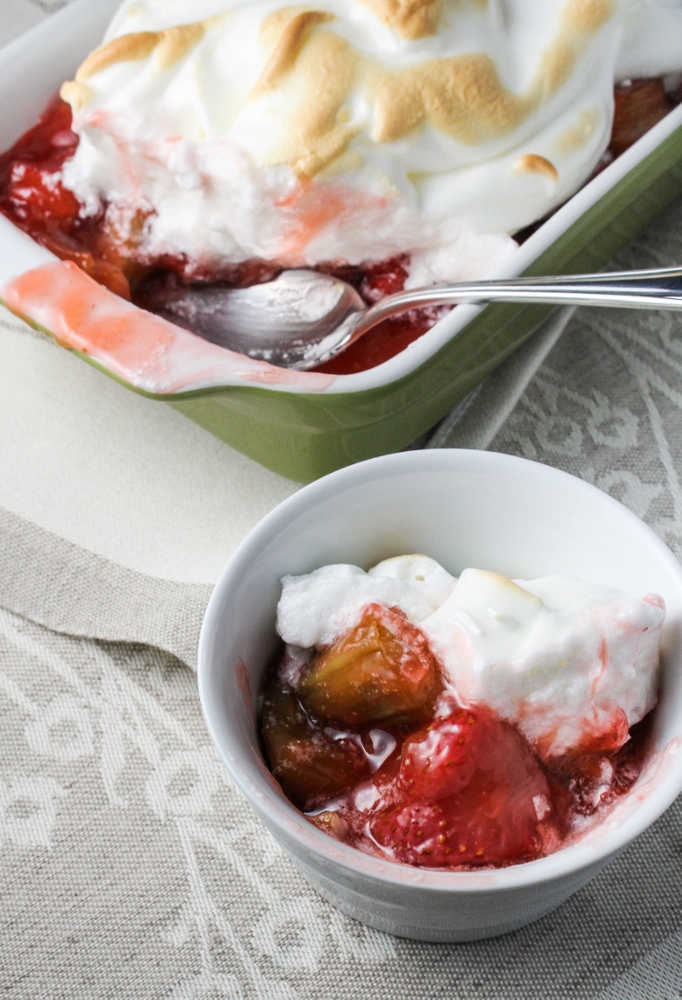
As for dessert, I knew we would want something light after all that butter, and I wanted to use up at least a few of the 10 egg whites I had leftover from making the gnocchi. We also still have several pounds of rhubarb in our freezer from last spring, so it was high time that some of that got used up. With those constraints, I whipped up a sort of crustless strawberry-rhubarb meringue pie, baked in a casserole dish like a crisp or a crumble, and it ended up being my favorite course. I used a fair bit of cornstarch in the filling to make sure that the dessert would be semi-spoonable, then chilled it thoroughly before quickly broiling the meringue topping. With just a hint of vanilla, it was light, sweet, and just the right ending for a spring dinner.

Springtime Sunday Dinner: Strawberry-Rhubarb Meringue Pots {Katie at the Kitchen Door}

The Menu

Fried Halloumi with Spring Veggies and Strawberry-Basil Gastrique – see recipe below
French Gnocchi with Watercress Sauce – see recipe below
Strawberry-Rhubarb Meringue Pots – see recipe below

Past Sunday Dinners:

May 26, 2013: Coffee-and-Chile Rubbed Strip Steaks with Chimichurri Sauce; Charred and Smoky Belgian Endives; Oven-Roasted Potatoes; Strawberry-Sour Cream Ice Cream

July 1, 2013: Strawberry-Lime Agua Fresca; Smashed Pea, Dill, and Feta Crostini; Chilled Asparagus Soup with Meyer Lemon Yogurt; Mustard Spaetzle with Mushrooms; Ricotta Bavarese with Red-Wine Poached Rhubarb

October 28, 2013: Braised Lamb Shanks with Gremolata; Creamy Polenta with Fresh Corn and Blue Cheese; Roasted Brussels Sprouts; Classic Apple Pie

Like what you just read? Subscribe to Katie at the Kitchen Door on Feedly or Bloglovin’, or follow along on Facebook, Twitter, Pinterest, and Instagram. Thanks for reading!

Springtime Sunday Dinner: Fried Halloumi with Spring Veggies and Strawberry-Basil Gastrique {Katie at the Kitchen Door}

Fried Halloumi with Spring Veggies and Strawberry-Basil Gastrique

Adapted from Girl in the Kitchen. Serves 4-6 as an appetizer.

For the Strawberry-Basil Gastrique:

  • 1 c. white balsamic vinegar
  • 1 c. sliced fresh strawberries
  • 1/4 c. packed fresh basil leaves
  • 1/4 c. sugar
  • 1/4 c. fresh lemon juice
  1. Add the vinegar, strawberries, basil, sugar, and lemon juice to a small saucepan. Bring to a boil and then immediately reduce heat (keep an eye on it to prevent it from boiling over). Simmer to reduce the liquid by half, which should take 25-35 minutes. Strain, discard the solids, and allow the liquid to cool.

For the veggies and cheese:

  • 3/4 c. shelled fresh fava beans
  • 1/2 c. shelled English peas
  • 4 spears of fresh asparagus
  • 5 fresh basil leaves, chiffonaded
  • 1 lemon
  • 2 TBS olive oil
  • salt and pepper to taste
  • 1 1/2 c. shredded halloumi or oaxaca cheese
  • 1 large egg, lightly beaten
  • 2 TBS flour
  • 2 TBS canola oil
  • 1 or 2 pieces of lavash, torn into bite-sized pieces (10 to 12 pieces needed)
  1. Bring a small pot of salted water to a boil. Add the fava beans and English peas and boil just until bright green, about 2-3 minutes. Drain the beans and peas and plunge in ice water to cool. Pop the fava beans out of their paler shell by slitting with your thumb and pressing on the other end.
  2. Slice the asparagus into very thin rounds. Add the asparagus rounds, fava beans, peas, and basil to a small bowl. Zest and juice the lemon, adding both to the bowl with the vegetables. Add olive oil, and salt and pepper to taste. Stir to thoroughly mix, and set aside.
  3. Just before serving, stir together the shredded cheese, egg, flour, and salt and pepper to taste. Heat the canola oil in a large frying pan over medium-high heat. Place spoonfuls of the cheese mixture into the pan, forming small round pancakes, and pressing down lightly to compress the cheese. Cook until golden brown, about 1 minute on each side, then transfer to a paper towel. Repeat until all the cheese mixture is used up. Place the warm fried cheese on top of pieces of lavash, and top with a spoonful of the vegetables and a drizzle of the gastrique. Serve immediately.

Springtime Sunday Dinner: French Gnocchi with Watercress Sauce {Katie at the Kitchen Door}

French Gnocchi with Watercress Sauce

Adapted from Girl in the Kitchen. Serves 4.

  • 2 sticks (1 cup) of unsalted butter, divided
  • 1/2 c. milk
  • 1/2 tsp freshly ground black pepper
  • salt
  • 1/2 c. plus 2 TBS flour
  • 8 egg yolks
  • 2 whole eggs
  • 8 oz. fresh watercress, roots/stems removed
  • 1/4 tsp red pepper flakes
  1. Add 1 stick of butter, milk, pepper, and 1/2 tsp of salt to a small saucepan. Bring to a boil over medium heat, then add the flour and stir with a wooden spoon until the mixture pulls away from the sides of the pot. Cook for 30-60 seconds longer, still stirring, then remove from heat and continue stirring until the dough has cooled to room temperature.
  2. Beat in the egg yolks and eggs one at a time, mixing completely between additions. The dough should have the consistency of a tacky paste. If the dough seems runny, chill the dough in the fridge for 20-30 minutes before piping/forming the gnocchi.
  3. Line a baking sheet with parchment paper. Either use a pastry bag to pipe 1-inch dots of the dough onto the baking sheet, or use a tablespoon measure to scoop small rounds (I tried both and preferred scooping). Once the baking sheet is filled, freeze until gnocchi are solid, which should only take 10-15 minutes.
  4. When ready to serve, bring a large pot of salted water to a boil. Add the frozen gnocchi to the boiling water and cook them for about 4 minutes – they will float to the top when they are done. Remove them with a slotted spoon and transfer them to a large bowl.
  5. Add the watercress to the boiling pasta water and blanch until tender, about 2-3 minutes. In a small pot, melt 6 TBS of the remaining stick of butter. Add the melted butter to a blender, then use a slotted spoon or tongs to transfer the cooked watercress from the pot to the blender. Blend on high until smooth, then season with red pepper flakes and salt.
  6. Place the remaining 2 TBS of butter in a saute pan over medium-high heat. Add the gnocchi to the pan and saute until they are golden brown. Toss with the watercress sauce and serve.

Springtime Sunday Dinner: Strawberry-Rhubarb Meringue Pots {Katie at the Kitchen Door}

Strawberry-Rhubarb Meringue Pots

Serves 4.

  • 2 c. sliced rhubarb, in 1/2 inch pieces
  • 2 c. sliced strawberries
  • 3/4 c. plus 1/4 c. sugar, divided
  • 1/4 c. cornstarch
  • 3 egg whites
  1. Add rhubarb, strawberries, 3/4 c. of the sugar, and cornstarch to a small saucepan, and stir to combine. Bring to a boil over medium heat, then reduce heat and simmer, stirring occasionally, until mixture is very thick and fruit is broken down, about 10 minutes. Pour mixture into a small, oven proof casserole dish or ramekin. Refrigerate until chilled.
  2. Beat the egg whites on high until frothy, then add sugar and continue to beat until whites are stiff and shiny. Spread meringue over the top of the strawberry-rhubarb mixture with a spatula, forming peaks as you do. Preheat the broiler. Broil on high until meringue is just beginning to turn golden brown, about 5 minutes. Remove from oven and serve immediately.
A New Job // Classic Seven-Layer Bars

418 March 28, 2014 Dessert

A New Job // Classic Seven-Layer Bars

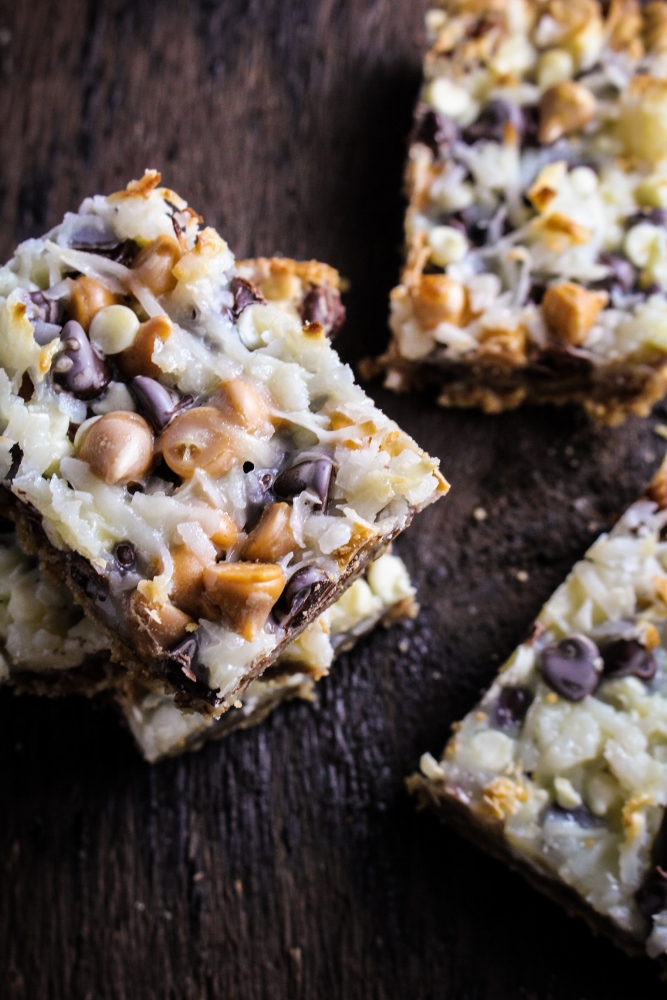
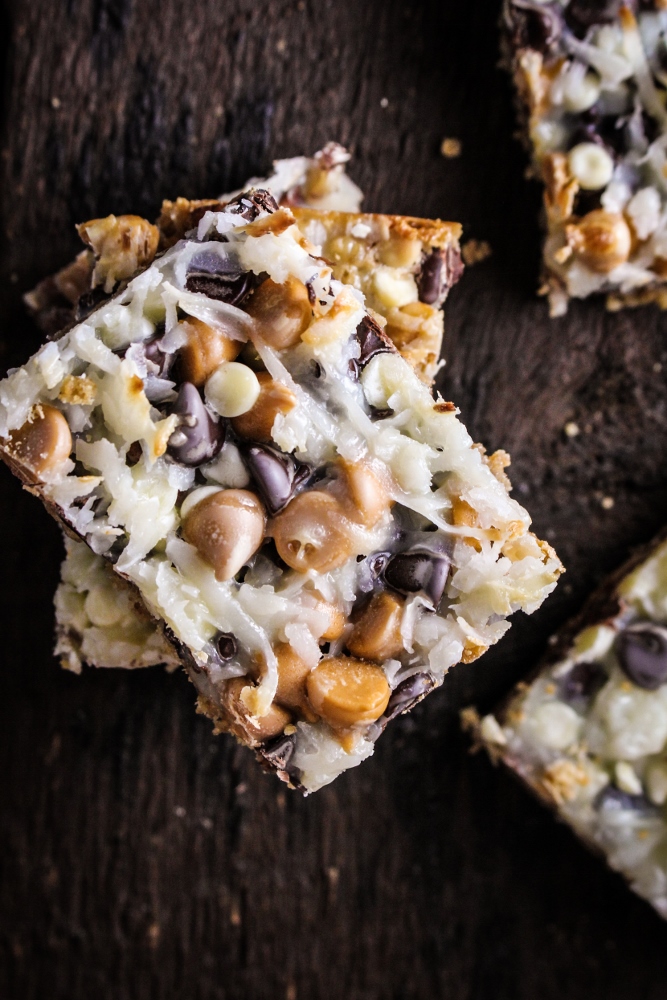
Classic Seven Layer Bars {Katie at the Kitchen Door}

Classic Seven Layer Bars {Katie at the Kitchen Door}

Today was my last day at my job! On Monday, I begin a new role – I’ll be in the same company, but I’m transferring to a project management role in our International business unit. I’ll be traveling a lot more (in fact, I’ll be on a plane to Hong Kong on my first day on the job), and working on some really neat projects with our teams around the world, with the side benefit of getting to tell you all about the awesome foods I get to try. I’m very excited about my new job, but the past few days have been bittersweet. This was my first job out of college, and I’ve had two and a half great years in the group that I’m leaving. I’ve learned a ton, developed so much more confidence in myself, and, maybe most importantly, met some really great people. When I was first looking for jobs, I didn’t realize the sheer volume of time you spend with your coworkers, and I consider myself lucky to have found myself in a group of smart, entertaining, and caring people who have become my close friends. I spent a good part of most days at work laughing with an intensity that I never expected to experience in a workplace, and I know I’m lucky to be able to say that. I’m certainly planning on maintaining my friendships with everyone, but it will be different not being there for the little day to day stories and jokes. So, thank you CS&R, for being awesome.

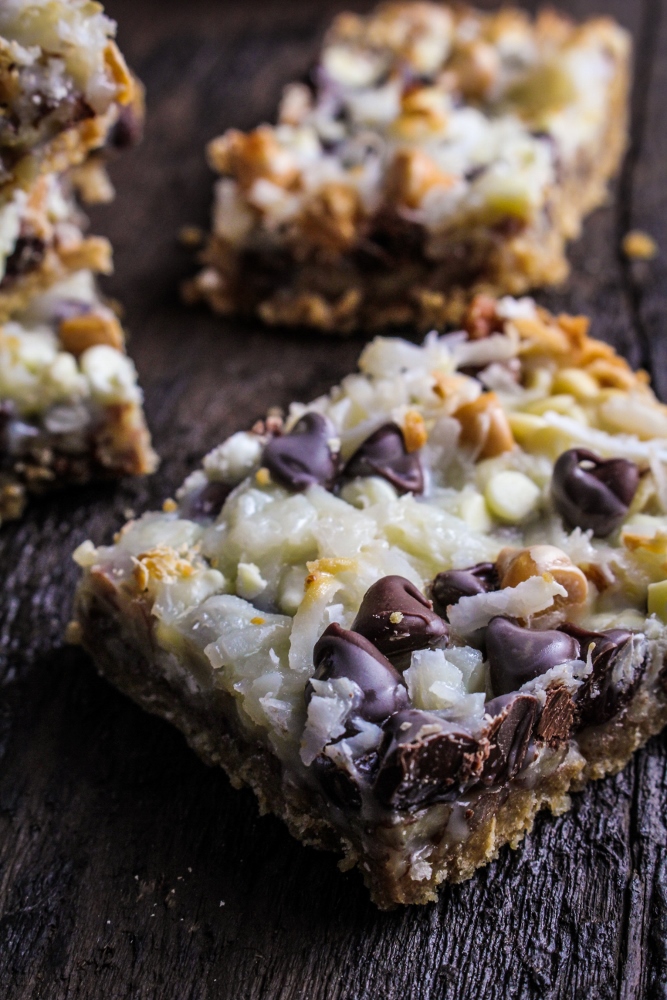
Classic Seven Layer Bars {Katie at the Kitchen Door}

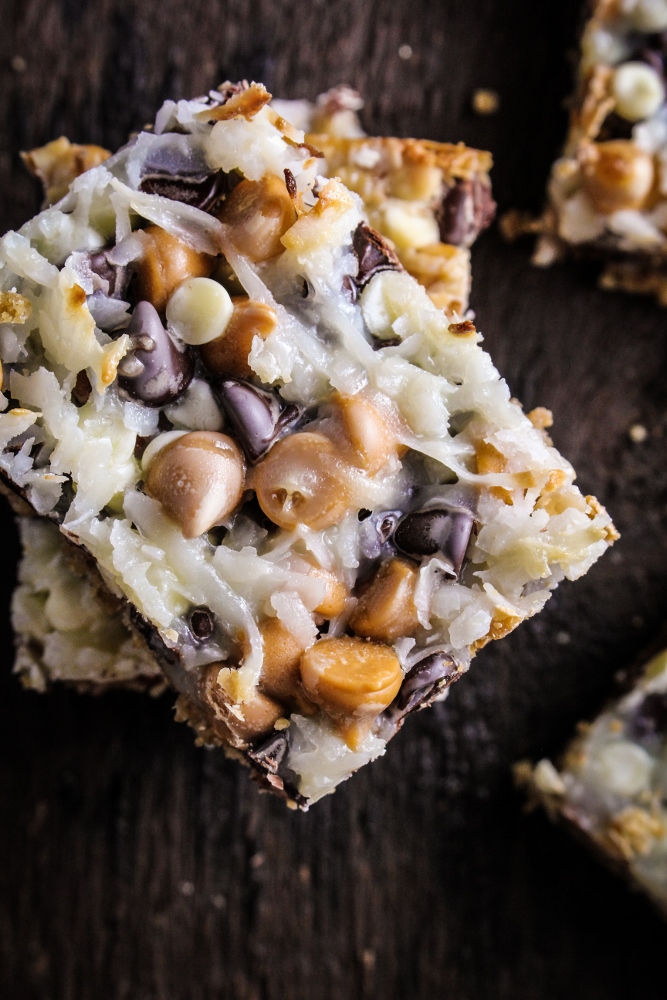
Classic Seven Layer Bars {Katie at the Kitchen Door}

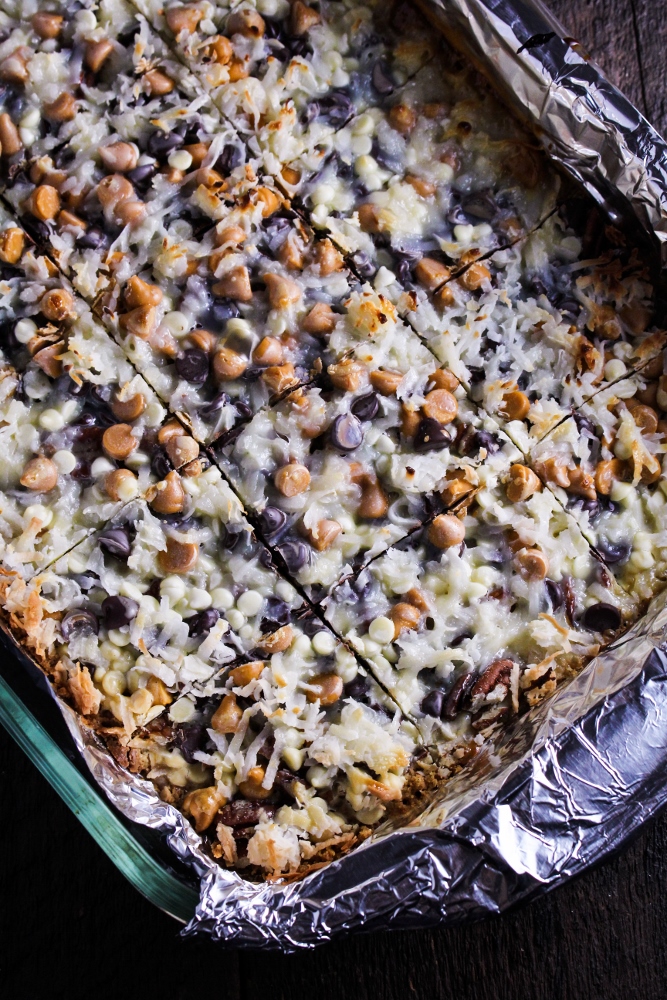
Although I’ve brought baked goods in to work once or twice, I have to admit that overall, I probably fell short of my coworkers’ expectations of having a food blogger around. So today, to celebrate my time in the group and make good on all my “yeah I’ll make those someday” promises, I brought in a batch of classic, gooey, super sweet seven layer bars. I considered going all fancy/homemade with these – you know, homemade cookie crust, a caramel drizzle, etc. – but in the end, what I really wanted was just the classic version, over-processed store bought ingredients and all. So that’s what I made, although it turns out that if you live in Cambridge, it’s pretty difficult/expensive to try and find things like sweetened coconut flakes, butterscotch chips, and sweetened condensed milk when Wholefoods has taken over the local grocery scene (typically a good thing, but not for something like this). Still, these are certainly worth making in my book, and hopefully my coworkers thought so too. Now I just have to start managing the baking expectations of my new coworkers.

Like what you just read? Subscribe to Katie at the Kitchen Door on Feedly or Bloglovin’, or follow along on Facebook, Twitter, Pinterest, and Instagram. Thanks for reading!

More like this…


Peppermint Bark Brownies

Peppermint Bark Brownies

Blackberry Cheesecake Bars

Blackberry Cheesecake Bars

Toffee-Coconut Crack Cookies

Toffee-Coconut Crack Cookies

Classic Seven Layer Bars {Katie at the Kitchen Door}

Classic Seven-Layer Bars

Adapted from Brown-Eyed Baker. Makes 18-24 bars.

  • 1 package of  graham crackers (8 or 9 whole crackers)
  • 1 stick butter (8 TBS) melted
  • 1 1/2 c. whole pecans, coarsely chopped
  • 1 c. semisweet chocolate chips
  • 3/4 c. white chocolate chips
  • 1/2 c. butterscotch chips
  • 1 c. sweetened coconut flakes
  • 1 (14 oz.) can sweetened condensed milk
  1. Preheat the oven to 350°F. Line a 9×13 inch baking pan with tinfoil so that the foil hangs slightly over the sides. Place graham crackers in a blender and pulse several times until crackers are finely ground. Pour into a bowl and add the melted butter, stirring to fully coat the crumbs with the butter. Spread the buttered crumbs into the bottom of the lined pan, pressing to create a thin and even layer.
  2. In order, sprinkle the chopped pecans, chocolate chips, white chocolate chips, butterscotch chips and coconut flakes evenly over the graham cracker crust. Spoon or pour the can of sweetened condensed milk evenly over the surface of the entire pan. Place in the preheated oven and bake until the top is golden brown, about 25-30 minutes. Cool in the pan on a wire rack for about two hours. Cover and store in the fridge.
Ecuador Travelogue: Quito

1 March 26, 2014 Travel

Ecuador Travelogue: Quito

Ecuador Travelogue: Quito {Katie at the Kitchen Door}

As I’ve mentioned a few times (or as you may have noticed from my Instagram pictures), we just got back from an awesome ten-day vacation in Ecuador. Trevor and I tagged along on my family’s spring break trip, and not doing any of the planning or trip prep myself was a welcome change, and meant that pretty much everything we did was totally new and surprising. We spent time in four different parts of the country: Quito, the Amazon, Baños, and Cotopaxi. I left my computer behind, but I took lots of old-fashioned notes (and pictures!) on everything we did, saw, and ate, so I’m putting together a four-part travelogue, both for my own memory, and in case any of you are considering your own trip to Ecuador. First up, Quito.

Quito Overview

Most flights from North America to Ecuador seem to land in Quito, and many of the most popular travel routes start and end in the country’s capital. If you’re headed to the beach, you can also fly in through Guayquil, further South, but we were staying mainly in the highlands so Quito was our first stop. The Quito airport is brand new, having opened only a year ago, and it’s very clean and modern, but it’s a long haul from downtown – our transfer to the hotel took a little over an hour (on the bright side, it only cost $35 for a van). Although we only spent two days there, Quito seems like a city on the up and up. While it’s definitely still on the gritty side, there are some beautiful areas and everyone we spoke with was very friendly. Tourists seemed to be few and far between, which is quite different from every other major capital city I’ve visited, but a little refreshing. Most guidebooks and travel websites that I read had extensive warnings on safety: we didn’t have any issues, but I did feel a little uncomfortable (and extremely blonde) walking around some parts of Old Town, which was probably both caused and relieved by the extremely visible armed police presence. I think with normal safety precautions, you’re perfectly safe, but it’s definitely a city where you should stay alert and do your best to blend in. At 9,000 feet and with plenty of hills, just walking around the city is a workout – bring good walking shoes and take it slow to avoid passing out in the main square like my baby brother (he’s fine). While we were there (March), the weather was fairly cool and gray – jeans and a sweater were most appropriate during the day, although when the sun did show it’s face it was wonderfully warm.

Ecuador Travelogue: Quito - Hotel Casa Gardenia {Katie at the Kitchen Door}

Ecuador Travelogue: Quito - Hotel Casa Gardenia {Katie at the Kitchen Door}

Ecuador Travelogue: Quito - Hotel Casa Gardenia {Katie at the Kitchen Door}

Hotel Casa Gardenia

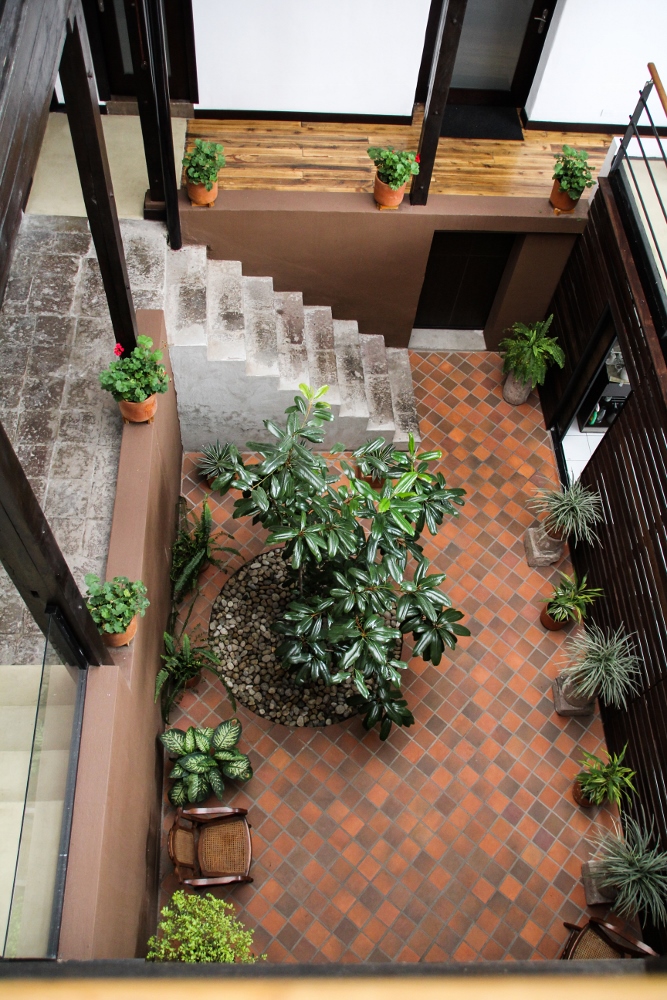
Kudos to my mom for finding the Hotel Casa Gardenia. Just up the hill from the historic center of Old Town, I think this little hotel was my favorite part about the city. Located in a historic house, it’s been completely remodeled by a graphic designer, and the result is a beautiful, modern, and unique boutique hotel. There are only seven rooms, spread out across three floors and connected by a central courtyard. Collectively, my family stayed in four of the seven rooms so we can vouch that they are all comfortable and well-designed. Rooms on the second floor seem to be the best as far as noise levels go – on the first floor the rooms are right by the breakfast area so it’s loud in the morning, and on the third floor city noise comes up through the windows – but we all slept well regardless of where we were in the building. There are comfortable common spaces on all three floors with beautiful panoramic views of Quito, and we made good use of them – two nights we had dinner and wine on the couches on the third floor, and during an afternoon rainstorm, Trevor and I snuggled up with a cup of tea on the second floor and watched the clouds move over the city. The hotel is small enough that the common spaces feel like an extension of the rooms, and I loved how welcoming they were. Everyone on the staff was lovely – friendly, accommodating, and helpful. We were especially grateful to be able to use the kitchen’s fridge and microwave to store/reheat our leftovers from dinner. Breakfasts were delicious and satisfying, with gorgeous freshly blended juices, made-to-order eggs, and lots of breads, pastries, and fruits. I would go back in a heartbeat.
Ecuador Travelogue: Quito - National Basilica {Katie at the Kitchen Door}

Ecuador Travelogue: Quito - National Basilica {Katie at the Kitchen Door}

National Basilica

We spent the whole morning of our first day exploring the Basilica del Voto Nacional, a neo-Gothic cathedral that has been under construction for over a century (and is still not quite finished). While I usually have a short attention span for churches, I had so much fun climbing around this one. Entry to the interior costs $1, and this part of the church is a little boring if you’ve been to many cathedrals, although the stained glass is extremely vibrant and worth a peek. The real highlight was climbing up in the towers, which are found at the side entrance and can be accessed for $2. We spent a few hours climbing up the different belltowers, walking across the ceiling, taking pictures, and stopping in their little gift shop (where I got a great, super-warm hat for $5). There’s also a small cafe inside one of the towers, if you need a mocha to recharge after all the stairs. We didn’t try it but it had pretty picture windows and looked very cozy. Both parts of the cathedral were uncrowded and really pleasant to visit.

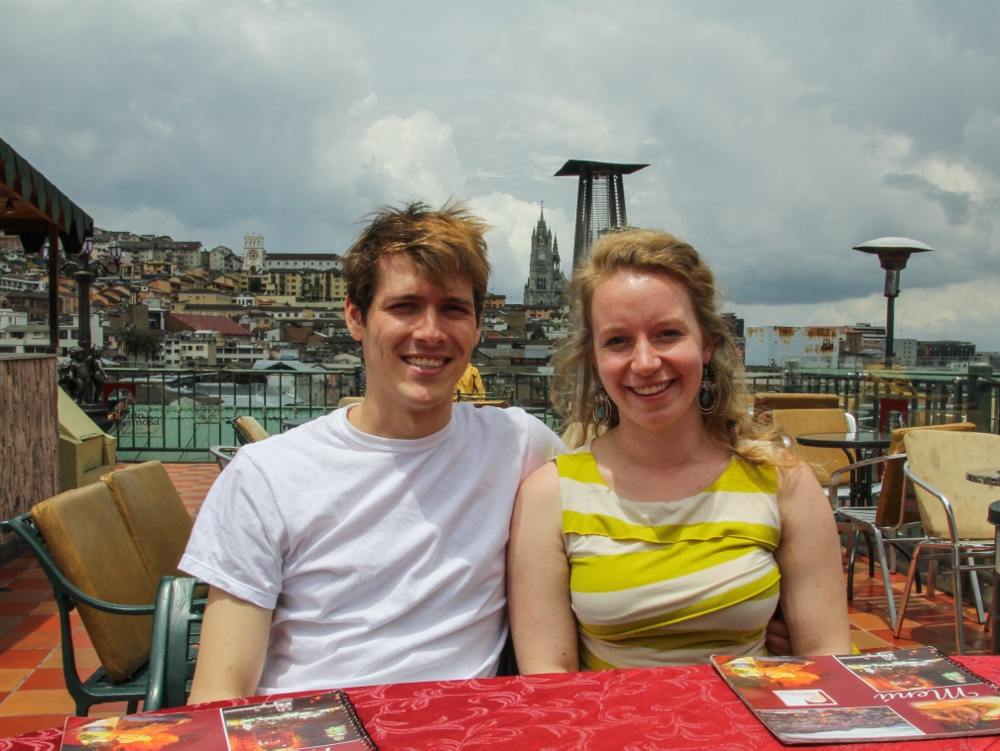
Ecuador Travelogue: Quito - Rooftop Lunch at Vista Hermosa {Katie at the Kitchen Door}

Lunch at Vista Hermosa

During a brief hour of sun on our first day we had lunch on the rooftop deck at Vista Hermosa. The food there is solidly average, and definitely a bit overpriced for the area,  but in my book a visit to the restaurant is still worth it on a sunny day for the gorgeous views (the best way to go might be to just order drinks and nachos). I tried seco de chivo, a local goat stew served with big chunks of potatoes and avocado, which was hearty and satisfying but not particularly inspiring. If I ever get back to Quito I’m going to try and find a more distinctive version.
Ecuador Travelogue: Quito - Plaza de la Independencia {Katie at the Kitchen Door}

Ecuador Travelogue: Quito - Doors of La Campania de Jesus {Katie at the Kitchen Door}

Wandering Old Town – Plaza de la Independencia, La Iglesia de la Compania de Jesus

The historic center of Quito was named a UNESCO World Heritage Site back in 1978, for being the best preserved city center in Latin America. We only went inside one building in this part of town – La Iglesia de la Compania de Jesus – a church with an interior that is covered entirely in gold leaf. It’s an impressive sight, but by this point we were all a little warn out from our wanderings that day, so we were in and out. We also wandered through Plaza de la Independencia right down the street, which has beautiful gardens and building facades, but was a little crowded for our taste. I think exploring this part of the city with a guide might be the way to go – I’m sure we would have enjoyed it much more if we were learning something on the way.

Takeout from Pizzeria El Hornero

I’ve never ordered takeout while traveling abroad before (unless you count room service, I suppose) – it has always seemed both overwhelming and like a waste of an opportunity to continue exploring my destination. That said, traveling can be exhausting, and having hot food delivered to your hotel’s door can be so nice after a busy day exploring. Plus, it turns out that local takeout can be just as interesting as venturing out to local restaurants. So although I was a little disappointed the first night when my parents ordered pizza from Pizzeria El Hornero, 10 days later when we were back in Quito I actually requested that we do it again. The pizzas are served with a super spicy salsa that makes the experience of eating them entirely different. I loved the tropical chicken pizza with this bright green sauce – it was one of the more memorable dishes of the trip for me. Plus, it was really nice sitting together in the third floor lounge of the hotel, eating casually and discussing our day in our pajamas. I might be a takeout convert.
Ecuador Travelogue: Quito - View of La Virgen from Museo de la Ciudad {Katie at the Kitchen Door}

Museo de la Ciudad

After 10 days exploring the jungle, highlands, and volcanos of Ecuador, we had one more day in Quito before our flight home. Everyone was kind of run down and mildly ill at this point, and not up for too much adventure. That last morning, we ventured out to the Museo de la Ciudad, and it was the perfect choice for a low key activity. The museum, which is housed in an old hospital, has a nice mix of art and history exhibits – we all wandered through separately, enjoying the life-size dioramas, artifacts, and paintings which were well arranged, and many of which were interactive. It was really cool to see exhibits of some of the traditional lifestyles after we had seen those lifestyles in person, and we were all pointing out the many objects, plants, and foods that we recognized from our trip. Walking through the courtyards is also pleasantly cool and quiet, a peaceful place right inside the city. Well worth the $3 entrance fee. On our way out, we stopped to check out the great views of the Virgin statue on nearby El Panecillo, and had lunch at the artsy, modern cafe right on the museum steps. Although like most restaurants there’s a traditional lunch offering (soup, chicken and rice, and a dessert) that’s very affordable, we all jumped at the chance to have sandwiches and coffee – after 10 days of traditional lunches, it was a nice change.

Souvenirs at Mercado Artesanal La Marisca

To fill the last few hours before our flight, Trevor and I decided to go out in search of some local art to bring home. We couldn’t find any parts of town which could be reasonably considered an art district, and the types of art being sold in some of the museums were out of our price range, so we wandered up to the Mercado Artesanal on the edge of New Town. It was the only time we crossed over into New Town, and I wish we’d spent more time there – it felt much more like a living city than Old Town, which made me feel a little claustrophobic and skittish at times. The market itself is arranged into covered rows of stalls, most of which are selling jewelry, woven products, chocolate, and trinkets, but there were a few stalls selling prints and paintings. We ended up taking home a big (like 3 feet long) original painting of Illinizas for $60 – our first real art! And despite the anxiety it caused me, I even managed to bring it home as a carry-on damage free. If you’re looking for a one-stop shop for souvenirs of all sorts, the Mercado Artesanal is worth a try – it doesn’t have the most unique or best priced goods, but it does have a large variety all in one place, and it’s fun to wander through.

More from our Ecuador adventures…

Ecuador Travelogue: The Amazon
Ecuador Travelogue: Baños
Ecuador Travelogue: Cotopaxi

13 Recipes for Looking Forward to Spring

0 March 21, 2014 Food

13 Recipes for Looking Forward to Spring

Happy spring, everyone! We’ve just arrived back in Boston from Ecuador, and I was really hoping that upon stepping off the plane, spring would have firmly arrived. Perhaps that was a bit foolish (although I did see a few daffodil sprouts and an encouraging amount of sunshine on my run yesterday), but after this seemingly eternal winter, maybe we all need to delude ourselves a little about how close the days of flowy skirts, white wine on the patio, and sun-kissed evenings really are. After months of heavy winter foods (which, admittedly, are deliciously comforting and indulgent), the fresh green salads, local strawberries, and tangy rhubarb desserts of April, May, and June are a welcome change. To switch my recipe-planning gears into spring mode, I’ve been going through my archives to look for favorites from past years, and thought maybe you needed a little inspiration, too. Below are 13 of my favorite spring recipes, featuring an abundance of strawberries, rhubarb, English peas, and asparagus. So here’s to looking forward to springtime!

Drinks

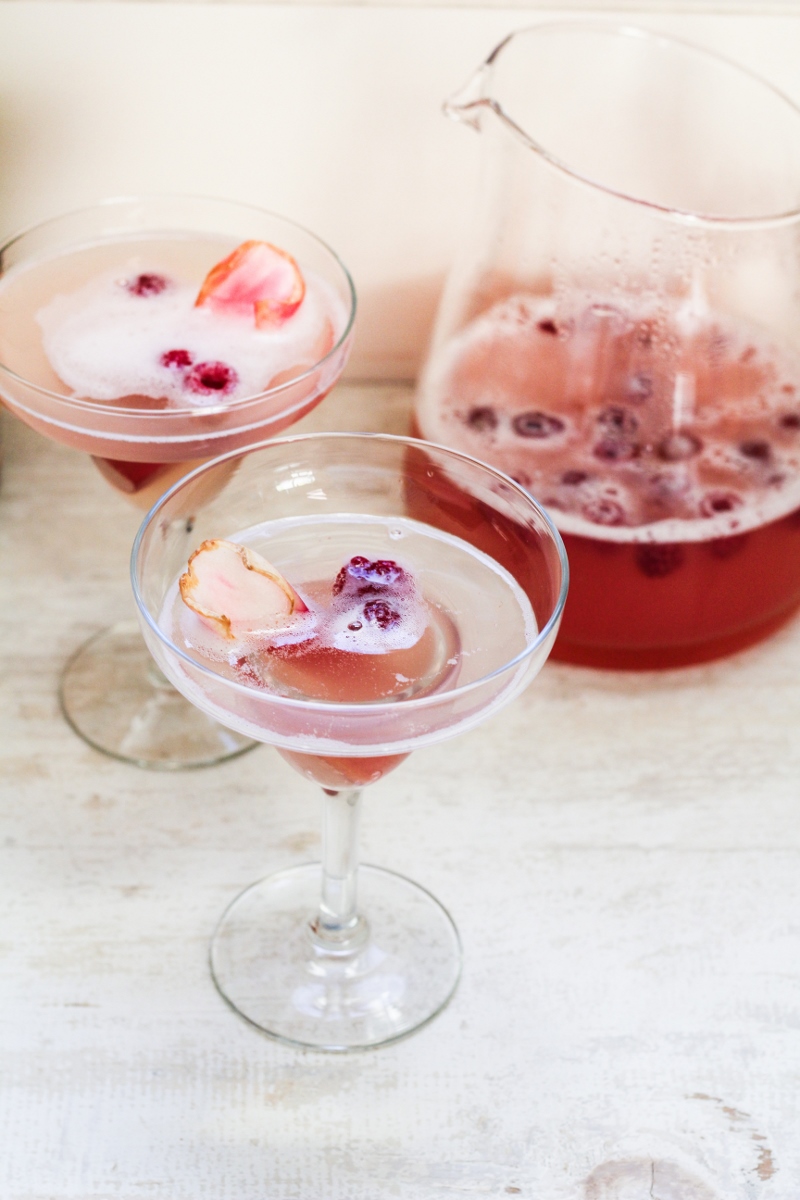
13 Spring Recipes - Rhubarb Prosecco Spritzer {Katie at the Kitchen Door}

Rhubarb Prosecco Spritzer

Rhubarb is one of the first plants to poke out of the ground, and its small pink buds are certainly a welcome sight. This cocktail celebrates the return of color to the earth with a simple rhubarb syrup and a splash of bubbly, a pretty pink drink for early spring.
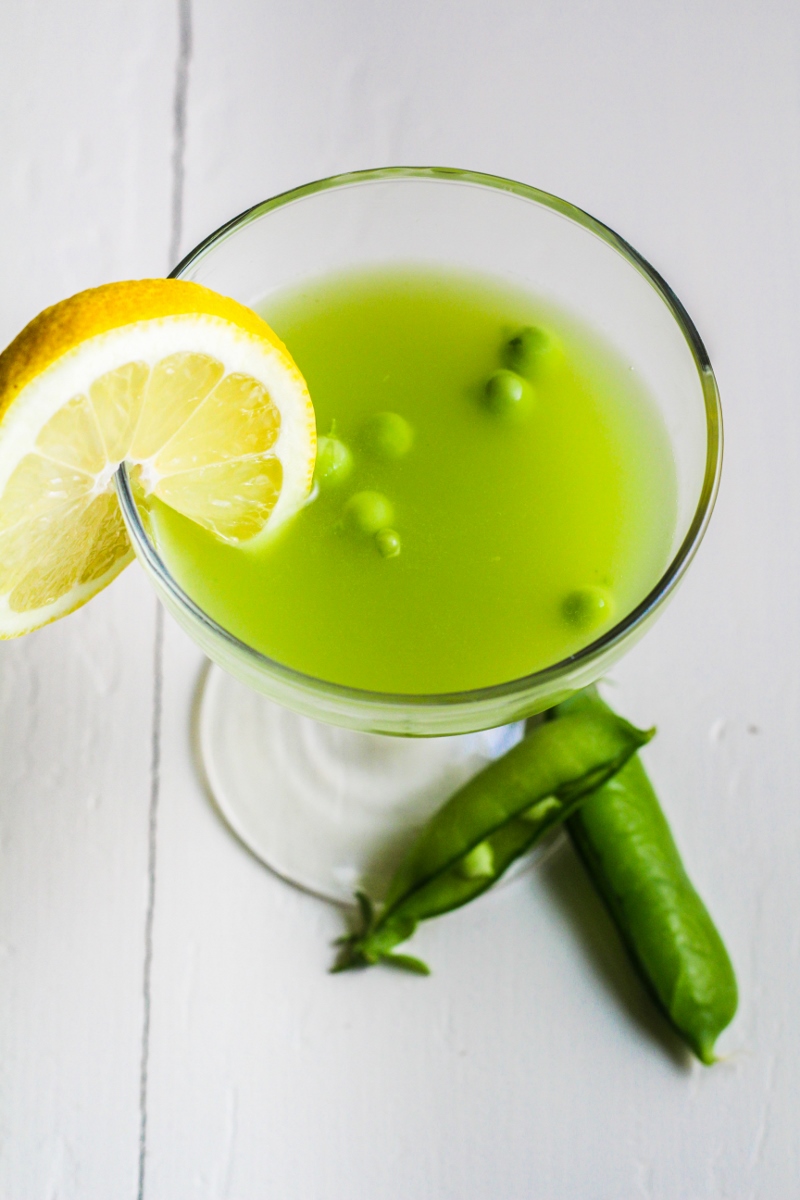
13 Recipes for Spring - Green Pea Rum Cooler {Katie at the Kitchen Door}

Green Pea Rum Cooler

A mix of fresh peas, cucumber, and tarragon muddled together with rum, this vibrant green cocktail is an unexpected departure from typical spring drinks. It’s vegetal yet still sweet, and great for mixing things up a little.
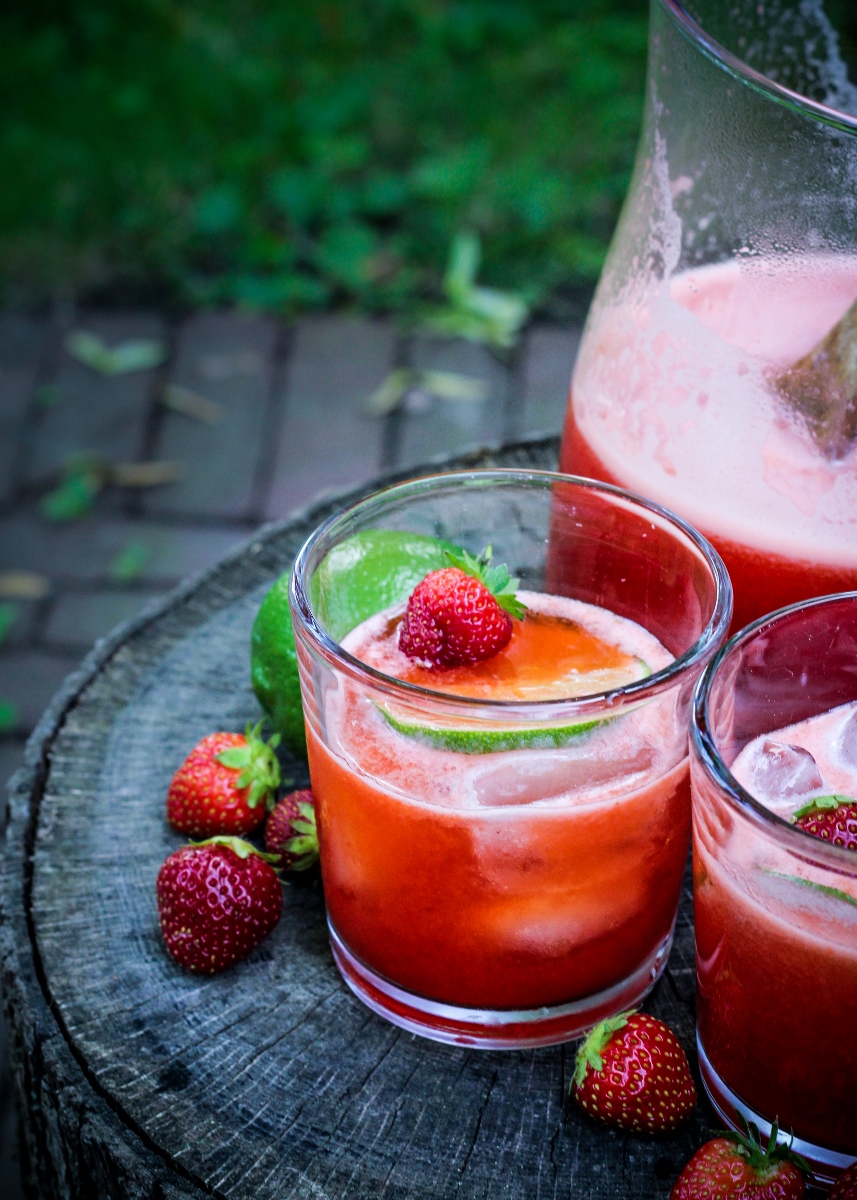
13 Recipes for Spring - Strawberry Lime Agua Fresca {Katie at the Kitchen Door}

Strawberry-Lime Agua Fresca

This non-acoholic drink is the ultimate refreshing drink for a hot day. When you see perfectly red, juicy sweet strawberries at the market, this is the thing to make with them. Sweet and citrusy, you’ll never go back to lemonade.

Salads and Mains

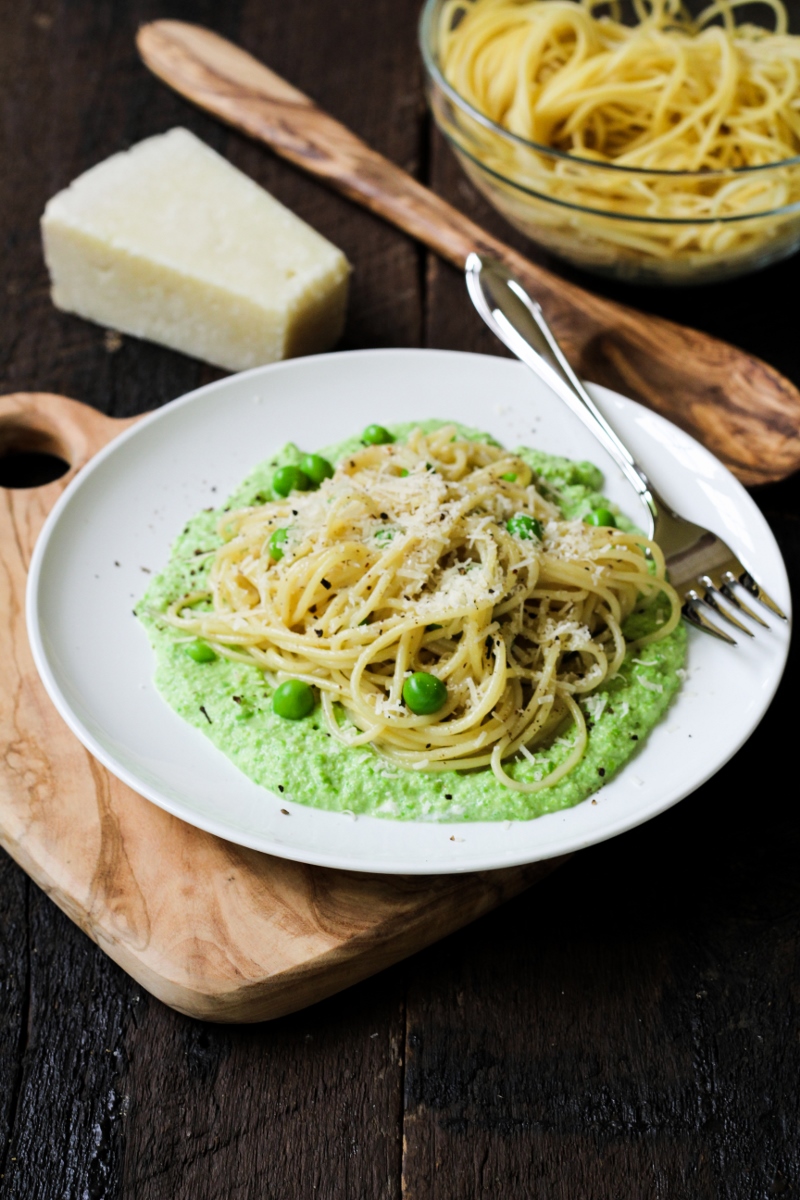
13 Recipes for Spring - Cacio e Pepe with English Peas {Katie at the Kitchen Door}

Cacio e Pepe with English Peas

This recipe was inspired by our trip to Italy last spring, where we had a wonderfully creative version of Cacio e Pepe served on a black bean puree at Il Santo Bevitore in Florence. Instead of black beans, we used fresh English peas to recreate the recipe and celebrate spring.

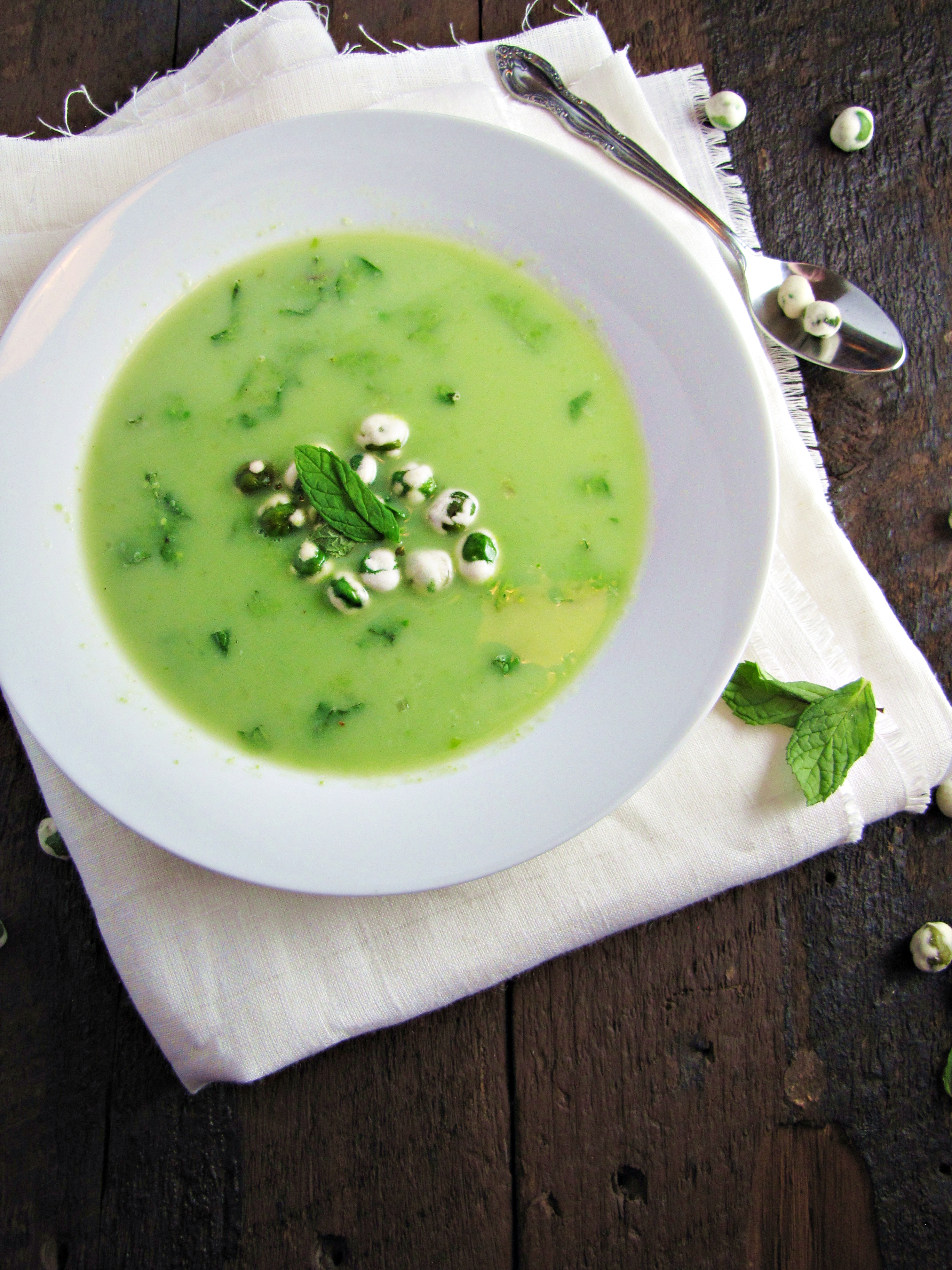
13 Recipes for Spring - Green Pea and Wasabi Soup {Katie at the Kitchen Door}

Green Pea and Wasabi Soup

A head-clearing recipe for early spring, this soup plays on the concept of wasabi peas, using fresh peas and wasabi to make the base and then topping the soup with the classic crunchy snack.

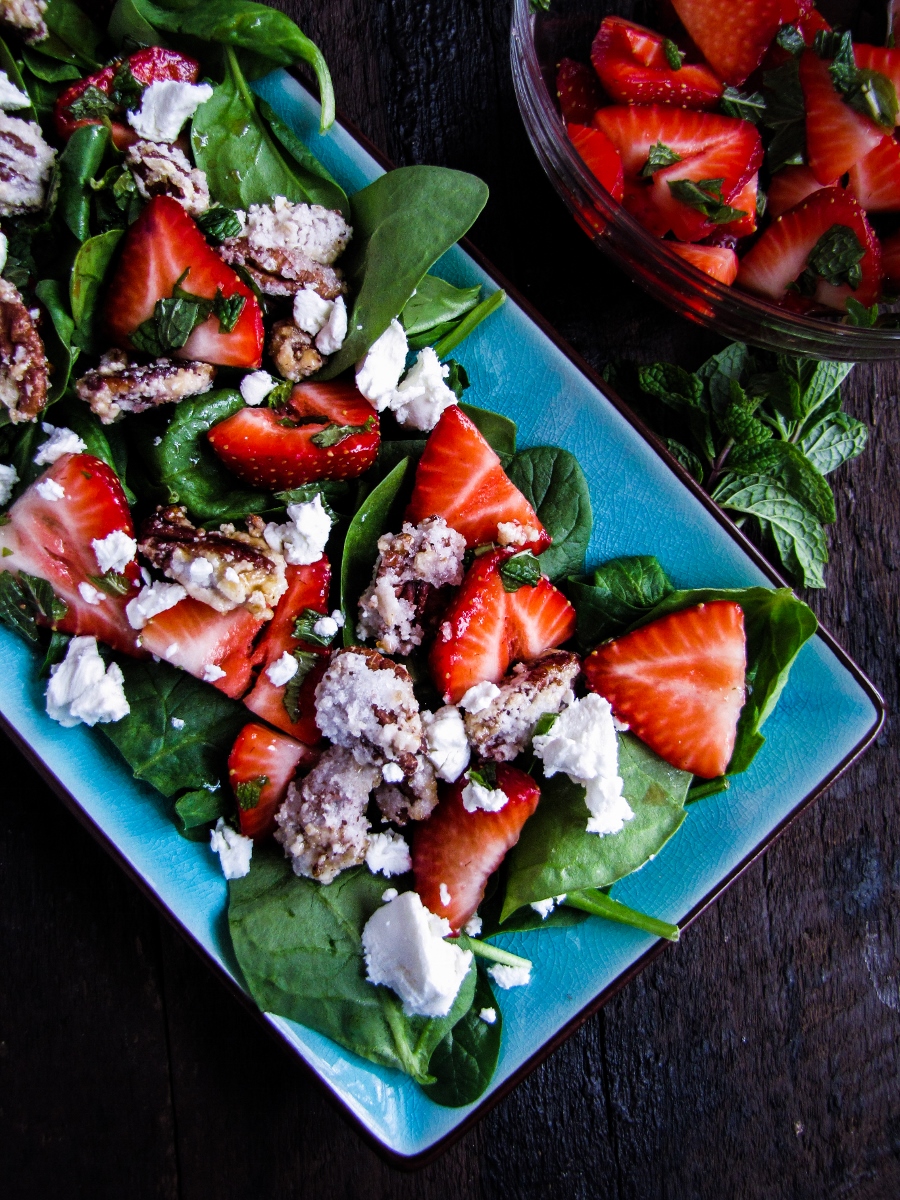
13 Recipes for Spring - Strawberry Balsamic Salad with Candied Pecans and Goat Cheese {Katie at the Kitchen Door}

Strawberry Balsamic Salad with Candied Pecans and Goat Cheese

This salad should almost be in the dessert section, with its super-sweet strawberries, crunchy sugared pecans, and creamy soft goat cheese. But, if you promise to eat all the spinach, too, I’ll let you count it as a healthy meal instead.

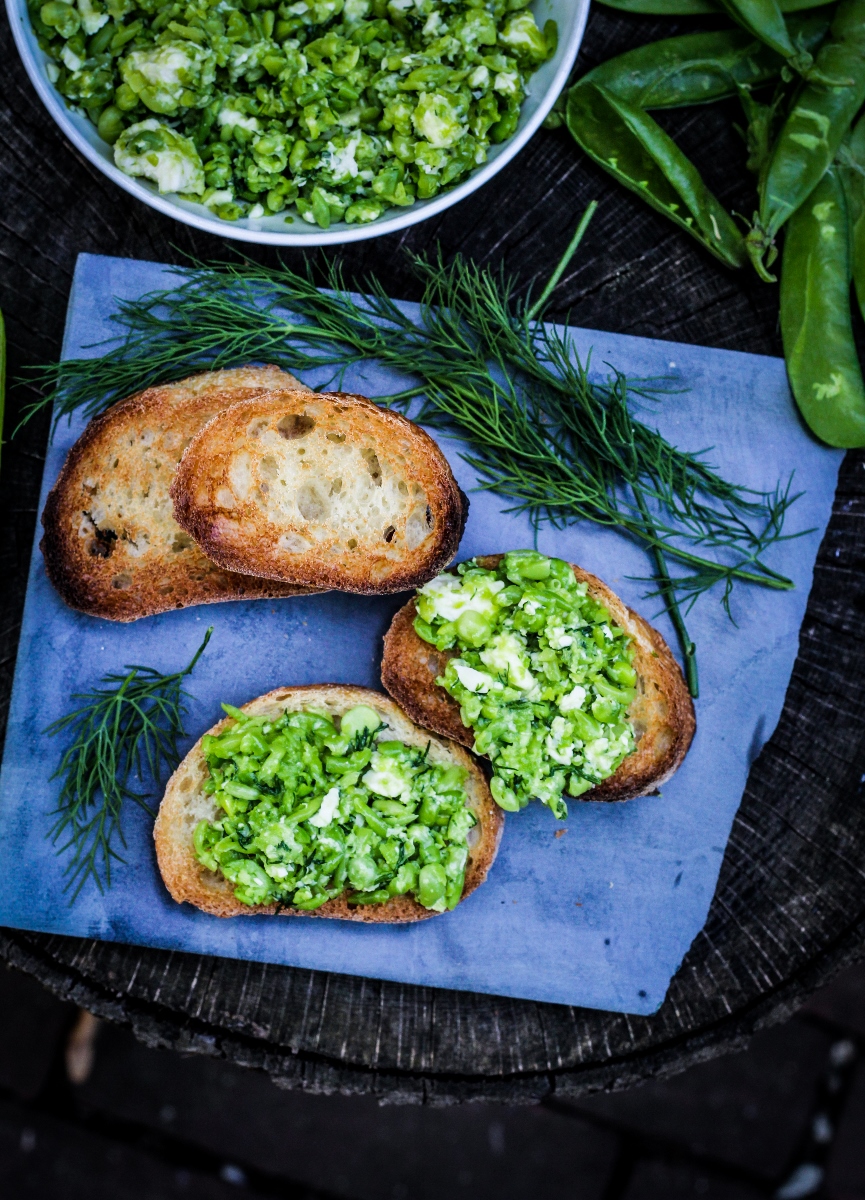
13 Recipes for Spring - Smashed Pea, Dill, and Feta Crostini {Katie at the Kitchen Door}

Smashed Pea, Dill, and Feta Crostini

These bright little appetizers are a little sweet, a little salty, a little lemony, and a little herbal. On a warm spring evening, you might find that these crostini and a glass of white wine make a perfect dinner all on their own.

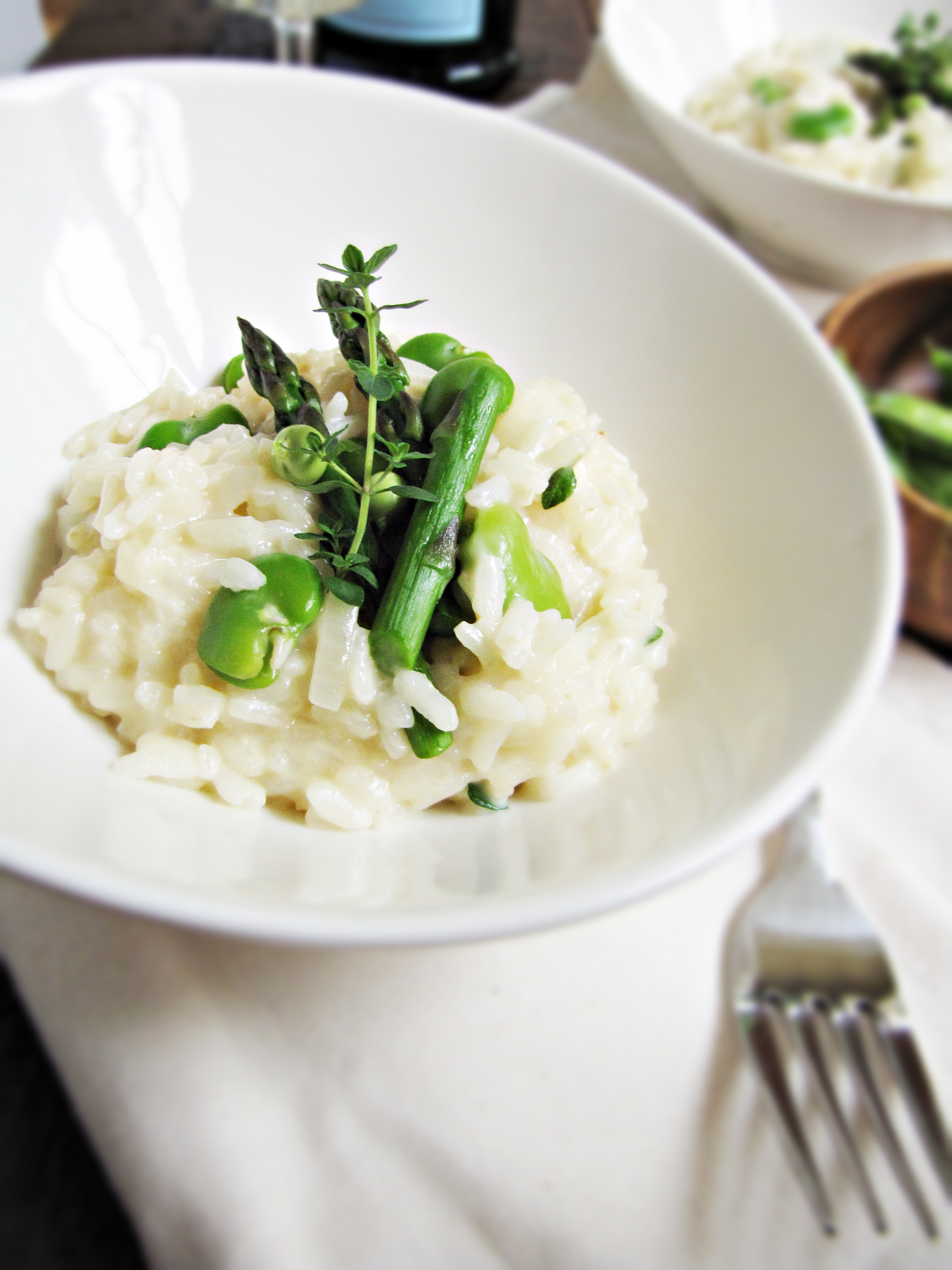
13 Recipes for Spring - Pea, Fava, and Asparagus Risotto {Katie at the Kitchen Door}

Pea, Fava Bean, and Asparagus Risotto

Come April and May, I start throwing English peas, fava beans, and asparagus into pretty much every recipe I make. So why not risotto too? The fresh bite of the green vegetables is a perfect counterpoint to the creamy richness of the mascarpone-laced rice.

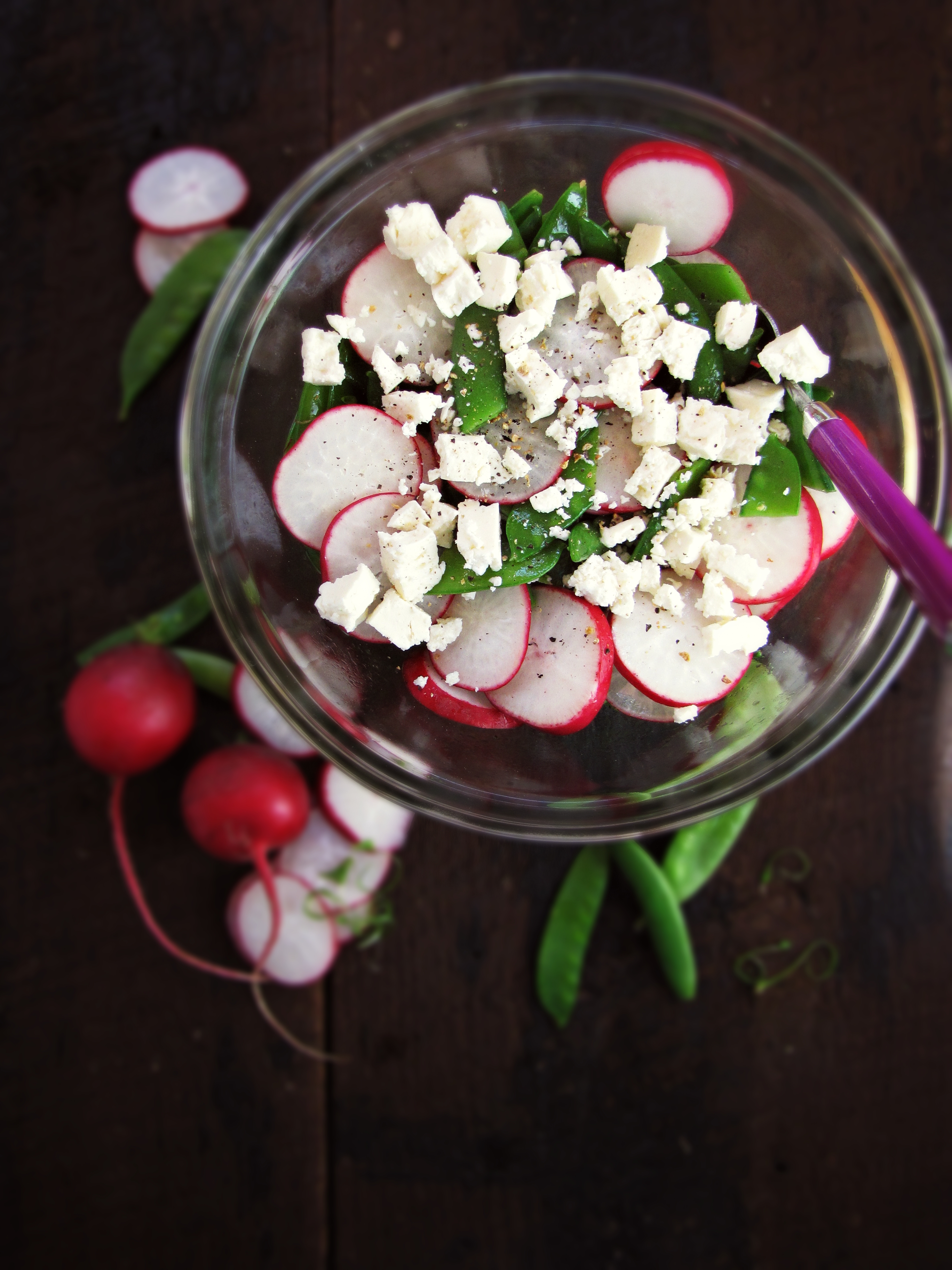
13 Recipes for Spring - Snap Pea and Radish Salad {Katie at the Kitchen Door}

Fresh Snap Pea and Radish Salad

This salad uses three quintessential spring ingredients – snap peas, radishes, and mint – to create a nutritious and light dish that’s packed with freshness and flavor.

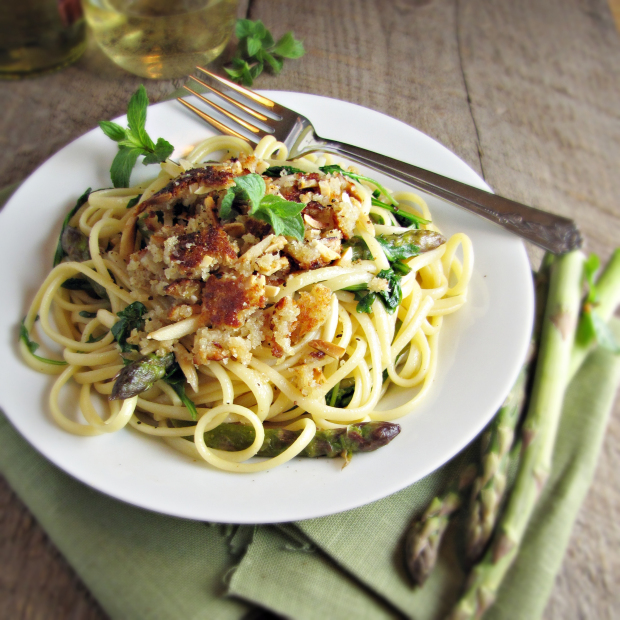
13 Recipes for Spring - Asparagus and Arugula Pasta with Almond Parmesan Crumble {Katie at the Kitchen Door}

Asparagus and Arugula Pasta with Almond Parmesan Crumble

You should be warned – if you make this recipe, you’ll become addicted to the almond parmesan crumble that goes on top. It’s the most delicious. The buttery sauteed asparagus and wilted arugula don’t hurt either.

Desserts

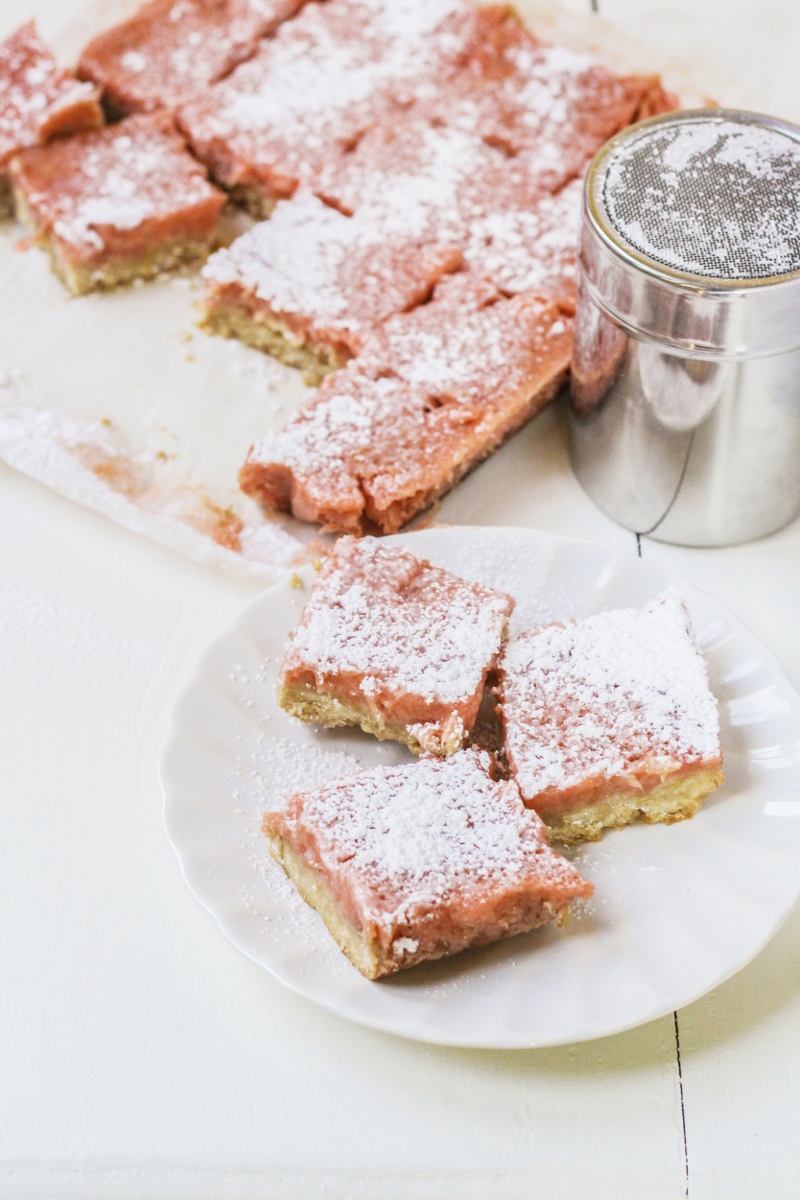
13 Recipes for Spring - Rhubarb-Ginger Bars {Katie at the Kitchen Door}

Rhubarb-Ginger Bars

These tangy bars are a favorite of mine – with a peppery, gingery shortbread crust topped with tart pink custard, they’re basically dressed up lemon squares. I think these might be first on my list for rhubarb season this year.

13 Recipes for Spring - Lilac and Blackberry Pavlova {Katie at the Kitchen Door}

Lilac and Blackberry Pavlovas

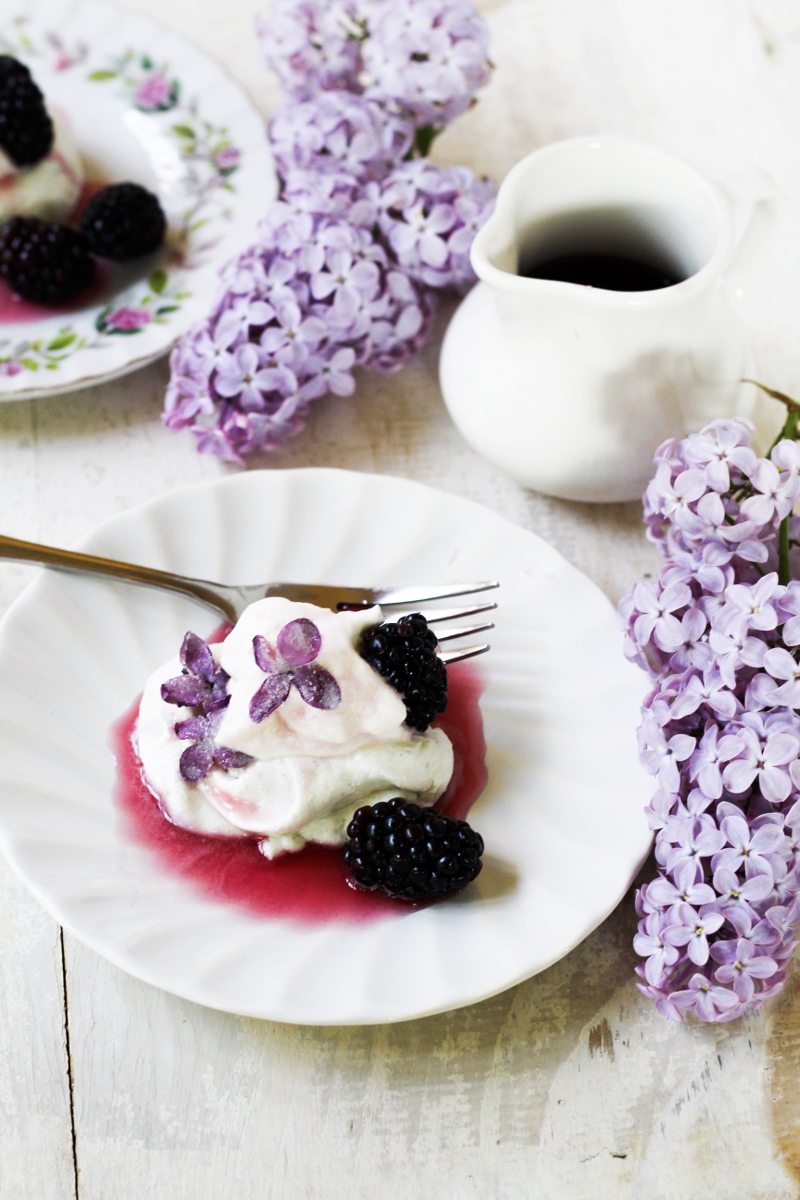
Did you know that lilacs are edible? While a bit painstaking to clean, infusing desserts with their delicate color and scent is totally worth it. These super light pavlovas with lilac blackberry syrup are a very elegant addition to the spring dessert table.

13 Recipes for Spring - Strawberry Almond Cream Tart {Katie at the Kitchen Door}

Strawberry Almond Cream Tart

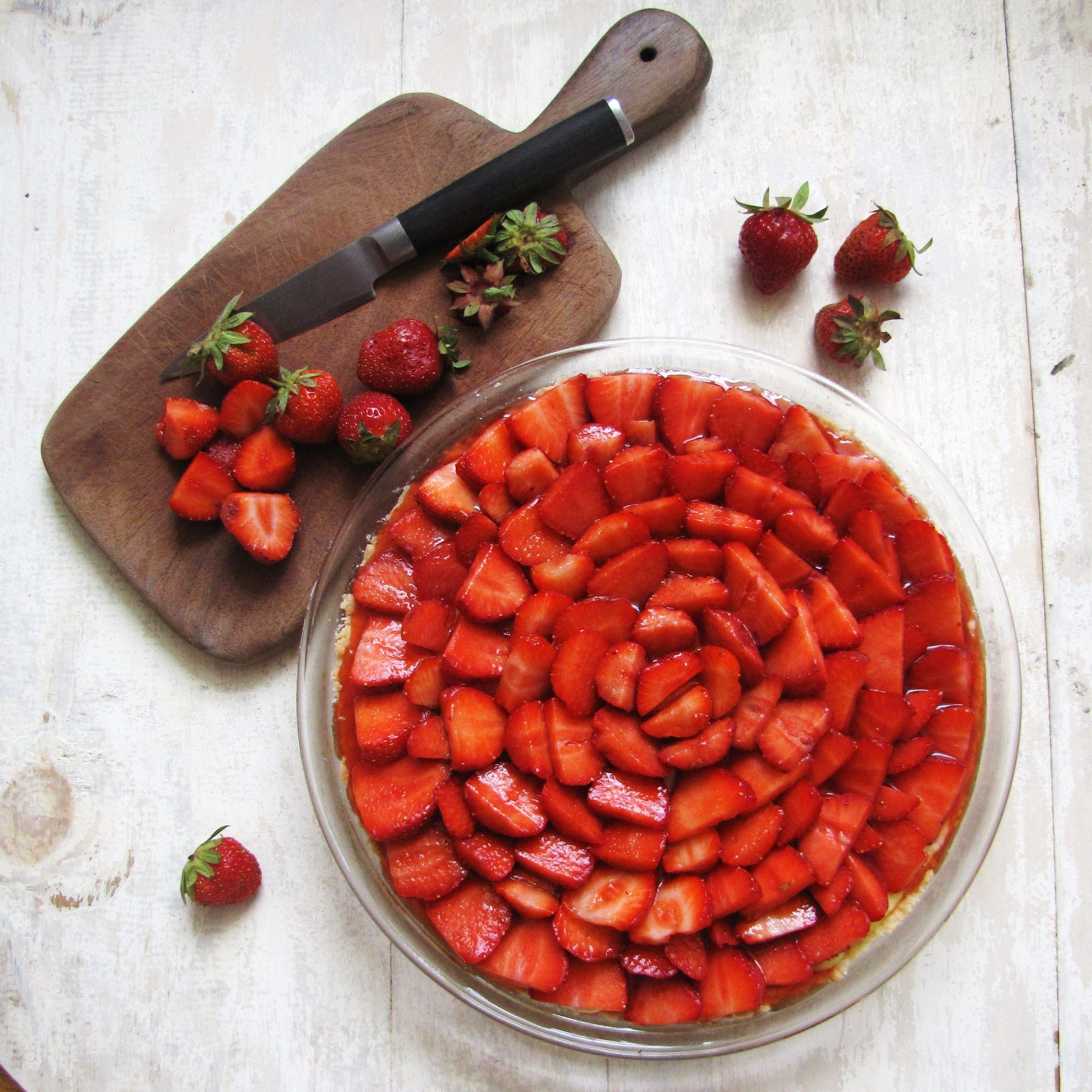
A very traditional pastry, strawberry cream tarts are always sure to please a crowd. They’re at their prettiest when made with those perfect market strawberries, the ones that don’t need any sugaring, mashing, or macerating to be tasty.

Another Garden Season // Parmesan Beans with Kale and Sausage

0 March 15, 2014 Food

Another Garden Season // Parmesan Beans with Kale and Sausage

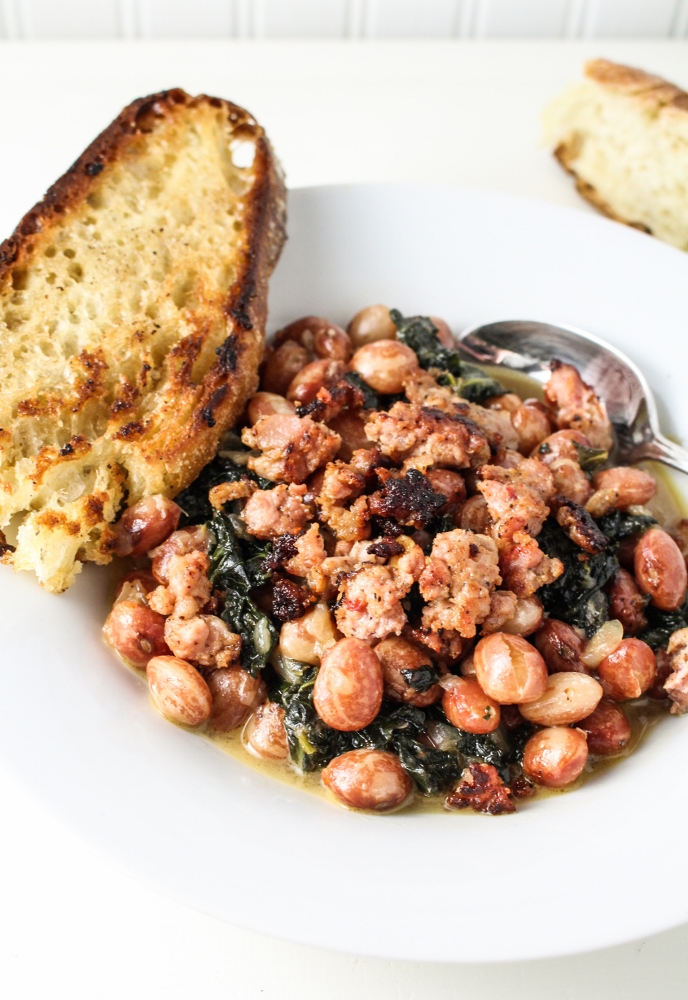
Parmesan Beans with Kale and Sausage {Katie at the Kitchen Door}

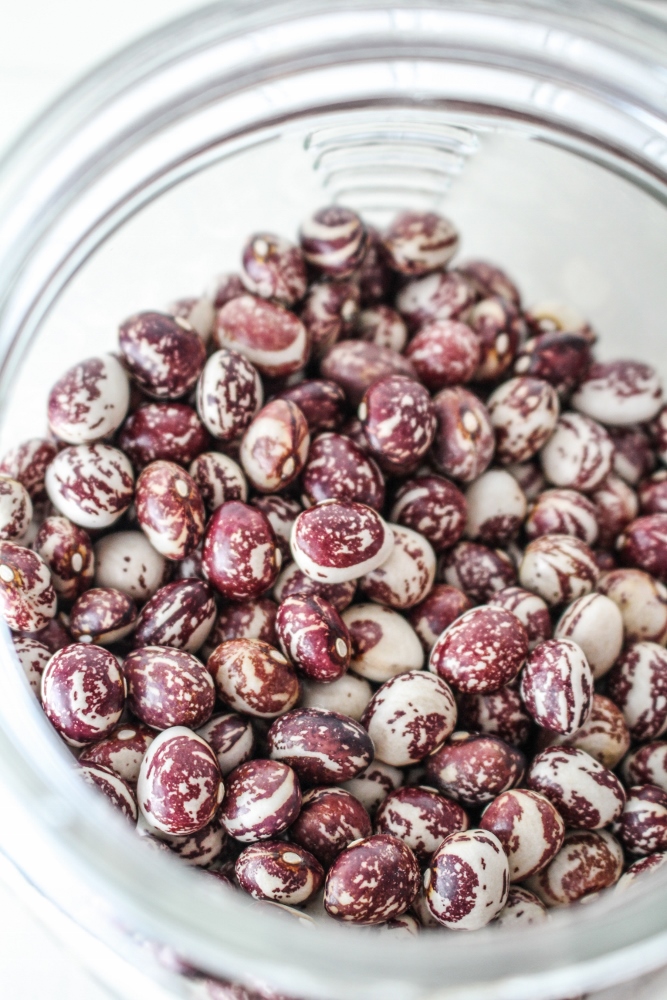
A jar of beans

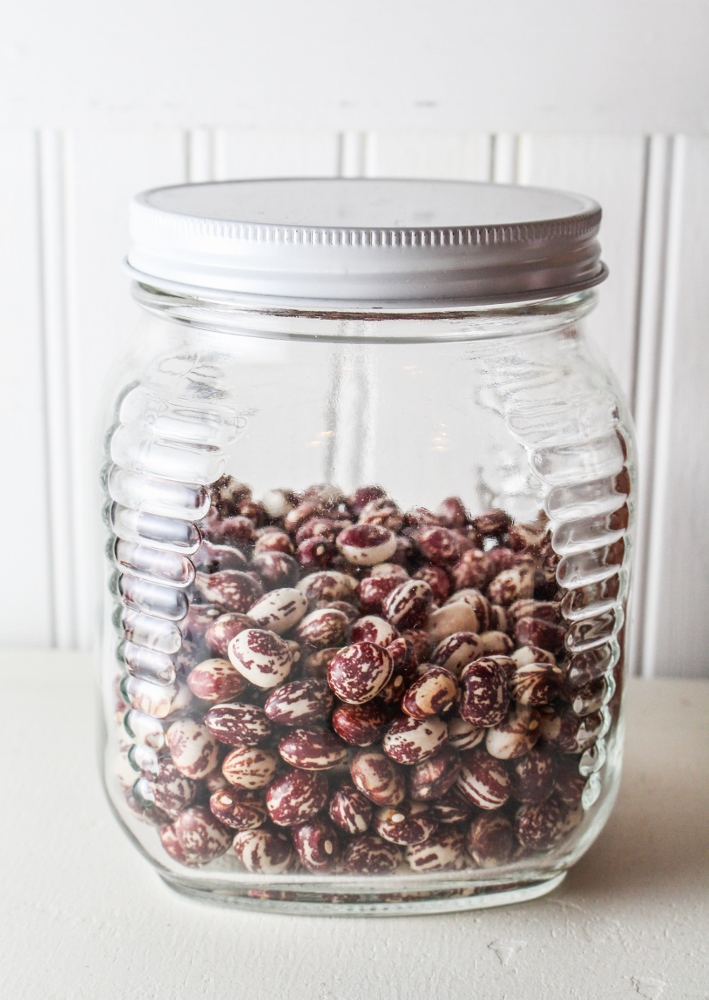
Last summer, in our wild, overly ambitious garden, we planted a few handfuls of beans. After seven varieties of tomatoes, three eggplants, four types of peas, and six melons, the beans were kind of an afterthought. We planted green beans in two neat rows, then poked a handful of seeds of mixed varieties in a circle around our bean pole, and proceeded to ignore them for the rest of the summer. Towards the end of August the pole beans began to reward us despite our negligence. Two “Gold Marie Vining” plants produced dozens of 8-inch long yellow pods, the sweetest fresh bean I’ve ever tried. We liked them so much that it took us a little while to notice that the less tasty, less prolific green pods hanging on the same pole were slowly turning a beautiful mottled pink. They still didn’t taste great, so we continued to leave them. And then, just like that, it was the first frost, so we pulled the now dried and wrinkled pods from the vines and tore the plants out of the ground. We shucked the pods open to reveal gorgeous cranberry beans, threw them in a jar for later, and continued to clean up the garden.

A humble jar of beans

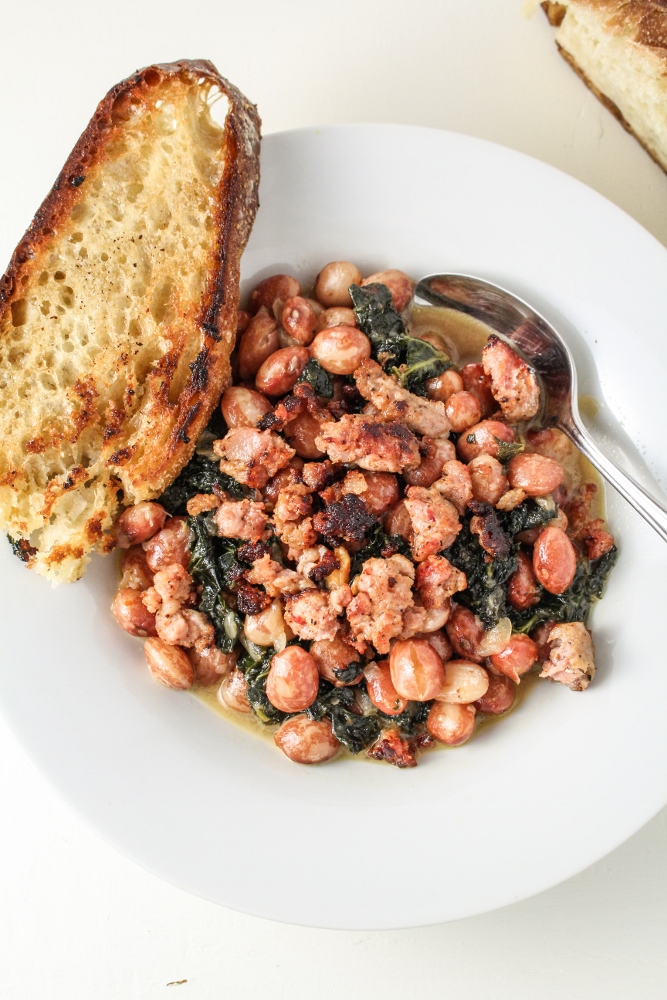
That jar of beans, which we have since determined must be the “Good Mother Stollard” variety, has been sitting patiently on our counter all winter, waiting for its time to shine. Stacked next to the slowly dwindling supply of jarred tomato puree and pickled green beans, they’ve served as a quiet reminder that summer will come again, with its bounty of food that will take us through yet another winter. A few weeks ago, we finally decided it was time to cook those beans, so we soaked them overnight, then dumped them in a pot with a few aromatics, a hunk of parmesan, and some chicken stock and let them simmer away. A few hours later, when we lifted the lid from the pot, we had the most amazing bowls of beans. The parmesan had completely melted, infusing the whole thing with a deep, rich, cheesy flavor. The beans themselves had a bite to the skin but were creamy and soft inside. Topped with a  provolone-laced crumbled Italian sausage, they were winter comfort food perfection.

That humble jar of almost-forgotten beans turned into one of the best meals we’ve had this winter. Simple but so satisfying, I’m already looking forward to next year’s jar of beans. That small handful of beans I grabbed from the jar and set aside will soon be buried in the earth, ready to turn into another reminder of summer for another winter.

Parmesan Beans with Kale and Sausage {Katie at the Kitchen Door}

Parmesan Beans with Kale and Sausage

Serves 3-4.

  • 2 c. dried cranberry beans or other medium-sized white bean, soaked overnight
  • 1 TBS olive oil
  • 1 onion, peeled and finely minced
  • 6 cloves garlic, peeled and finely minced
  • 3/4 tsp red chile flakes
  • 2 parmesan rinds
  • 4 c. chicken stock
  • 2 c. chopped kale
  • 1/2 lb. Italian sausage
  • sea salt and black pepper to taste
  1. Take soaked cranberry beans and rinse several times; they should have doubled in size. Drain and set aside.
  2. Heat the olive oil in a medium saucepan over medium heat. Add the onion and saute until translucent about 4-5 minutes. Add the minced garlic and the chile flakes and saute for another 2 minutes, until fragrant. Add the parmesan rinds and cook until they begin to melt, stirring occasionally, another 2-3 minutes.
  3. Add the beans and the chicken stock to the pot and bring to a boil, then reduce to a simmer and cover. Simmer the beans until they are tender, 1 1/2 to 2 hours. Remove the lid and simmer liquid until it is reduced to 1 cup. Add the chopped kale and  cook for another 8-10 minutes until tender.
  4. As soon as you add the kale to the pot, heat a small frying pan over medium heat. Crumble the sausage into the pan and use the back of a wooden spoon to break into small pieces. Cook fully, stirring frequently until sausage is browned and crispy.
  5. Spoon the beans into serving bowls and top with the crumbled sausage. Serve immediately.
A Trip to Oman // Mint-and-Sumac Grilled Goat Chops with Tahini Sauce

1 March 9, 2014 Food

A Trip to Oman // Mint-and-Sumac Grilled Goat Chops with Tahini Sauce

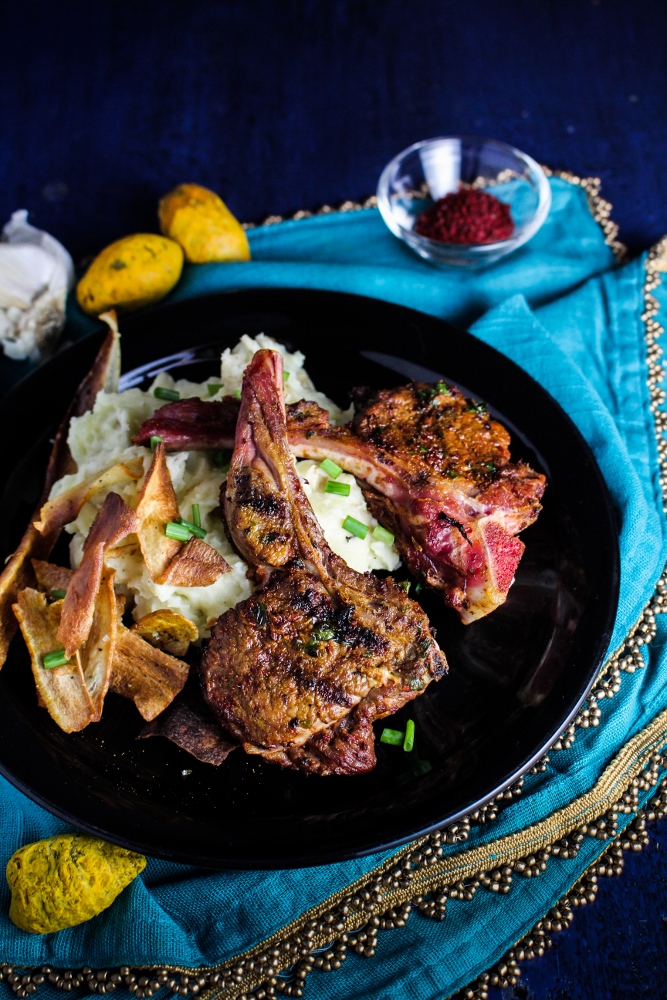
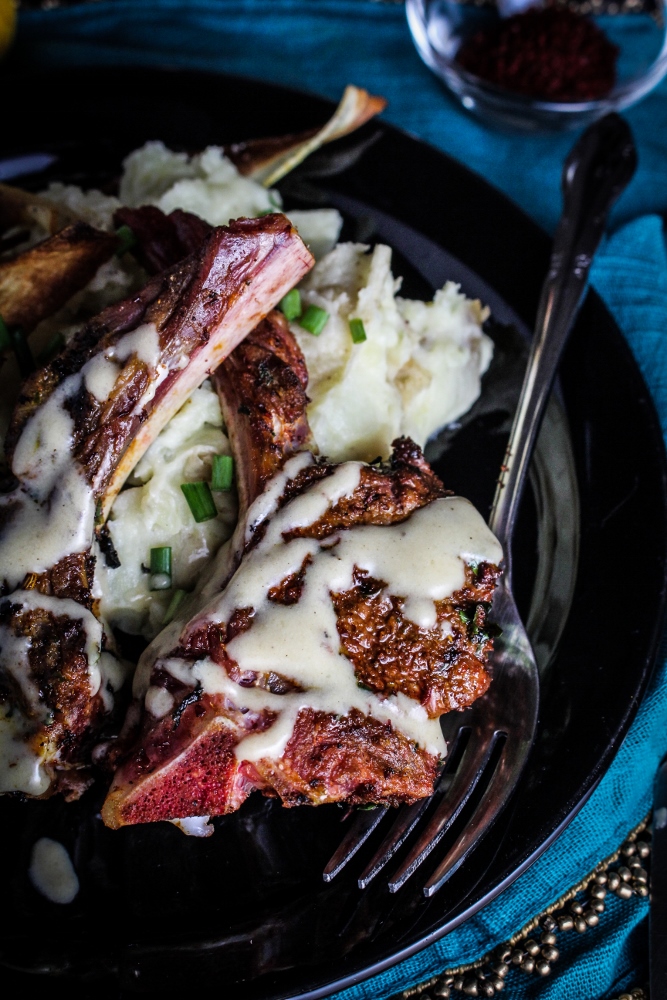
Grilled Mint-and-Sumac Goat Chops with Tahini Sauce {Katie at the Kitchen Door}

As I complained about a few weeks ago, Trevor recently took a work trip to Oman. He brought back all kinds of spices and goodies from a market he visited while he was there, and used them to make these tasty grilled goat chops flavored with mint and sumac. I decided I wanted to blog about them, and by that I mean I asked him if he would write about his trip and type up the recipe. He’s the best so he agreed, and wrote the short novel below which makes me look bad as a writer/blogger, but I’m letting it go since it’s all about what’s best for my readers, right? We’re off on our next adventure now – I have posts scheduled for you while I’m gone, but if you want to follow along as we travel through the jungles and up the mountains of Ecuador, come see what we’re up to on Instagram, where I’ll be sharing pictures and stories and hopefully some really tasty food. And now to Trevor…

Not only did I get to travel to the middle east for work, I’m lucky enough to have an exceptional girlfriend that will let me blather about it on the internet just as long as there’s a recipe involved. At the company where I work, the exciting trips to exotic places don’t generally get thrown to the low guy on the totem pole. I constantly hear stories about floatplane rides in Alaska and almost-bar fights in Ukraine, and I’ve kinda been waiting my turn. I was getting ready for disappointment when this trip cropped up, but in the space of a week, everyone else was called off to different corners of North and South America and I totally lucked out.

Muscat, Oman

Muscat, Oman {Katie at the Kitchen Door}

At any rate, (back story: I’m a structural engineer) we were asked to take a look at a brand new shipyard in the soon-to-be port city of Duqm. As part of a plan to establish Oman as a shipping powerhouse in the Persian (Arabian) gulf, a massive port was built mid-way between the capital, Muscat and the southern port city, Salalah. The port of Duqm is designed to handle an incredible amount of freight, and the nearby shipyard can service (e.g. repair, paint, scrape-the-barnacles-off…) some of the most massive ships in the world, (VLCCs and some some smaller ULCCs for ship nerds). What they don’t have yet in Duqm are a ton of roads.

For the most part of our trip, we stayed at a very well-appointed resort-style hotel on the beach, replete with BBQ nights and Budweiser. It was extremely comfortable, and also the only thing for miles. Every morning we drove through beige desert, past places where the road would abruptly end, and where bits of infrastructure were being jackhammered out of the bedrock. We drove at incredible speeds; (a little alarm would go off at 160kph,) into a sprawling yard where fourteen cranes dwarfed the silhouettes of fishing dhows in the harbour, and every berth in the yard was occupied by a huge ship crawling with workers. The yard recently celebrated the docking of its 200th vessel in a mere 3 years of service, so It isn’t hard to imagine Duqm growing into a successful center of trade and industry.

Driving through Oman {Katie at the Kitchen Door}

Driving through Oman {Katie at the Kitchen Door}

But we were looking for a little culture. So on our way home, back through Muscat, we begged for a tour of the city and for ideas of what to bring home to show off to our friends and family. We were treated to an evening tour through the beautiful old city and past the Indian-style palace built by Sultan Qaboos bin Said Al Said. It was explained to us that the Portuguese once invaded Oman in order to position itself along the same crucial trade routes that are used today. Old forts from this time flank the harbour and look down on a city in transition. More and more cruises are stopping in Muttrah, a city in the province of Muscat, as it becomes a destination of interest for National Geographic-style expeditions. We visited one of the oldest marketplaces on the Arabian peninsula, the Muttrah or Al Dhalam Souq (Darkness Souq) which now hosts only a few stalls catering to Omanis, and many which cater to tourists.

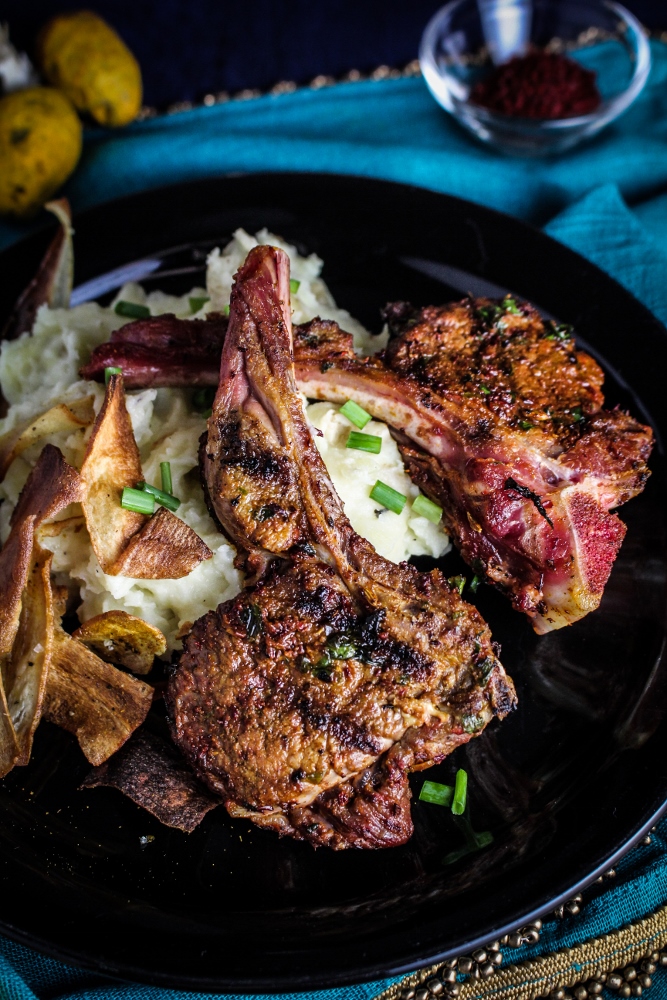
Grilled Mint-and-Sumac Goat Chops with Tahini Sauce {Katie at the Kitchen Door}

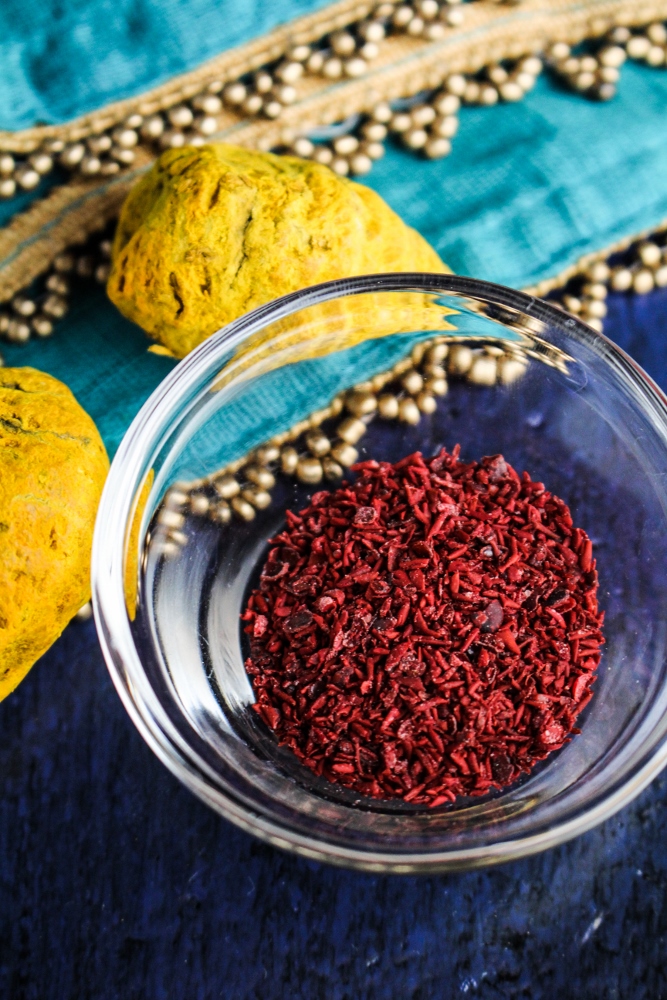
With our extremely gracious host guiding us, we sampled delicious gelatinous candy, and sorted through cheap knockoffs for old-school Omani coins. We sampled powerful perfumes and checked out a small grocery which was full of snacks, candy, oil extracts and spices. I managed to grab some sumac, which is a lemony spice from the sumac berry, and some whole turmeric roots, which are super funky looking. (Side note: I tried to buy two little nubbins of turmeric, but ended up with a whole kilo… so we’re set for life.) I also grabbed some rose petals for candying and then escaped for fear of blowing the weight limit on our checked bags. Everything we asked for was shoveled out of giant colorful sacks which created such an incredible set of smells that the other market-goers’ heads would whip around every time the door was opened.

Sumac and Whole Turmeric, Treasures from Oman

Our last stop was the smallest stall yet; a six-foot square with walls lined floor-to-ceiling with bags and bags of frankincense. Just as we walked up, a small crowd formed of people firing off questions and haggling with a young man in the middle of the whole thing, perched at a raised counter. There was frankincense for chewing and making tea, frankincense for burning, and frankincense mixed with every kind of perfume and oil. We got away with a big bag of huge chunks of the dark, powerful-smelling sap, and a smaller bag of the clearer variety used as as a sort of panacea.

But that’s enough babbling. Our extremely friendly host treated us to a dinner of everything-on-the-menu at a lively outdoor restaurant full of men smoking sheesha and drinking fresh fruit juice, and then sent us on our way. Part of our feast included a small grill, placed on the table full of kebabs, lamb sausage and goat chops, all of which were super delicious, and one of which, I tried to recreate here.

Grilled Mint-and-Sumac Goat Chops with Tahini Sauce {Katie at the Kitchen Door}

Mint and Sumac Goat Chops with Tahini Sauce

Adapted from Bruce Aidells’ The Great Meat Cookbook. Serves 2.

For the Goat Chops:

  • 2 small garlic cloves, peeled and chopped
  • ½ cup parsley, chopped
  • 2 tablespoons fresh mint, chopped
  • 1 tablespoon sumac
  • 2 tablespoons olive oil
  • 1 teaspoon salt
  • 1 teaspoon ground black pepper
  • ½ teaspoon cayenne pepper
  • 2 teaspoons sweet Hungarian paprika
  • 1 teaspoon ground cumin
  • 1 teaspoon turmeric
  • 1 teaspoon fennel seeds
  • ⅛ teaspoon ground cinnamon
  • 4-6 small goat chops (about 1 lb. in total)

For the Tahini Sauce:

  • 2 tablespoons tahini
  • 3 tablespoons fresh lemon juice
  • 3 tablespoons extra-virgin olive oil
  • 1 tablespoon water, or more if needed
  • salt to taste
  1. In a mortar and pestle, grind up the olive oil, garlic, mint, parsley, sumac, and fennel until you have a rough paste, and there are no huge chunks. Add the rest of the the spices and mix it up until it’s a uniform consistency. Trim the chops of any silver skin or ragged edges, then coat them with the rub. Let the chops sit covered in the fridge for two hours or so.
  2. For the tahini sauce, mix the tahini, lemon juice, olive oil and water in a small bowl with a whisk, making sure there are no lumps. The sauce should have a syrupy consistency; season with salt.
  3. On medium-high heat, grill the chops for about five minutes per side for medium-rare (125-130 degrees, internal temp). Let them rest for a couple of minutes after removing them from the heat and then artfully drizzle them with the tahini sauce.
  • « Previous Page
  • Page 1
  • …
  • Page 20
  • Page 21
  • Page 22
  • Page 23
  • Page 24
  • …
  • Page 57
  • Next Page »

Primary Sidebar

Subscribe!

Get creative recipes and menu ideas delivered straight to your inbox.

Most Popular

A House // Sweet Potato and Coconut Milk Soup with Brown Rice and Lentils

Monthly Fitness Goals: July // Homemade Spinach Wraps with Chopped Greek Salad

A New Job // Classic Seven-Layer Bars

Butternut Squash Carbonara with Fried Sage and Caramelized Onions

Happy Birthday, Trevor! // Peanut Butter Fudge

Cookbook Review and Giveaway: Home Made Winter

Drizly

Please note!

Full disclosure: if you purchase anything at Amazon using the above links or any other links to Amazon on this site, I will receive a small commission. Just so you know!

Copyright© 2018 · Cookd Pro Theme by Shay Bocks

View Mobile Site
This site uses cookies: Find out more.