• Skip to primary navigation
  • Skip to content
  • Skip to primary sidebar
  • Home
  • Recipes
  • Features
    • Cookbook Reviews
    • Ingredient of the Week
    • Sunday Dinner
    • Fitness Goals
  • Travel
  • About
    • Privacy Policy
    • Cookie Policy
  • Work With Me

Katie at the Kitchen Door

Globally-inspired, seasonal recipes

Blog Page

Plums in February

0 February 20, 2012 Cookbook

Plums in February

I know.  It’s 100% not plum season.  At least, not in Boston or anywhere else north of the equator.  But in flipping through Roast Figs Sugar Snow (isn’t that just the best cookbook name?) I kept seeing all these tantalizing plum recipes.  Like roast plums and figs in vodka with cardamom cream.  And Russian cheese pancakes with plum compote.  And plum squares.  So the other day when I walked into Wholefoods and found it to be a veritable dream of produce, I couldn’t resist.  I mean, not only did they have beautiful stacks of winter citrus and root vegetables, they also had plums and gorgeous blackberries and mangoes and apricots.  Apricots.  And in a kind of dreary month like February, the temptation of all that succulent, summery, sweet fruit was too much for me – I caved.  Hey, it’s plum season in Chile.
And even though local plums are months and months away, I am getting excited for spring.  Peas, baby beets, tiny strawberries, scapes, fava beans.  In North Carolina, spring is more like New England’s summer – everything bursts into life and warmth and color in the middle of March and the days become long and hot and wonderful.  The moment that defined spring for me every year was getting off the plane in North Carolina after spring break and being overwhelmed by the green after a week in still-gray Boston.  And I loved that.  New England spring is a very different animal but I find that I’m looking forward to it with the same intensity that I look forward to the dramatic bursting forth in the South.  New England spring is a gray and gritty time, full of cold mud and rain and what feels like eternal waiting, but it holds so much promise, and each imperceptible change in the weather and the plants and the air brings a little more life to the world.  I may be jumping the gun a little bit with my enthusiasm (did anyone else start their herbs inside last weekend?  No?  Because I did.  And I’m really excited about it.) but can you blame me, really?
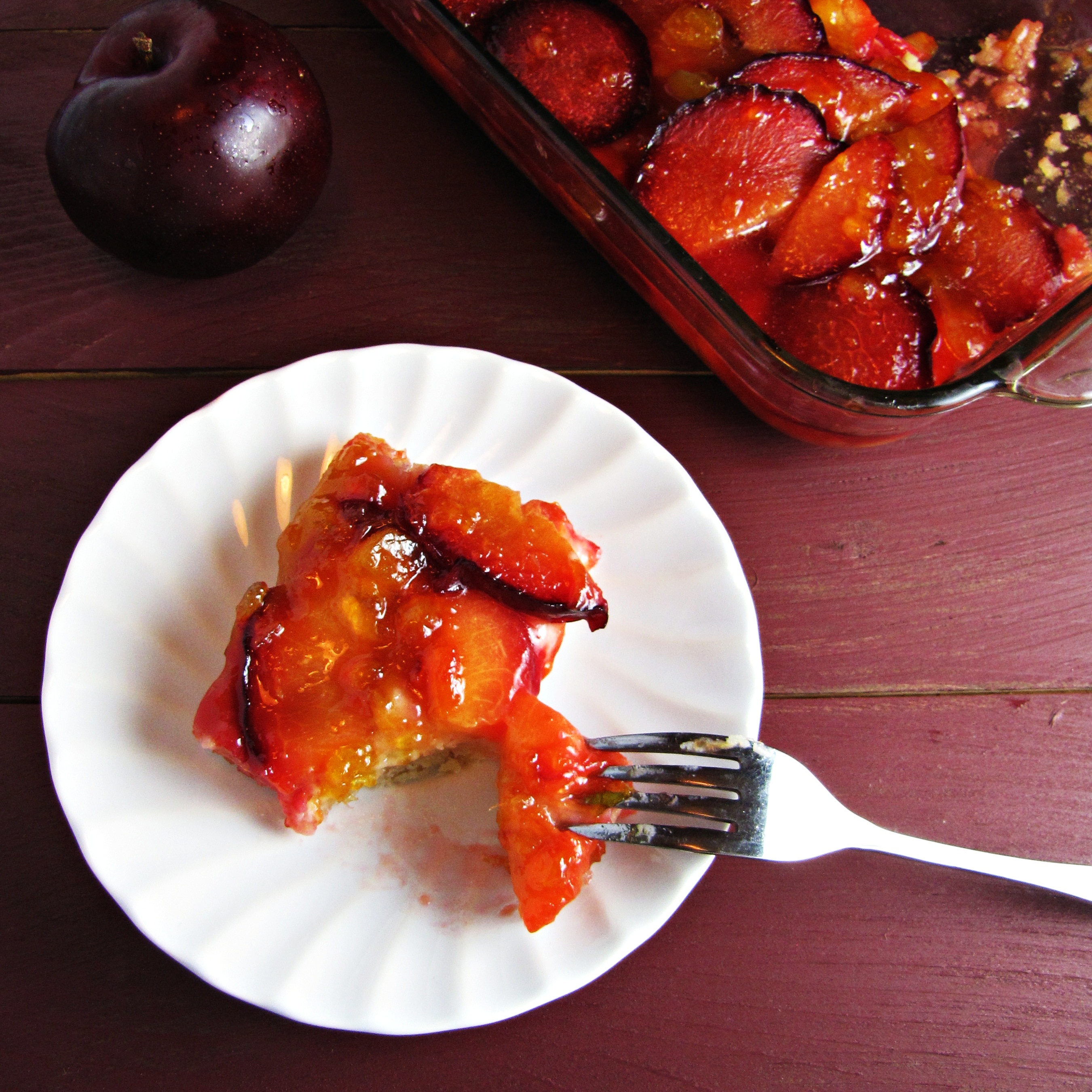
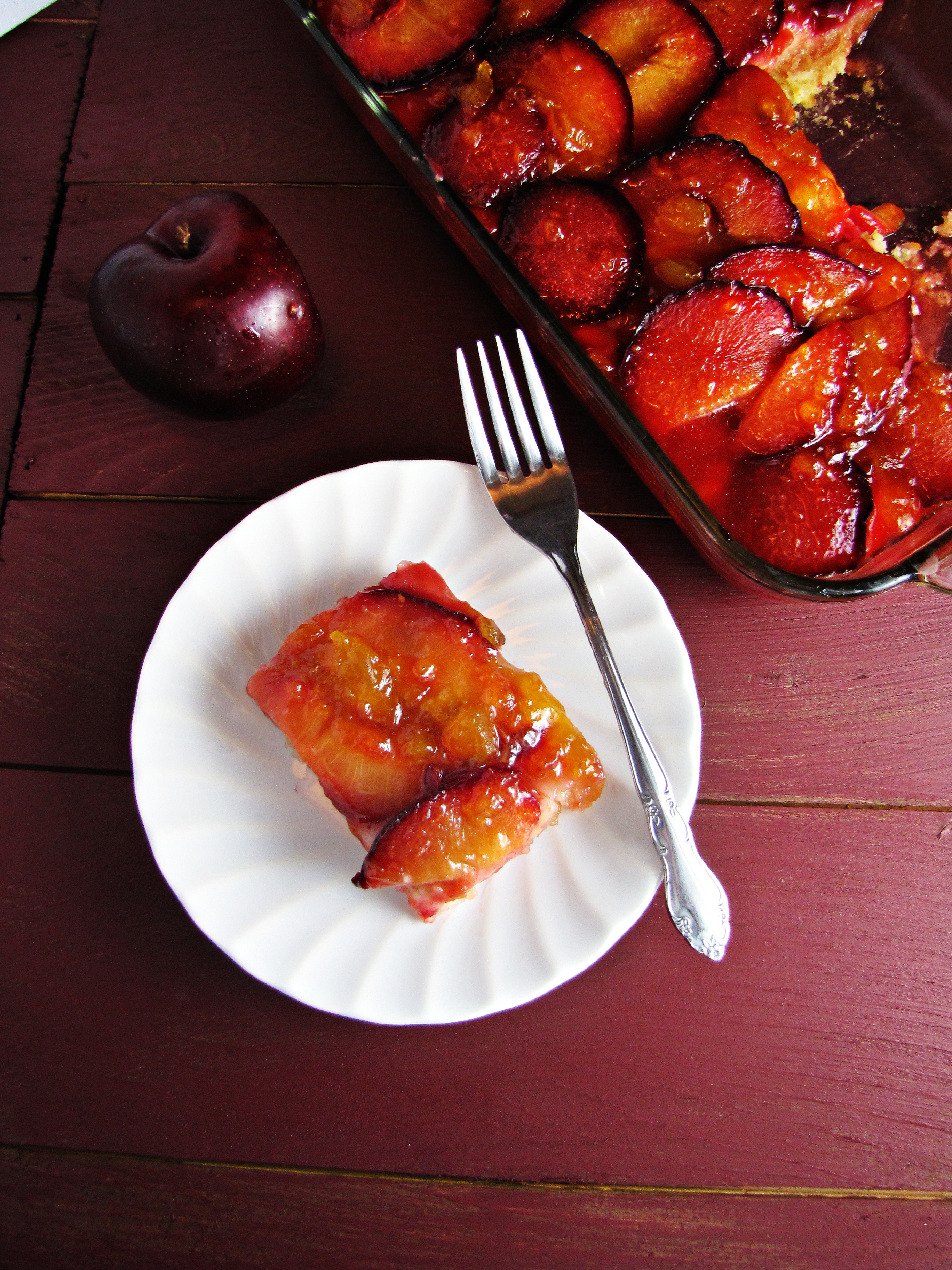
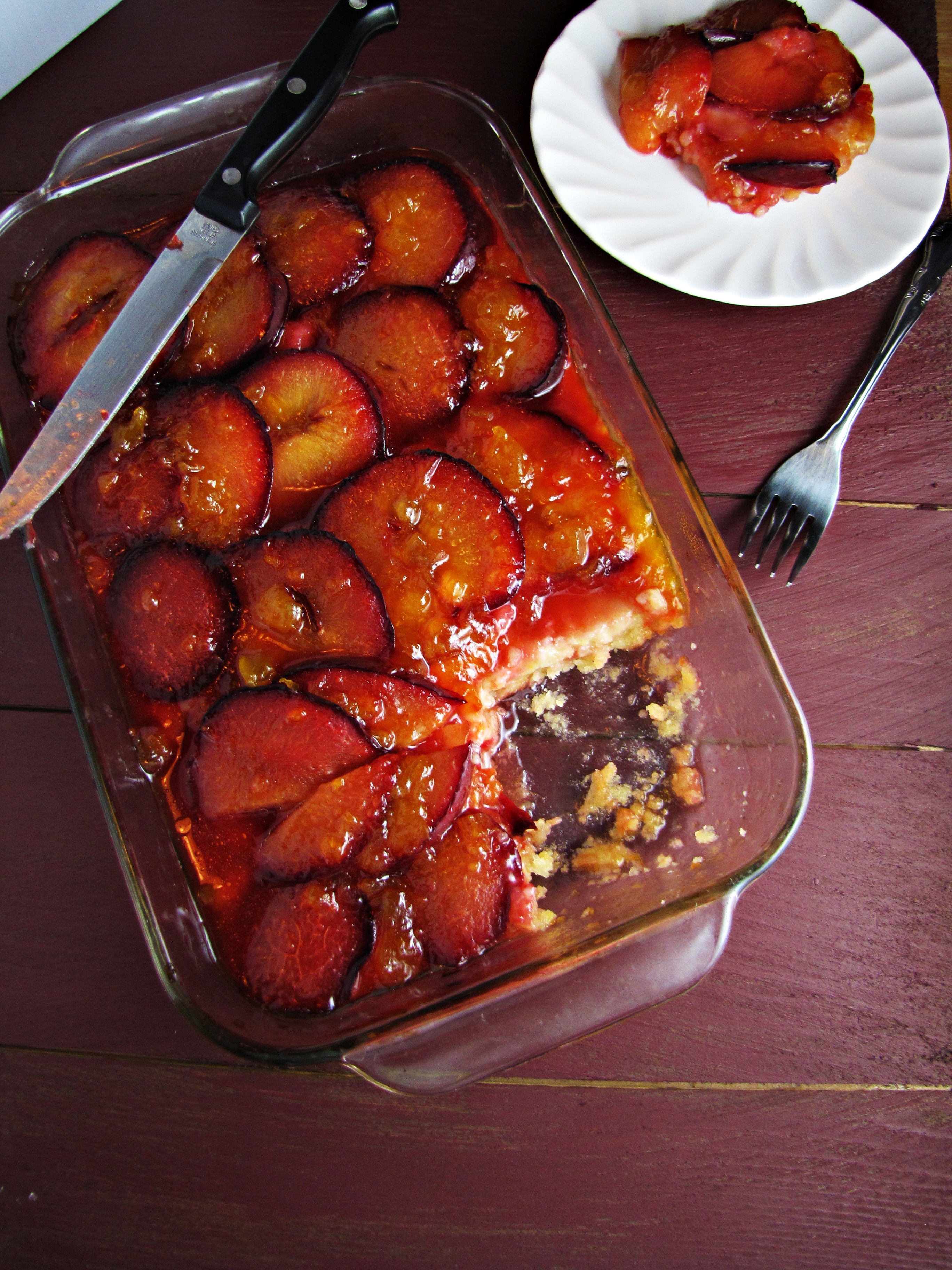
Personally, I thought these plum squares were amazing.  Like, way-better-than-I-was-expecting-them-to-be amazing.  They were super juicy and a little tangy and not overly sweet in a very refreshing way.  They are an ideal late afternoon or post-breakfast snack.  Or an ideal breakfast.  And I can definitely see remaking this recipe into a plum pie next summer.  Lastly, these squares are gorgeous.  All that purple richness really gets me.  So if you’re looking for a little escape from February and don’t mind cheating just this once on your Locavore commitments, try these.  You’ll be glad.  Alternatively, you can be a more earth-friendly person than I and bookmark this until next August.
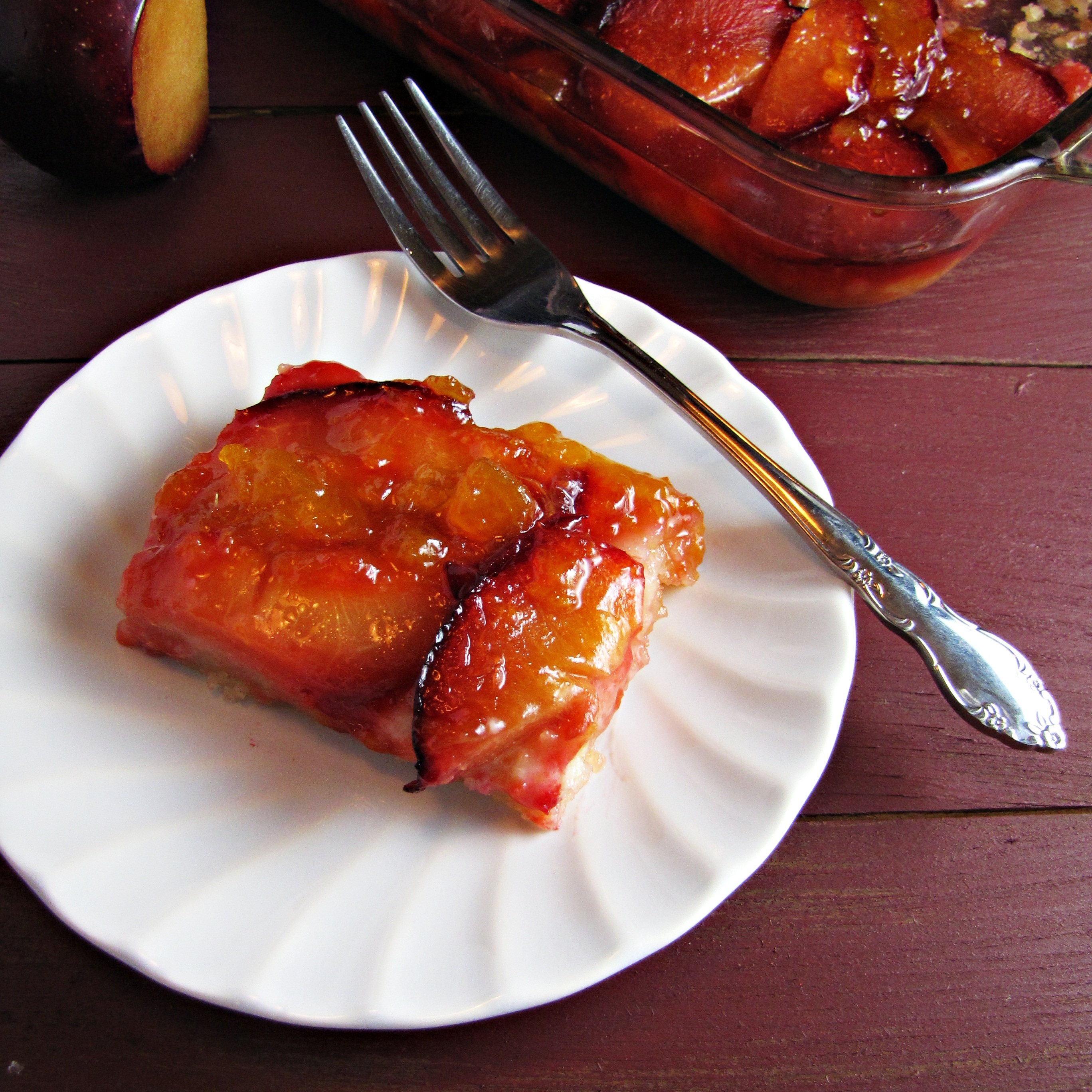
“Cafe Sperl” Plum Squares

Recipe adapted from Roast Figs Sugar Snow by Diana Henry.  Makes 9 squares.

  • 2 c. flour
  • 1 stick cold butter, cut into small pieces
  • 3/4 c. sugar
  • 1/2 tsp salt
  • 1 egg yolk
  • 1 tsp vanilla
  • 3-6 TBS ice cold water
  • 3-4 medium, ripe plums
  • 2 TBS turbinado sugar
  • 2/3 c. apricot jelly
  1. Combine flour and cold butter in a food processor and pulse until mixture is coarse with pea sized chunks.  Add sugar and salt and pulse a few more times.  Add egg yolk and vanilla and pulse until dough begins to come together.  If dough will not come together, add ice cold water 1 TBS at a time, pulsing in between additions, until dough stays loosely together when pinched.  Alternatively, this entire process can be done without a food processor, using a large bowl and a pastry cutter to mix the dry ingredients with the cold butter.  If no food processor is used, you will likely need more cold water to get the dough to come together.  Form the dough into a ball, wrap tightly in plastic wrap, and refrigerate for 30 minutes.
  2. Preheat the oven to 350°F.  Press dough into a 8×12 inch baking pan.  Halve plums and remove pits, then slice into 1/2-inch thick slices.  Layer plum slices over dough, then sprinkle with the turbinado sugar.  Bake for 40-45 minutes, until plum juices are bubbly.  Allow to cool.
  3. Heat apricot jelly in a small saucepan over low heat, until jelly is thin enough to pour.  If jelly is not thinning, add 1-2 TBS water.  Spoon warm jelly over plums, then allow to set.  Serve chilled.  Store in the refrigerator.
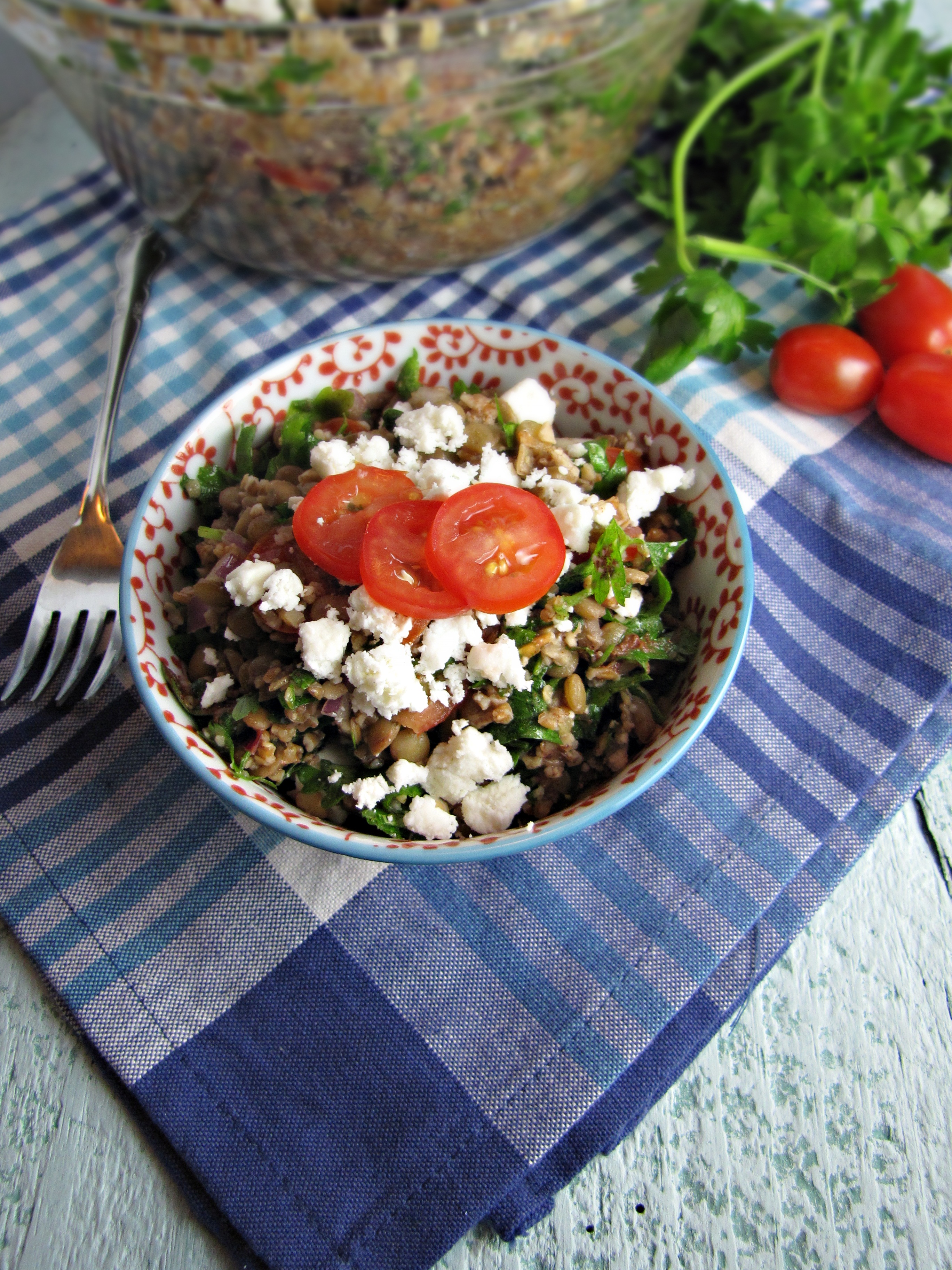
Greatist Collaboration: Feta and Lentil Tabbouleh

0 February 17, 2012 Food

Greatist Collaboration: Feta and Lentil Tabbouleh

Today marks the first week of my new collaboration with Greatist, a fun, relatively new to the scene website focusing on all things health and fitness.  A few weeks ago a classmate of mine from  Andover (who is now the health editor at Greatist) contacted me with the idea of doing a regular guest feature over there – obviously, I was more than willing to sign on!  Every other week I’ll be posting a healthy, easy, and simple recipe over there, and sharing photos and stories with you here, so I hope you’ll continue to come by and check out what we’re doing/cooking/eating!

Since Greatist is geared towards health-focused, active, and busy people, not just food-lovers (i.e., not necessarily the kind of people who might dedicate an entire weekend to making cheese or keep a fully stocked cabinet of Indian spices), all of the recipes I post for them will take less than 30 minutes of active cooking time and have fewer than 8 ingredients (olive oil, salt, and pepper don’t count!).  This actually lines up really well with one of the areas I want my blog to focus on more – accessible cooking.  A few weeks back, some girlfriends of mine requested that I put together a section on this blog for recipes that they might  actually cook – recipes that took a reasonable amount of time, used simple techniques, and involved ingredients that they might already have lying around.  Personally, I find cooking and baking to be therapeutic, and I’m more than happy to spend a few hours a day mincing and stirring and whipping, but I know that a lot of people, especially in my generation, think of cooking solely as a process to get to the end result – nourishment.  And although I will always enjoy the process of cooking, the idea of fast and healthy cooking resonates with me more and more as my work schedule ramps up.  In light of that, keep your eye out for a new “fast and healthy” section on here soon.

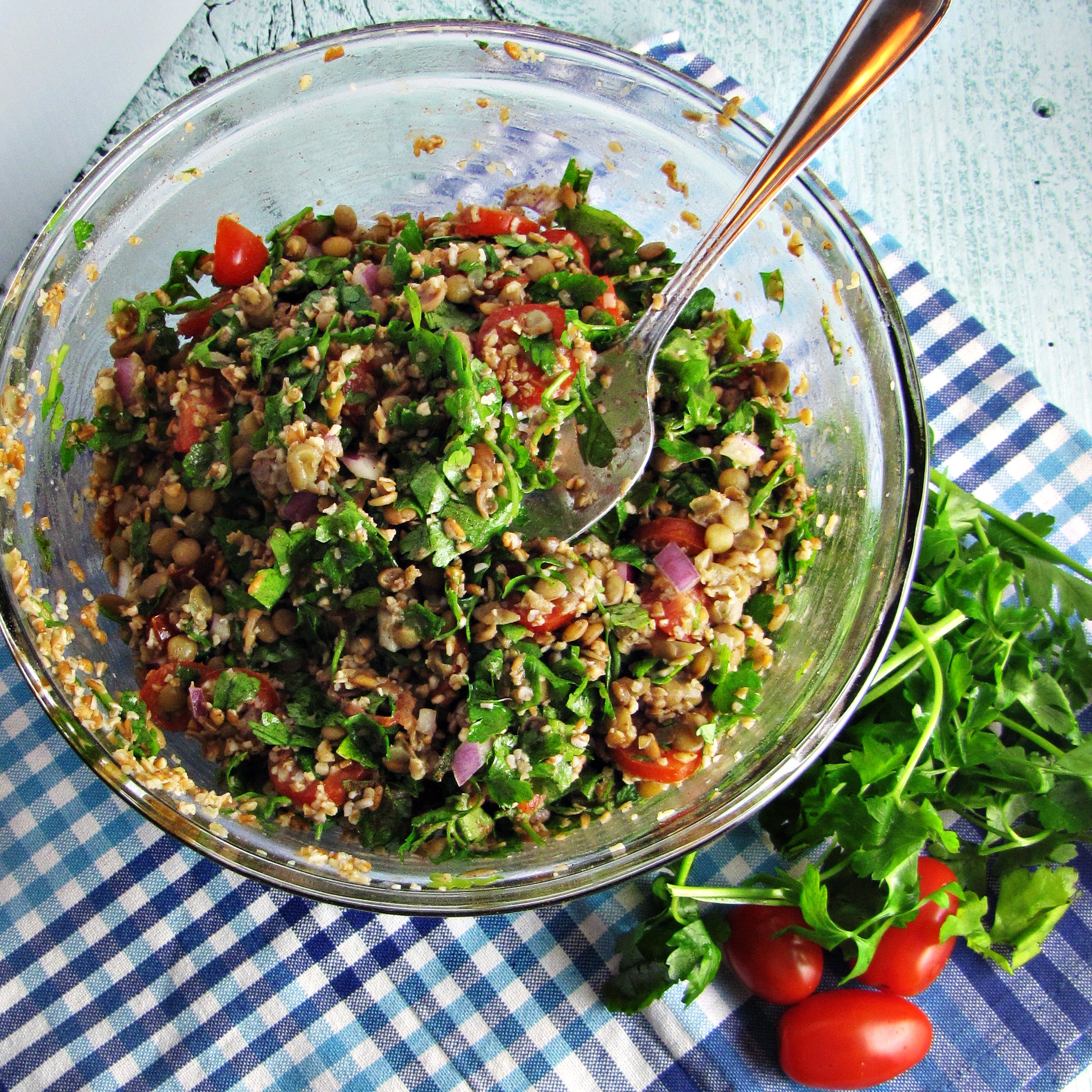
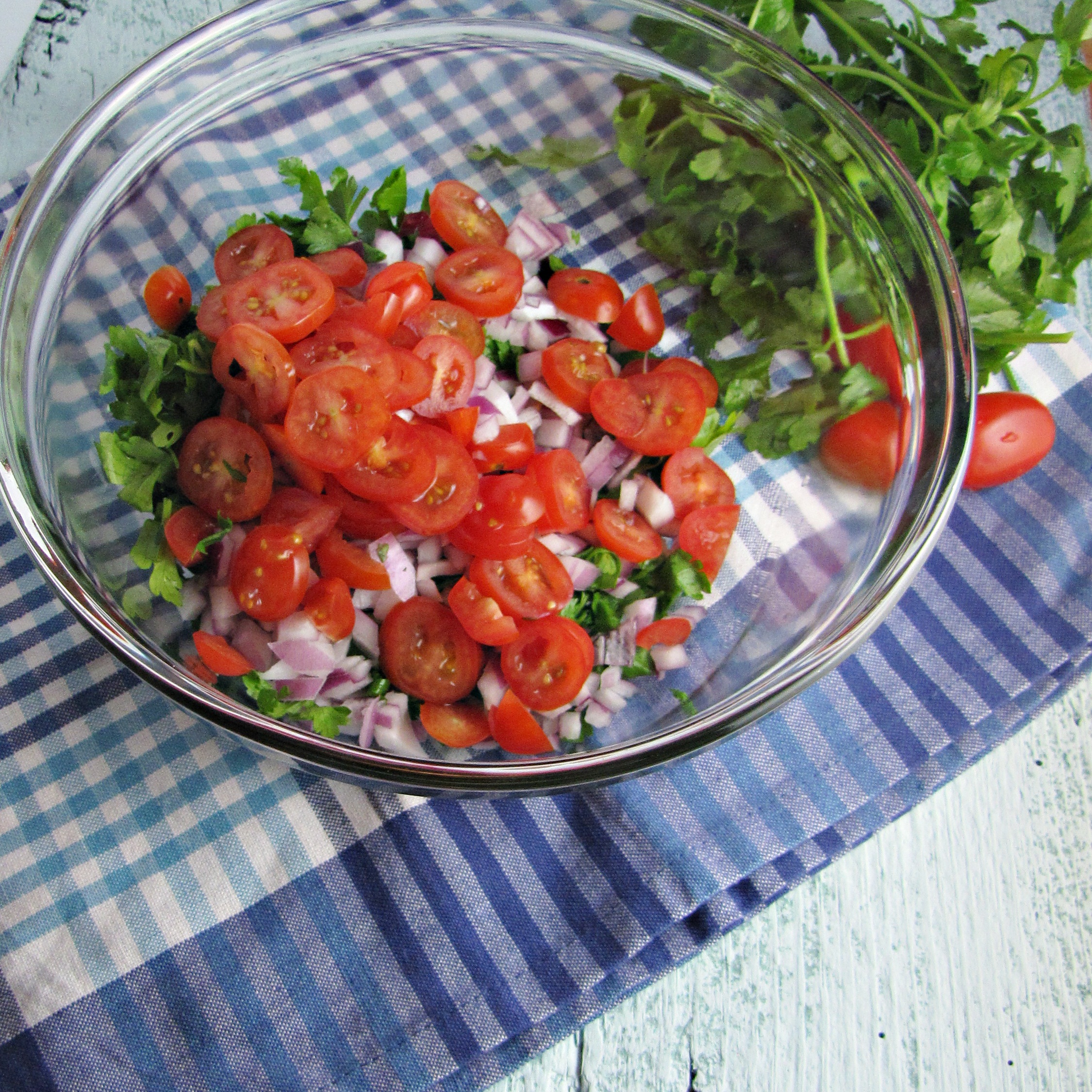
The 8 ingredient cap for this recipe did prove to be a bit of a challenge for me.  Given that I have a very well stocked (sometimes I think it might be overstocked) kitchen, I had to totally switch mindsets to think about using a few simple, readily accessible ingredients to provide maximum flavor and nutritional value.  In the end, I went with what I knew – pulse-heavy vegetarian cooking, with a flavorful twist.  I’m very pleased with the recipe I ended up choosing – the feta and lentil tabbouleh pictured here.  In terms of health benefits, it packs a serious punch.  The combination of the lentils and bulghur provides a complete source of protein and a ton of fiber.  The parsley and tomatoes contribute many vitamins and minerals (mainly Vitamin K, Vitamin C, and Vitamin A, as well as lycopene), while the cinnamon, lemon juice, and feta, provide a big dose of warm, Middle-Eastern flavor.  Want the numbers?  One serving of this tabbouleh provides around 350 calories, is filling enough to be a full meal, and provides around 11g of protein (20% of your daily need for a 150 pound person) and 7g of fiber (25% of the daily need of a 20 year-old woman).  Need even more convincing to try this?  The only dishes you’ll dirty are one pot and your cutting board, and it will be ready to eat 45 minutes after you put the water on to boil.

Head on over to Greatist for the full recipe!  And thanks to everyone arriving from Greatist for coming by to check out this space – come back soon!

Note:  All caloric and nutritional data is from Spark People and The World’s Healthiest Foods.

Adventures in Cheesemaking

0 February 9, 2012 Fall

Adventures in Cheesemaking

In the spirit of daydreaming about farming and all things homemade, Trevor and I have been dabbling in cheesemaking recently.  I’d love to say that it’s as simple as following a recipe and that we were pretty much ready to run out and buy a cow, but making cheese is hard.  It’s more science than cooking.  Very precise science.  Like, whip out your digital thermometer and pH-meter precise science.  Still, despite a few less-than-delicious final products, it’s been really cool to watch a pot of milk turn into something very closely resembling cheese, and hopefully we’ll only get better at it.

The first time we attempted to make cheese was actually almost two years ago, while living in Durham.  We’d seen a bunch of recipes for “easy” mozzarella – no cultures, just junket tablets and lemon juice.  We grabbed a thermometer from Kroger and gave it a shot.  The result was not mozzarella cheese.  It was sort of a crumbly, lemony, curdy mass resembling cottage cheese.  It did not stretch.  It did not melt.  It did not look, taste, or smell like mozzarella cheese.  Apparently, there are plenty of people around the internet that managed to get this recipe to work, but we were not those people.  In hindsight, the recipe used so many shortcuts that it surprises me it even changed from it’s original milky state to anything else.

These days we’re a little bit more high tech, but still not quite ready to turn into full time fromagiers.  We now work from recipes in a book called Artisan Cheese Making at Home, which is a fantastic book.  It’s the perfect balance of technical and descriptive – with charts of cultures, troubleshooting tips, and mold types, and detailed instructions for all the cheeses you find regularly (cheddars, chevre, jack, parmesan, mozzarella) and a few more exotic cheeses (crescenza, brie, o’banon, and many more).  There are also tips and sidebars for variations on cheeses, like a cocoa-rubbed jack cheese and a brew-curds cheddar.  The instructions are long, and we typically have to read each recipe several times both before and during the process to get it all down.  Thankfully, whenever we come up with a question part way through a recipe – like: how do we actually wax a cheese?  What exactly is annatto and why does it say optional? How does one prepare a grape leaf so that it’s suitable for cheese-wrapping? – there’s always a section devoted to answering that specific question.  Of minimal importance when it comes to cheesemaking (but a nice bonus), the book is beautifully presented, with great photographs and clear prose.  I highly recommend it if you’re looking to getting into the whole cheesemaking thing.
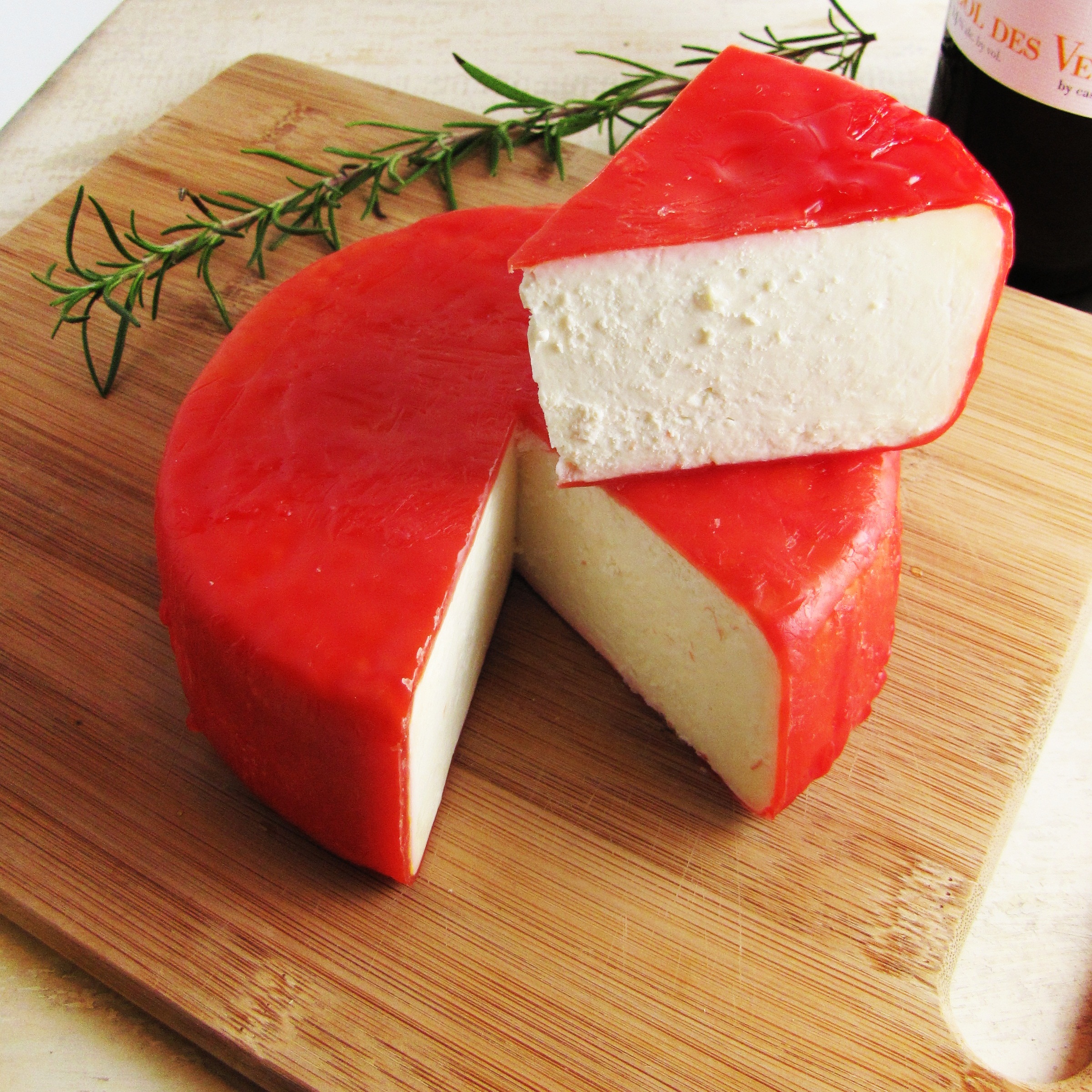
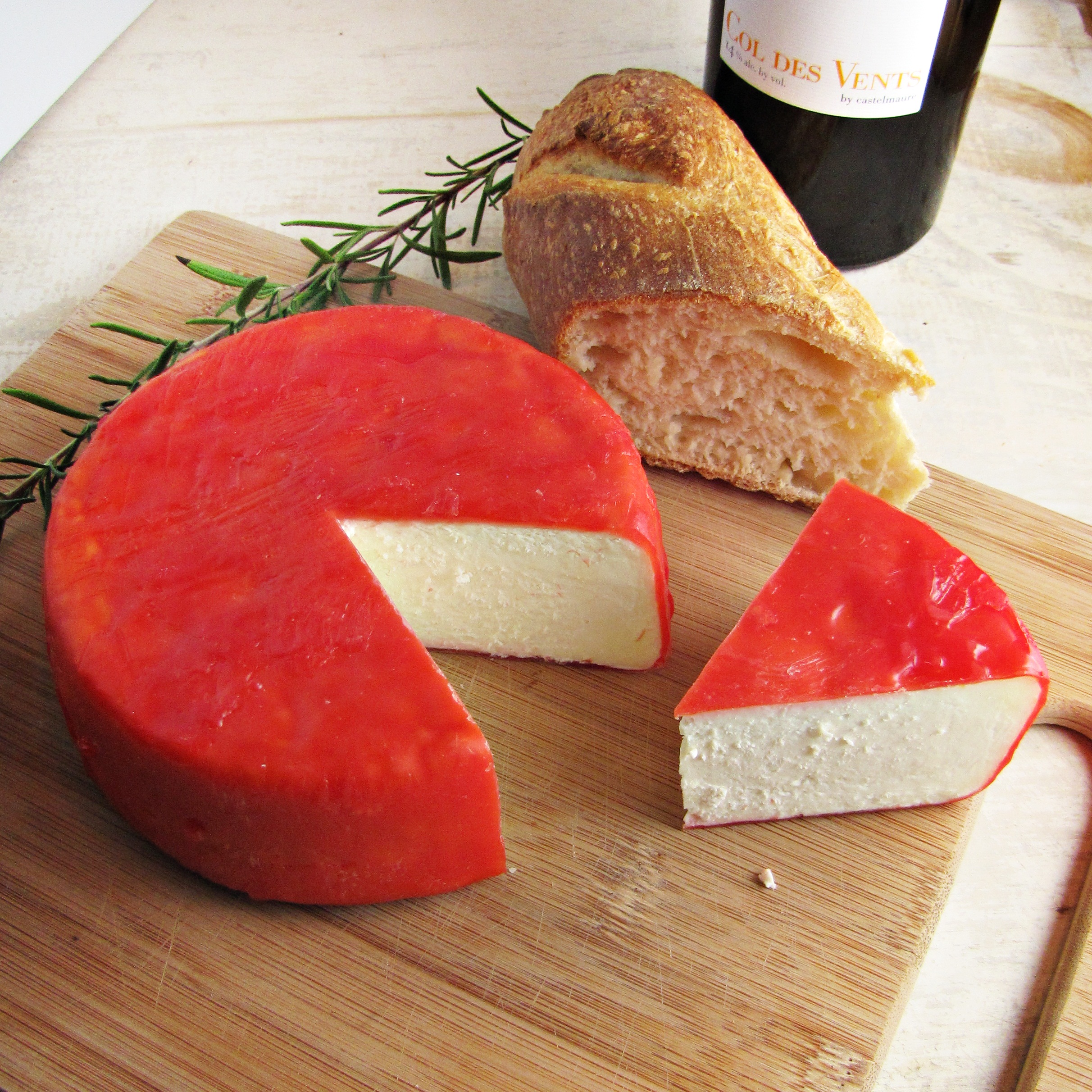
So far, we’ve made 5 cheeses from the book.  Our first cheese was a soft cheese called a crescenza.  Neither of us have ever had crescenza from a store, so we didn’t have a lot to compare it too, but ours was a quick, soft cheese, with a spongy texture similar to a feta.  I thought it was a little bit too salty, but we ate it and considered it a decent success.  Next up came an aged gouda, a bit of a risk considering we wouldn’t be able to taste it until 3 months after making it.  The gouda has actually been our most successful cheese so far – after taking the first bite of it and finding it smooth, a little bit creamy, and definitively cheesy tasting, we jumped up and down a little bit we were so excited.  So it didn’t taste exactly like your typical gouda – but it tasted and acted like cheese!  And it was good!  Third, we tried mozzarella again.  Maybe mozzarella just isn’t our thing, because we can’t seem to get it to stretch right.  It’s tricky.  Dilled havarti was our fourth cheese, which ended up being kind of a waste, because, well… I forgot to take care of it.  And therefore it grew an immense amount of mold and we had to toss it.  Sorry, Trev.  We didn’t really have high hopes for it anyway, given that our pre-aging taste test of it revealed something unpleasantly sour.  Last, we have two boules of edam sitting in the basement for another month or so – and so far they seem pretty promising.  All in all, a mixed bag, with failures outweighing success… but the successes were sweet enough that we’re not giving up yet.

Interested in trying one of these out?  We definitely think you should.  The processes for making these cheeses are really too detailed to share in blog form (without many links and culture tables and resources) but maybe in the future after we’ve really got it down we’ll pick one or two to highlight.  What we can leave you with are some tips we’ve come up with through experience, and some of the resources we’ve found the most helpful:

  • Start your cheese early.  Unless you want to practice parenthood and wake up four times a night to flip and rinse your cheeses, getting them to their final resting state before bedtime is highly recommended.  Many of the recipes take 5-8 hours total (about a third of that is active time), so read the recipe carefully before hand and mark out a timeline, and plan to make a day of it.
  • Get a big pot (or two!).  We typically use a gallon of milk per recipe and it almost fills my Cuisinart stock pot (I think it’s 5 qts…. that would be the logical size at least).  This works, but it would be great to have more room to work with.
  • Sources for cultures and other additives: ordering cultures from either New England Cheesemaking Supply or The Beverage People is fast and relatively inexpensive.  Those in major cities should also be able to find basic cultures at local cheesemaking or brewmaking stores.

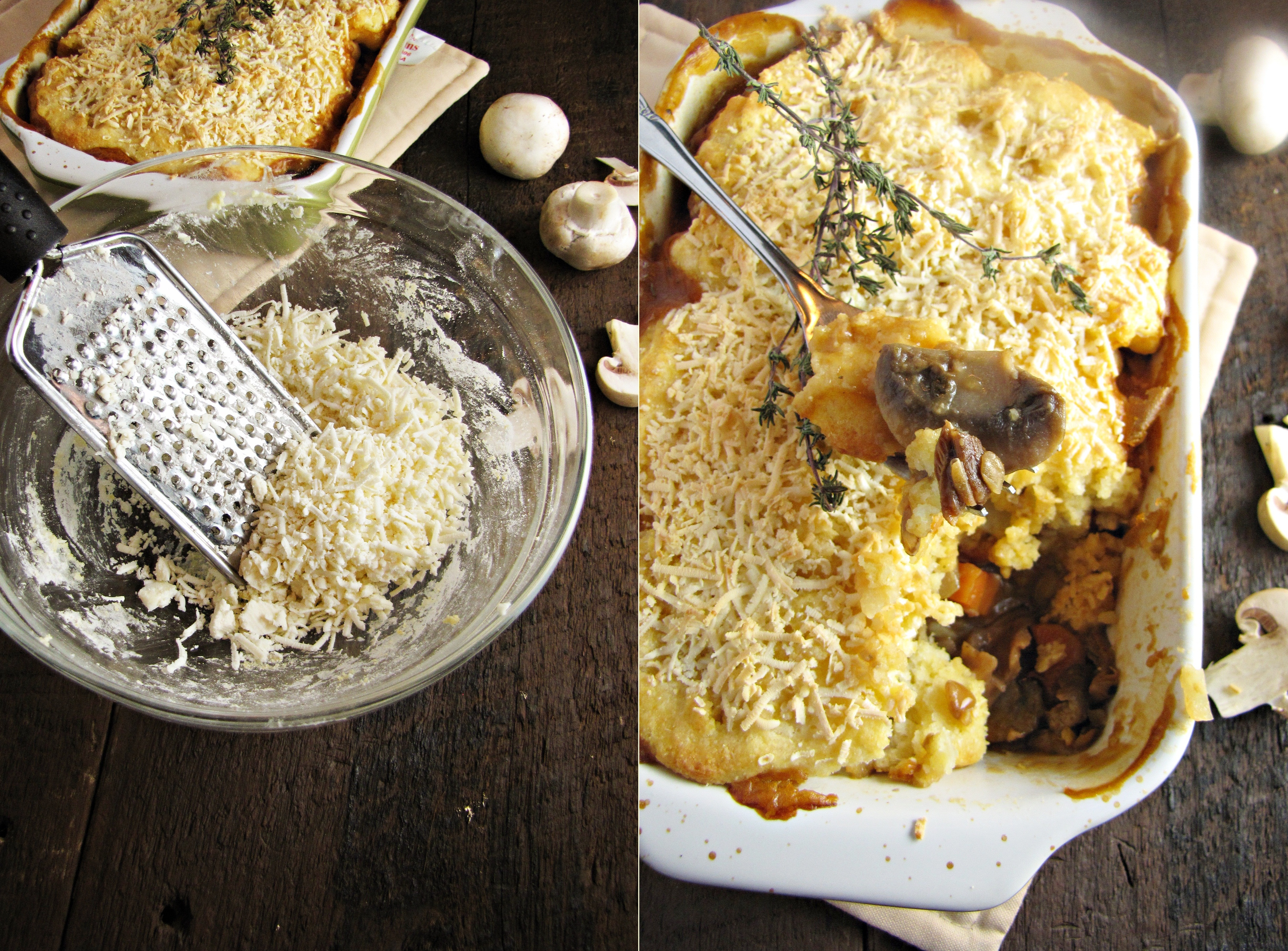
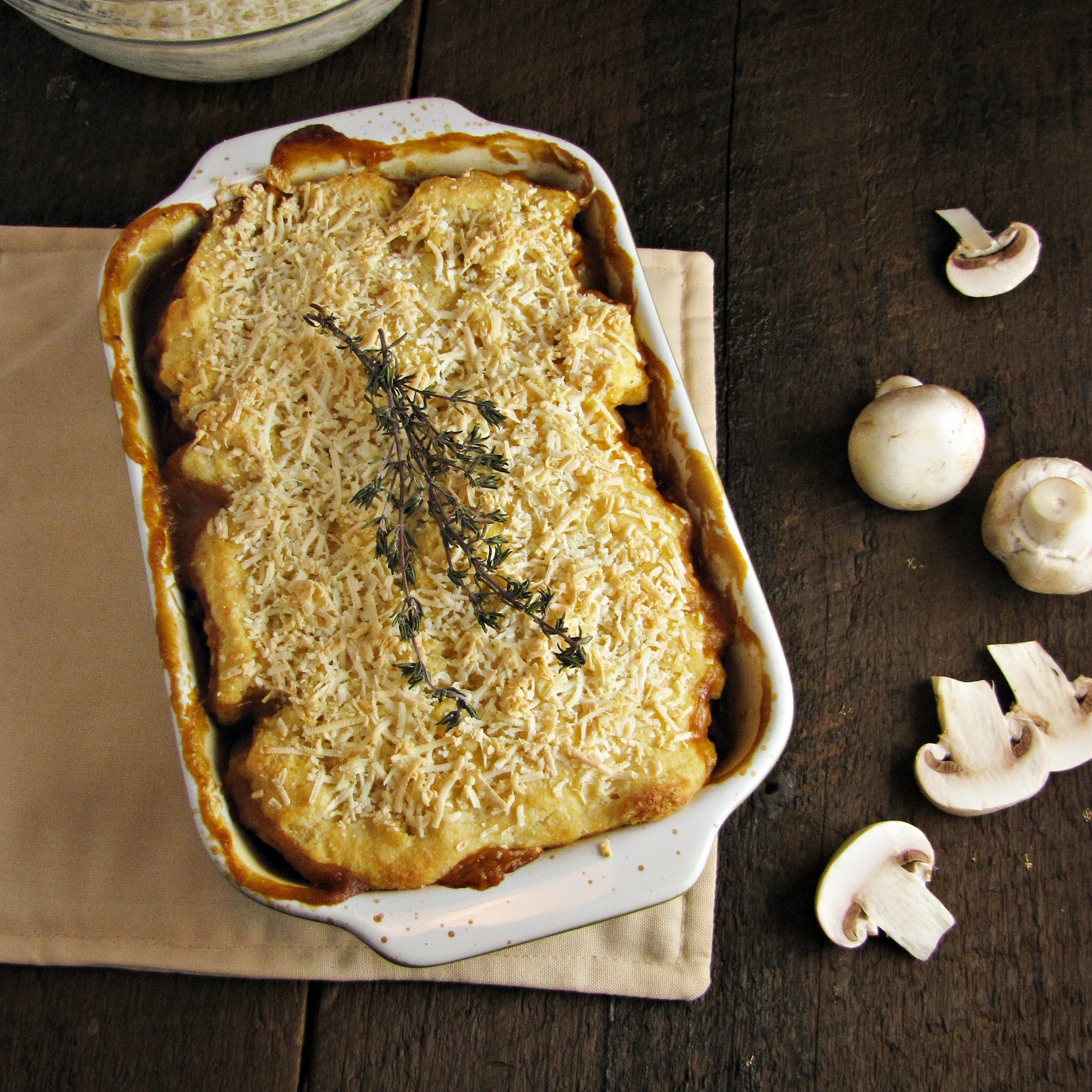
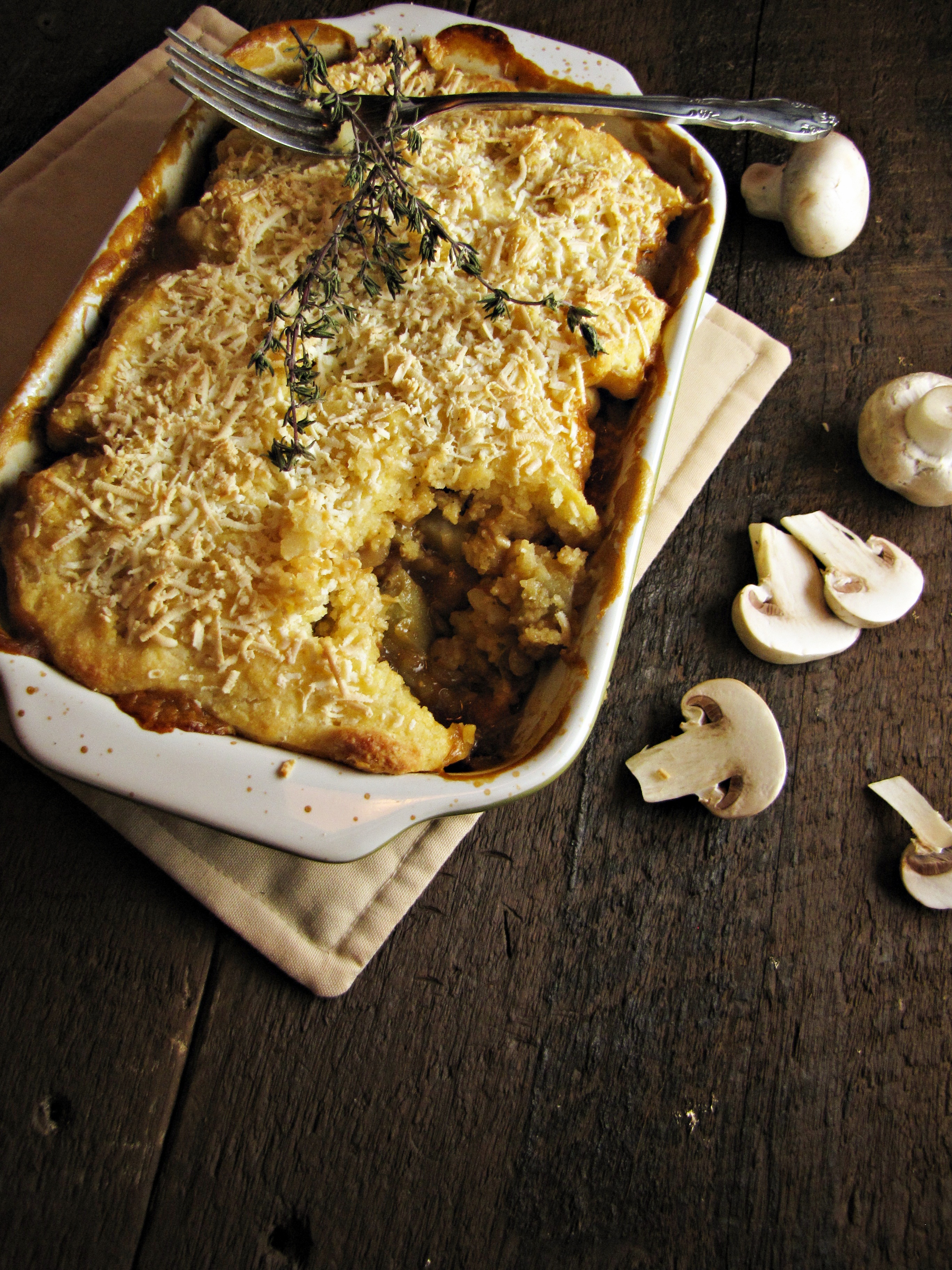
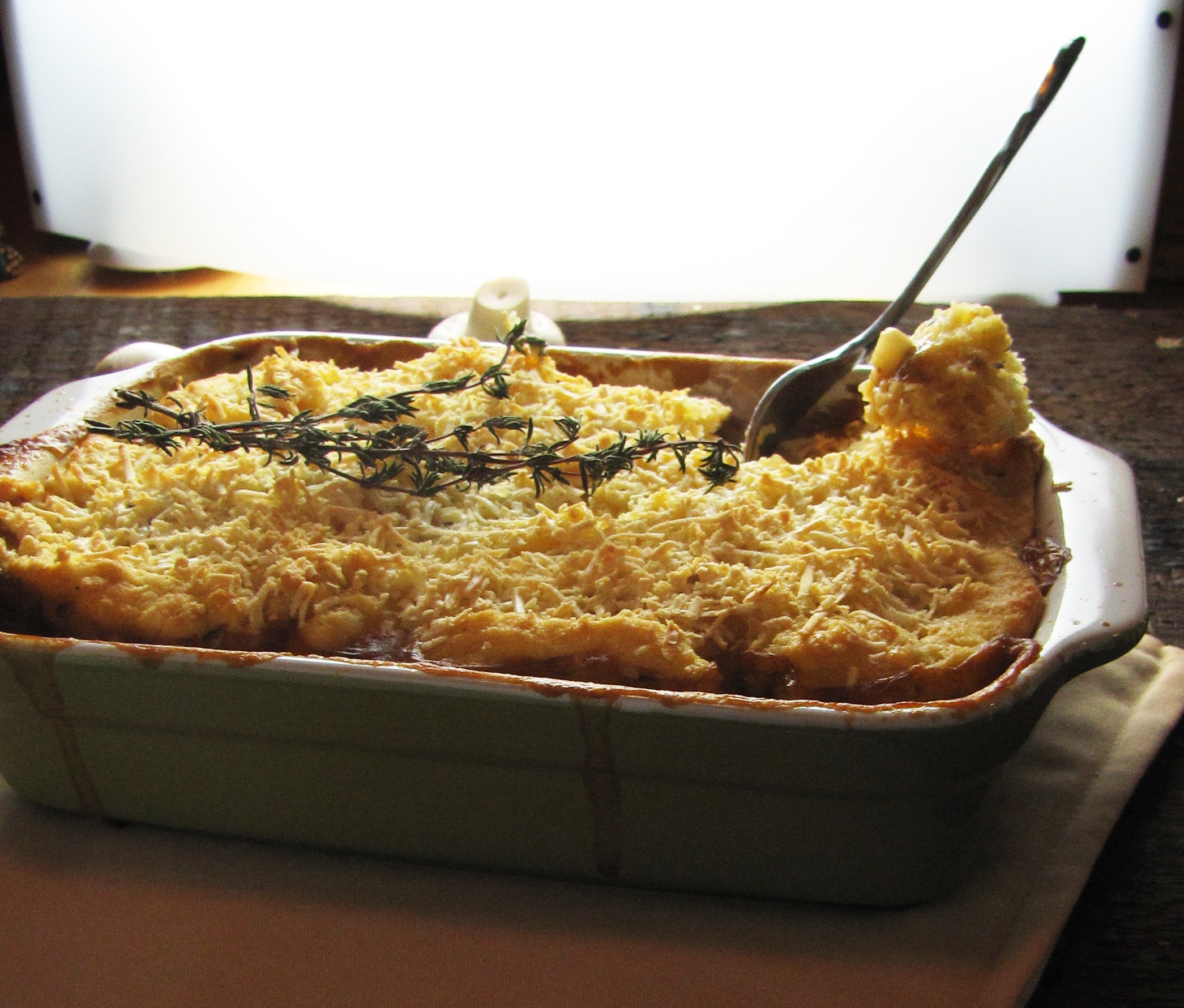
And if you don’t think you’ll ever have any desire to make your own cheese but do like to eat cheese, I can leave you with something as well – this recipe for mushroom and lentil pot pies with a buttermilk-biscuit and gouda crust.  Delicious.  It’s hearty, as satisfying as the more classic chicken version, and really healthy (well, aside from the gouda crust…) to boot.  I halved the crust recipe and froze the second half of the filling to make just enough for two servings now, and two servings later.  Enjoy!  And look forward to more cheesy successes soon.

Mushroom and Lentil Pot Pies

Recipe adapted from Pink Parsley.  Serves 4.

For the filling:

  • 1/2 c. lentils
  • salt
  • 1/3 c. dried wild mushrooms (I used Oyster mushrooms)
  • 1 TBS butter
  • 1 TBS olive oil
  • 8 oz. fresh button mushrooms, sliced
  • 1 medium onion, diced
  • 2 carrots, peeled and diced
  • 1 1/2 tsp dried sage
  • 1 tsp fresh thyme leaves
  • 2 large garlic cloves, minced
  • 2 TBS flour
  • 2 small yukon gold potatoes, washed and cut into 1/2 inch cubes
  • 1 TBS soy sauce
  • 2 TBS tomato paste

For the crust:

  • 1 c. flour
  • 6 TBS cornmeal
  • 1 1/2 tsp baking powder
  • 1/2 tsp salt
  • 4 TBS chilled butter, cut into cubes
  • 1/2 c. buttermilk
  • 3/4 c. shredded gouda cheese
  1. Cover lentils with water and add a pinch of salt.  Bring to a boil, then lower heat, and simmer, covered, for about 20-25 minutes, until lentils are soft.
  2. Pour 3 cups of boiling water over the dried mushrooms, and let steep for 20 minutes.
  3. Meanwhile, heat butter in large saucepan over medium heat, and saute mushrooms in butter until golden brown, about 4 minutes.  Add olive oil, onion, carrot, sage, and thyme, and cook for 5 minutes, stirring occasionally.  Add garlic, and cook for 1 minute, stirring, then add flour, and stir to coat vegetables, cooking for about 1 minute.   Add potatoes, soy sauce, tomato paste, and the warm soaking liquid from the dried mushrooms – reserve the rehydrated mushrooms, chop them into small pieces, and then add to the mushroom-potato mixture.  Bring the mixture to a boil, then reduce heat, and simmer, covered, for 12-15 minutes, until potatoes are firm-tender.  (They will soften more in the oven).  When you cover the potatoes, begin preheating your oven to 400°F.
  4. Make the crust: whisk the flour, cornmeal, baking powder, and salt together in a small bowl.  Mix in cold butter pieces with a fork or pastry cutter, mashing the butter pieces into the flour mixture, until the dough has a coarse, crumbly texture.  Add the buttermilk and stir until the dough comes together.  Knead dough briefly, about 1 minute, then stretch into a piece large enough to cover your baking dish.
  5. Add the lentils to the cooked potato-mushroom mixture and stir to combine.  Remove from heat and spoon into baking dish.   Cover lentil-mushroom-potato mixture with prepared dough, stretching to cover edges of dish, then top with shredded gouda.  Bake for 25 minutes, or until potatoes are fully tender and crust is golden brown.  You may want to place a baking sheet under your baking dish to catch any of the mixture that bubbles over the edges of the pan.  Serve hot.  Reheats well!

Cookbook of the Month – Lucid Food

0 January 31, 2012 Cookbook

Cookbook of the Month – Lucid Food

Here I am, January 31st, squeezing in the cookbook of the month post!  It’s been a busy, but good month.  It only seems appropriate that the cookbook of the month be Louisa Shafia’s “Lucid Food: Cooking for an Eco-Conscious Life,” as so many of the recipes from my cleanse (which pretty much consumed the first two weeks of my January) came from it.  In fact, this is probably the single cookbook that I own that I’ve cooked the most recipes from, coming in at a total of 12 I’ve tried in the year that I’ve owned the book.  For someone who usually bookmarks 20 recipes per cookbook and then makes one, maybe two of those 20, this feels like quite an accomplishment.  Maybe it’s because it’s lightweight and paperback and easy to tote back and forth to the kitchen, or maybe it’s because the recipes are consistently healthy and intriguing, but for whatever reason I keep coming back to this book.
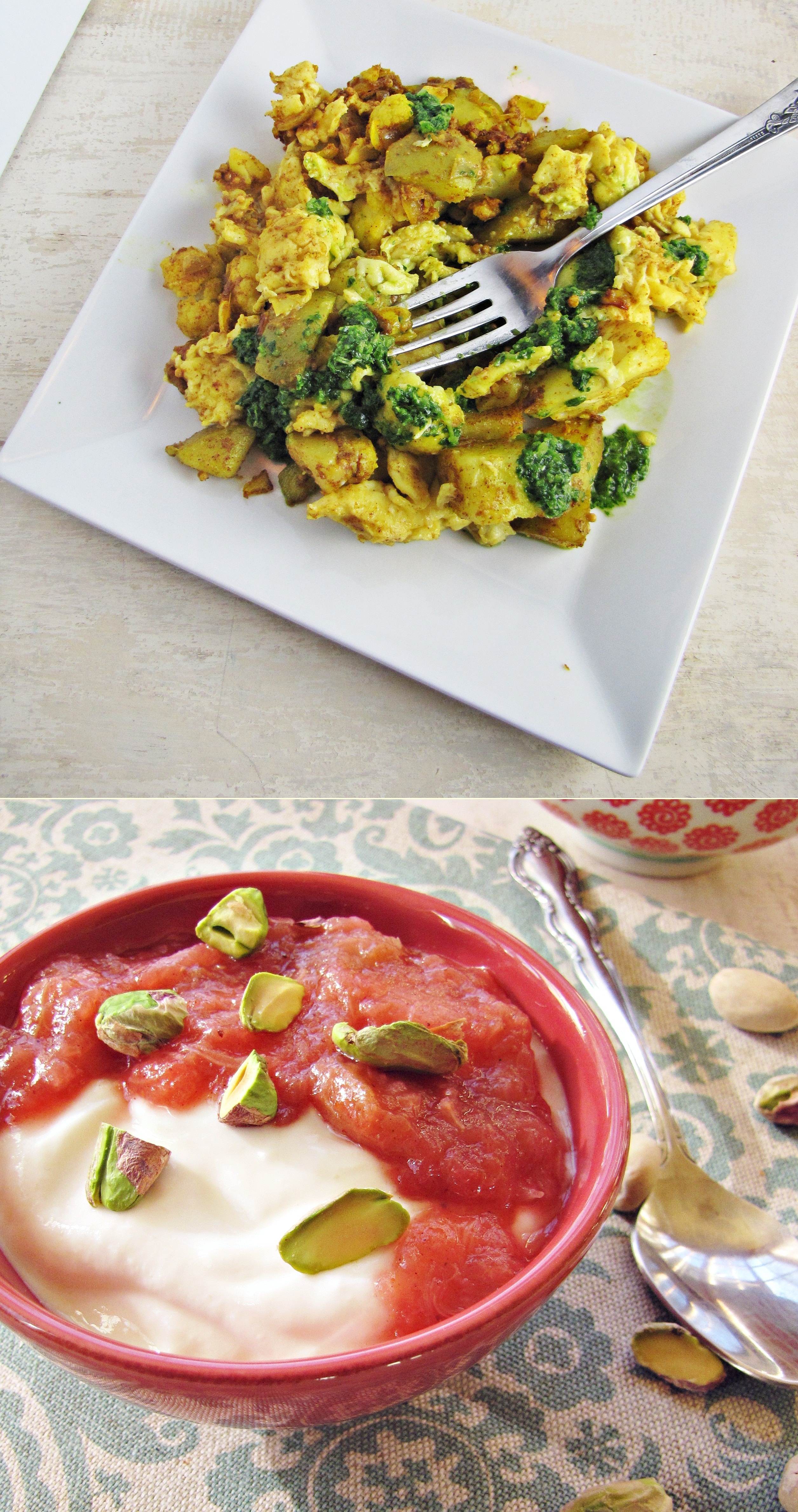
That’s not to say that this book has the best recipes I’ve encountered – in fact, I would say that in general the recipes in Lucid Food are solid but not mind-blowing.  Which is a little disappointing, as I really want to love this book.  This is one of two cookbooks I ordered as a present for myself to celebrate accepting my job offer last spring (I know, I really live it up, right?)  I had flipped through this in a bookstore and was intrigued by both the recipes (all of which were unique and fresh) and the theme that ties the book together – that living and eating eco-consciously can be easy and delicious, while still helping the environment.  Truth be told, I’m not one of the “greenest” people out there, and I don’t think I’ll ever be an extremist of any sort, but I do think that there are great benefits to eating in season as much as possible, even if only because it makes our food taste better.  So I like this book a lot in theory, and am repeatedly drawn to the style of eating – hearty grains, roasted veggies, interesting and flavorful sauces – but in practice the quality of the recipes is inconsistent.  Examples?  I’ve tried the raw kale and avocado salad and absolutely loved it, but the roasted fennel with cranberries and chestnuts didn’t do it for me.  Also good were the indian spiced scrambled eggs with cilantro-jalapeno sauce, and gold beet barley risotto, but the indonesian corn fritters and grape and ginger chicken were mediocre.  I’ve also tried the apple pomegranate sangria, the nutty banana shake, the green smoothie, and the rhubarb and pistachio yogurt, with mixed results.  Still, I’ve found a few favorites in this book, and I still have a dozen or so recipes I’ve bookmarked to try, so it’s definitely a book that I consider worth having – it’s just not perfect.

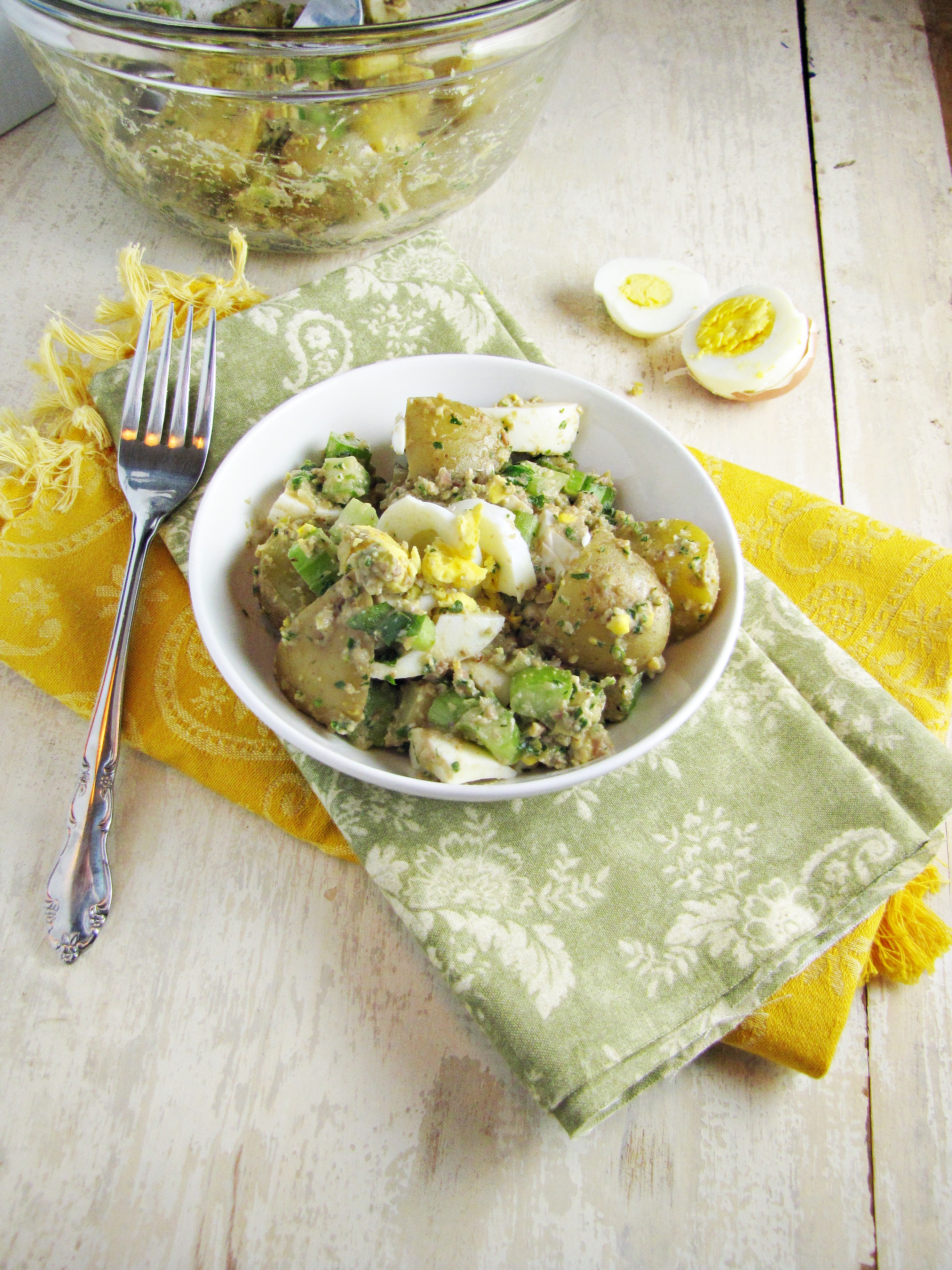
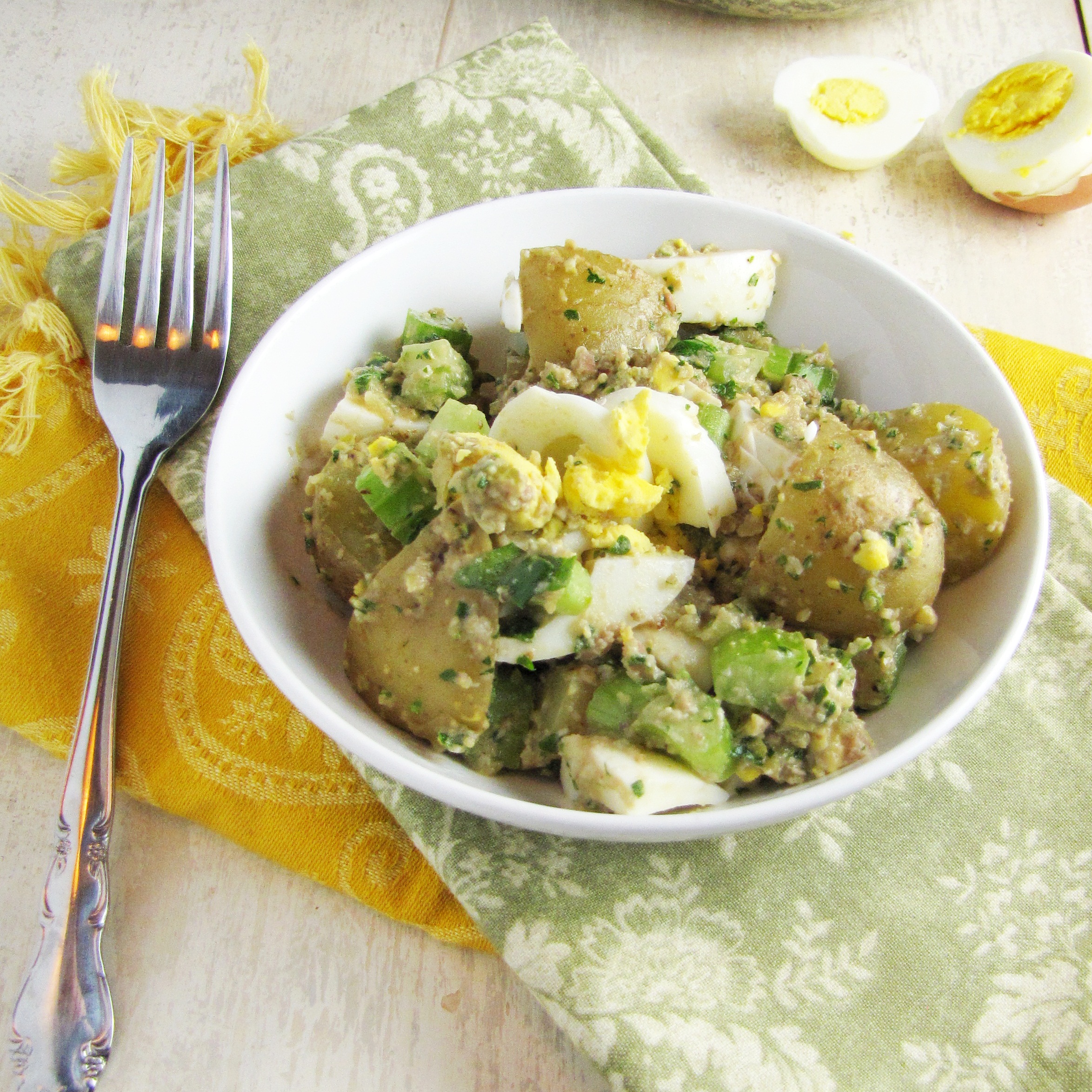
One recipe from this book that truly is a gem is this recipe for new potato, egg, and green olive pesto salad.  I actually had this on my list of posts for this past summer, as it’s perfect picnic food, but I kept making it and eating it all before I got a chance to take pictures.  The fact that my friends with whom I shared this on my summer picnics loved it so much that I never had leftovers to bring home didn’t help the photo-taking aspect either.  When I was flipping through Lucid Food the other day though, noting which recipes I’d tried and which ones were on my short list, I realized that this recipe really doesn’t have any ingredients that are particularly seasonal – olives, potatoes, eggs, walnuts, celery… they’re all either available year round or you really can’t get them locally in the Northeast, so I figured I’d share my favorite recipe from the book even though it’s lighter, summery fare and we’re in the middle of the winter.  It’s been a mild winter anyway – I got a sunburn visiting DC last weekend.  Maybe I’ll even take this on a winter picnic.

Eggs and New Potatoes with Green Olive Pesto

Adapted slightly from Lucid Food.  Serves 3.

  • 6 eggs
  • 1 TBS white vinegar
  • salt and pepper
  • 1 1/2 c. cubed new potatoes
  • 1/4 c. packed fresh parsley leaves
  • 3 anchovy filets
  • 6-10 green olives, pitted
  • 1/4 c. walnuts
  • 1 TBS lemon juice
  • 3 TBS olive oil
  • 1 large celery stalks, trimmed and cut into small cubes
  1. Make the pesto: combine parsley, anchovies, olives, walnuts, and lemon juice in a food processor and pulse until coarsely chopped.  Add olive oil (in a drizzle while food processor is running if you have a food processor that does that, otherwise all at once) and process until pesto is uniform in texture but not completely smooth.
  2. In a small saucepan, cover eggs with cold water, add vinegar and a generous dash of salt, and bring to a boil over medium-high heat.  Cover pot, reduce to a simmer, and simmer for 1 minute, then turn heat off and let pot sit, covered, for 15 minutes.  Drain hot water off eggs and rinse under cold water until cool enough to handle, then peel, discarding shells, and chop hard-boiled eggs into small pieces.  Add to a large bowl.
  3. Cover the potato cubes with cold water and add a dash of salt, then bring to a boil over medium heat.  Reduce heat to a simmer, cover, and simmer for 3-4 minutes, until potatoes are tender.  Drain and toss with eggs.  Add celery pieces and pesto to bowl and toss together.  Serve at room temperature or cold.  Keeps for 2-3 days in fridge.
Broccoli and Edamame Soup

1 January 23, 2012 Recipe

Broccoli and Edamame Soup

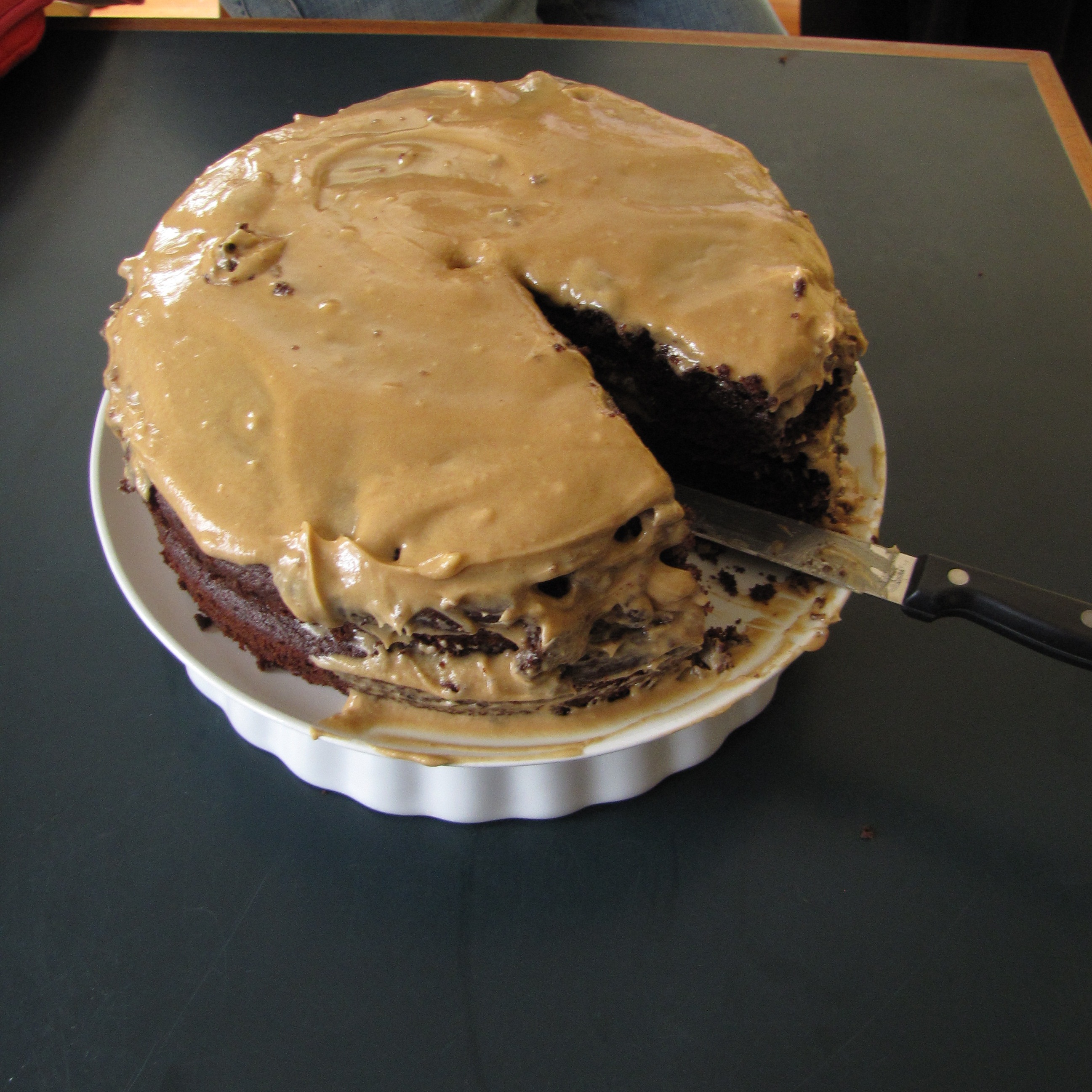
I bet you thought that now that I’m done with my cleanse, I’d go straight back to posting recipes for things that included a lot of cheese, cream, flour, and or/chocolate.  Well… that was the plan, it’s just that things don’t always go according to plan.  This post was supposed to be about a chocolate stout layer cake with boozy peanut butter frosting, which I made yesterday for Trevor to celebrate his newfound employment.  It was going to be delicious and towering and gorgeous.  And, well… it was delicious, but let’s just say I’ve added “learning to make attractive layer cakes” to my 2012 kitchen to-do list.  The recipe is decadent and definitely worth sharing, so I might have to try again soon, but if you see the below you’ll understand whyI’m holding off for now… not too pretty.

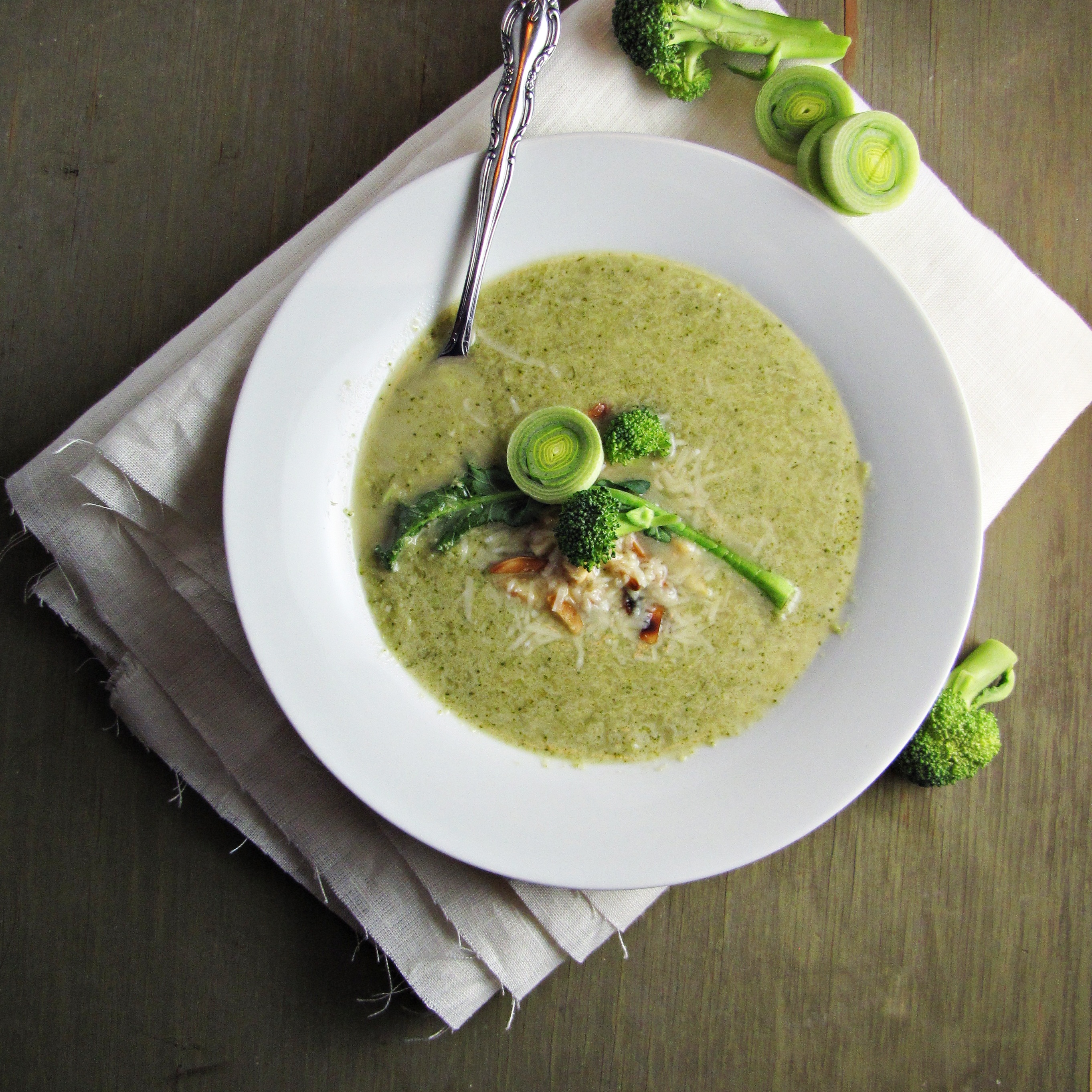
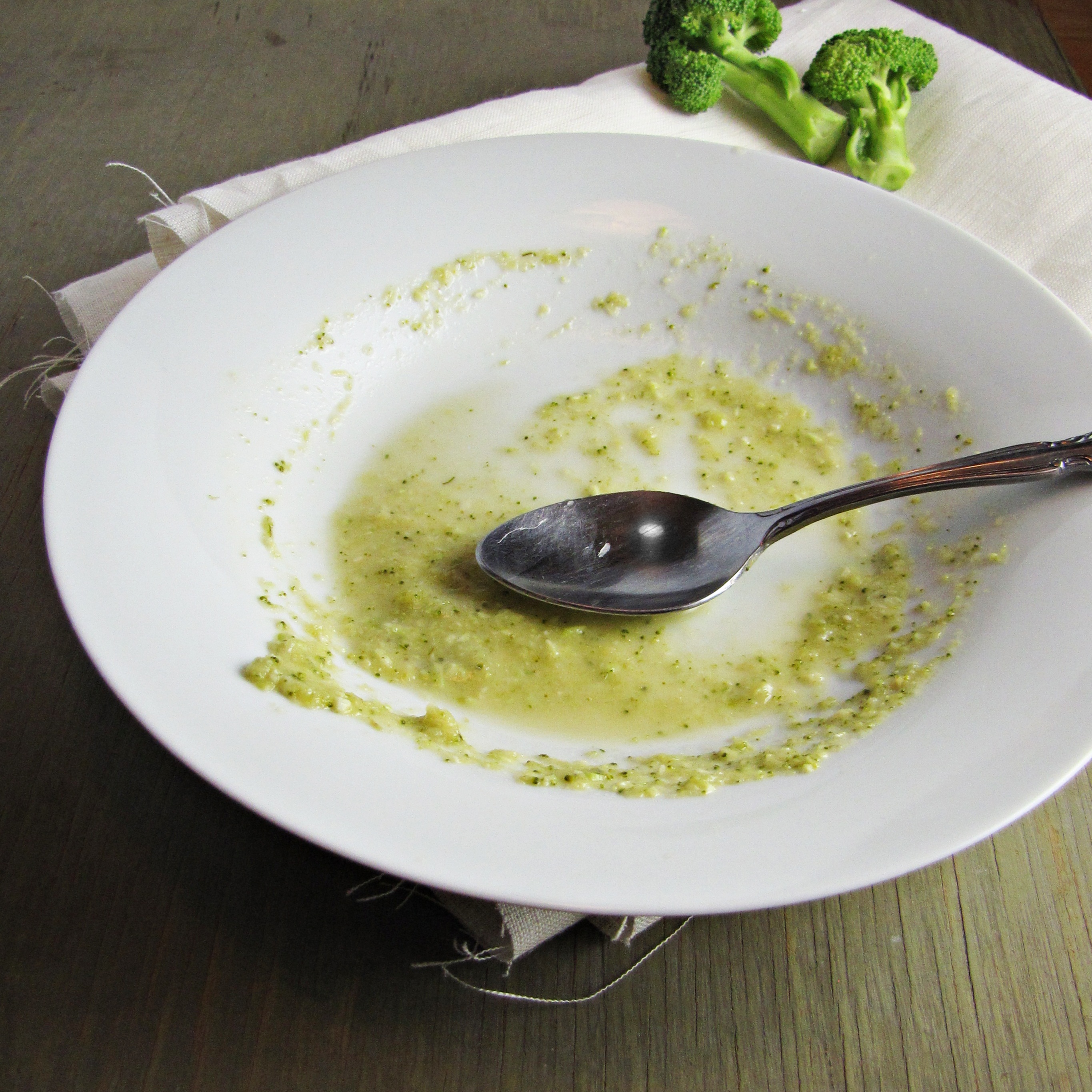
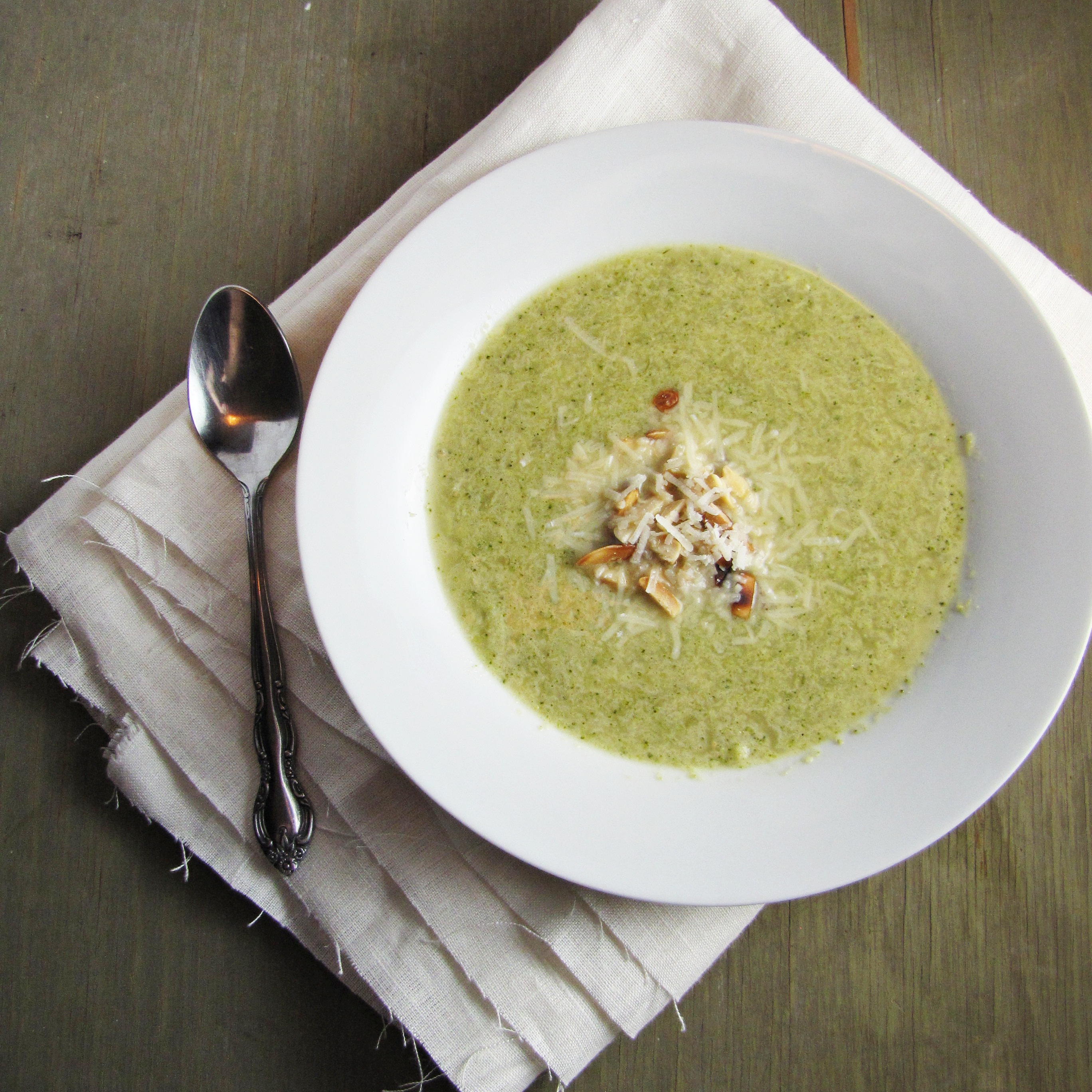
And so, we have my unexpectedly delicious and healthy dinner instead!  This soup was super fast to throw together, very flavorful, filling, and packed with good nutritious stuff.  It does have cheese and cream, so it’s not exactly cleanse-worthy, but it’s a good extension of my healthy eating plan.  I was originally following this recipe on Lucullian delights, but then thought of this amazing roasted broccoli recipe (which I like with toasted almonds in place of the pine nuts), and decided to add the flavor-profile of that dish to the soup.  I also added leeks, for depth, and served the soup with a few raw broccoli florets on top, which added a great textural contrast.  This one’s definitely going in the books for when I need a quick dose of good green stuff, or even for an easy and fairly elegant first course soup.  You probably have most of the ingredients on hand, so give it a try sometime!

Broccoli and Edamame Soup with Almonds and Parmesan

Inspired by this and this.  Serves 3-4.

  • 2 or 3 medium heads broccoli
  • 1 leek
  • 3 scallions
  • 2 TBS olive oil
  • 1 c. frozen, shelled edamame
  • 4 c. chicken stock
  • 1 TBS lemon juice
  • 3 TBS heavy cream
  • 1/3 c. grated parmesan
  • 1/4 c. toasted almonds for garnish
  • freshly ground black pepper
  1. Remove the stalks from the broccoli and the green parts and roots from the leeks and scallions, and rinse all vegetables, being sure to rinse inside the leek.  (How to clean leeks.)  Slice the leeks and onions into thin rounds, and roughly chop the broccoli into florets – reserve a few florets for garnishing the soup.  Heat the olive oil over medium heat in a large stockpot, then add leek and scallion and sautee for 3-4 minutes, until soft.  Add broccoli and edamame and cook for another 3-4 minutes, until broccoli is fragrant and beginning to soften, then add chicken stock.  Bring to a boil, then simmer gently for 15 minutes.
  2. Puree soup with an immersion or regular blender.  Stir in lemon juice, cream, and parmesan, and taste for seasoning.  Add freshly ground black pepper to taste, then garnish with toasted almonds, broccoli florets, and an extra sprinkle of parmesan.

Winter Cleanse: Week 2 – Menu and Recipes

0 January 17, 2012 Recipe

Winter Cleanse: Week 2 – Menu and Recipes

Week 2 did not go so hot.  I just … got tired.  I stopped for a sandwich one night on the way home from work because going to the grocery store sounded unbearable.  I had a muffin at our staff meeting.  I went out for lunch to celebrate the arrival of some new coworkers, and the departure of two others.  I may or may not have had a glass of wine while making the golden beet and barley risotto.  It happens.  But, what I did not do was beat myself up over it.  Or give up entirely.  Yes, I let my standards slide a little.  But I also made some excellent new healthy dishes, like roasted fennel stuffed with cranberries, chestnuts, and mushrooms.  And meyer lemon pesto.  And toasted quinoa and kalamata salad.  So all in all, it was worth it.

The menu below does not reflect exactly what I ate last week, but it’s pretty close, and I have tried and tested all of the recipes on it.  I did let a small amount of cheese and bread sneak onto my plate, and I’ve decided to leave that reflected below, because everyone needs a treat sometimes.  I also apologize for the minimal number of pictures, (I know, I know, bad blogger move after bad blogger move!), but I’m feeling a little bit rejuvenated after taking a photography break, so hopefully I’ll have some more recipes with better pictures up soon.  I hope you find the menu useful in generating your own ideas for healthy eating!

Additional “Cleanse” Posts:

  • Winter cleanse, week 1
  • Cleanse preview post

The Menu – Week 2

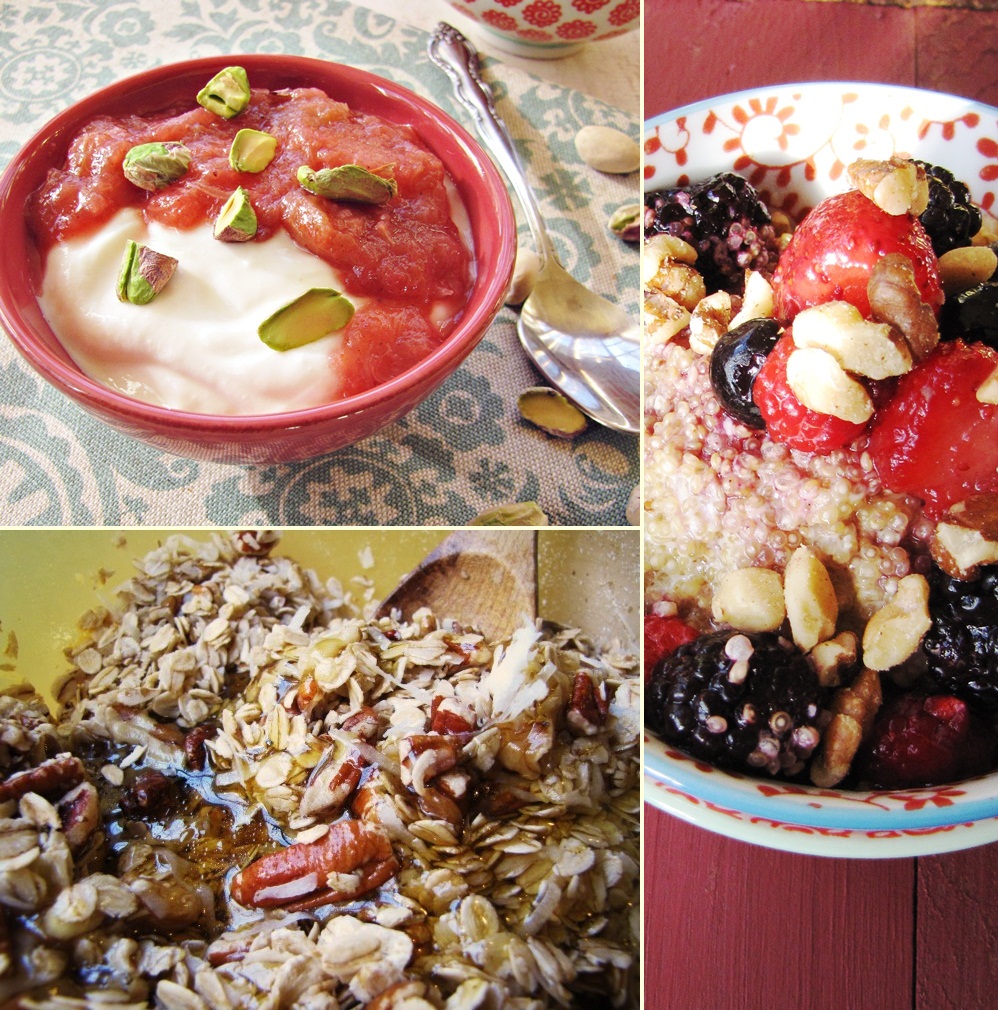
Day 8: Breakfast – Greek Yogurt w/ Fresh Strawberries and Granola; Lunch – leftover Chicken-Chili Stew and green salad (from my work cafeteria); Dinner – Roasted Fennel with Cranberries, Chestnuts, and Mushrooms (scaled down for 1 or 2 servings)

Day 9: Breakfast – leftover Indian Potatoes with (fresh) Scrambled Eggs; Lunch – leftover Fried Chickpeas and green salad (from my work cafeteria); Dinner – Lemony Gold Beet Barley Risotto (omit the cheese)

Day 10: Breakfast – Mango-Grapefruit-Berry Smoothie (juice from 1 grapefruit, 1/2 c. frozen mango, 1/2 c. frozen berries, 1 c. soymilk) plus 1 slice whole wheat toast w/ peanut butter; Lunch – leftover Gold Beet Risotto; Dinner – Peanut-buttery Carrot and Butternut Squash Soup (double the tomato paste and don’t be shy with the cayenne!)

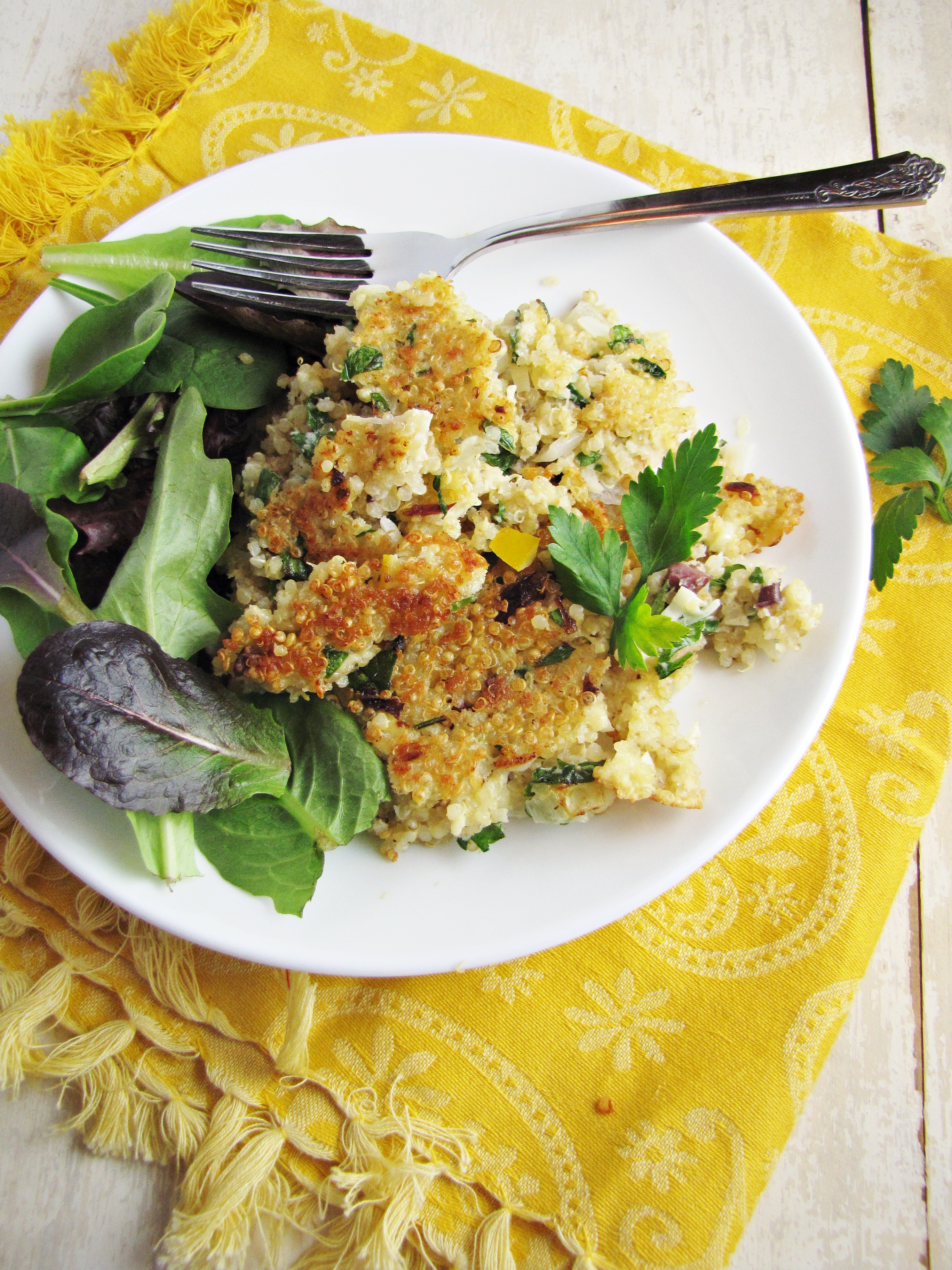
Day 11: Breakfast – Oatmeal w/ 1/2 c. berries and 1 TBS maple syrup; Lunch – Leftover carrot and squash soup; Dinner – Quinoa, Kalamata Olive, and Lemon Cakes (mine didn’t form cakes at all, so I just toasted the mixture for about 5 minutes, stirring once, and ate as a salad) plus green salad

Day 12: Breakfast – 2 scrambled eggs w/ 1 slice whole wheat toast; Lunch – Leftover quinoa/olive/lemon cakes; Dinner – Large green salad w/ 1 pear, 1/4 c. dried cherries, and 1/4 c. pecans

Day 13: Breakfast – Greek Yogurt with Rhubarb and Pistachios; Lunch – Fried egg on english muffin w/ Meyer Lemon Pesto and spinach; Dinner – Avocado-Mango Chicken w/ Spinach Salad

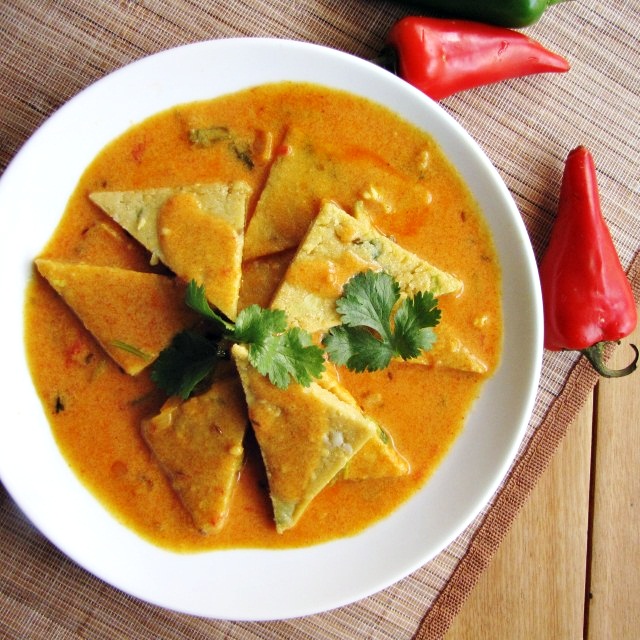
Day 14: Brunch – Pumpkin Oatmeal Pancakes; Dinner – Chickpea Dumplings in Tomato-Yogurt Sauce (one of my favorite recipes of all time)

Disclaimer: I am not a dietician, nutritionist, doctor, or medical professional of any sort.  I simply wanted to share my personal menu and goals for the past week, so please realize that I have tapered this plan to what I feel my own nutritional needs are, and carefully consider your own health needs and consult your doctor before following any diet, cleanse, or detox plan! 

Winter Cleanse: Week 1 – Menu and Recipes

3 January 9, 2012 Recipe

Winter Cleanse: Week 1 – Menu and Recipes

Here it is.  The big one.  The one that’s been occupying an unreasonable amount of my attention all week.  The “first week of the cleanse” post.

There’s going to be a lot of information packed in here, so I’ll make my introduction brief (there’s a little more info in my preview post here).  I decided to embark on two weeks of healthier-than-regular eating for a few reasons – 1. it’s January, and everyone seems to be doing that kind of thing; and 2. I was inspired by the BA food-lover’s cleanse, as well as the “Clean” program my parents did (and liked) for a whole month last year.  I really liked the idea of dieting through discovery of new, creative, healthy meals, rather than through repetition and restriction, and I wanted to create a program tailored to my own likes, dislikes, and schedule.  I do hesitate to call this a cleanse, as it really is more of a … “health plan,” and words like diet and detox and cleanse are fairly loaded.  But, one of my goals was to get some of the junk out of my system – alcohol, caffeine, and massive amounts of gluten and dairy (not necessarily bad in and of themselves, but considering the portion of my diet they make up… probably not the best) so I stuck with the word cleanse.  This menu is very much tapered to my own life – most of the meals are scaled back to two servings, one for dinner and one for lunch the next day, and there is very little meat in the menu, as I rarely eat it at home (in fact, the two chicken recipes in this week’s menu are two of the three total recipes with meat I’ve made since moving here in August).  Some of my favorite foods show up a lot – chickpeas in particular – and on the weekends I generally only eat two full meals a day, so that’s what I included in my plan.  I was pretty flexible with myself – for example, when I discovered how shitty gluten withdrawal feels I quickly worked it back into the plan, in small amounts – and I definitely allowed myself the occasional piece of chocolate to get through the week.  No cookies though, I drew the line at baked goods :-).  I also tried to keep the recipes seasonal, as that’s how I tend to cook, and am even thinking of creating a similar plan for the other seasons.  Why be health conscious only in December?
I think the most valuable component of this cleanse for me was planning every meal out in advance.  I usually plan my dinners for the week, but not which days they go on, and never breakfasts and lunches.  It was useful when temptation had me about to run out to get pizza to have a plan to look at and know what I needed to d0/eat next.  I have been seriously craving pasta carbonara (and hamburgers, and grilled cheese, and pizza) all week, but all in all, I’m pleased with how it’s going.  Plus, I did lose two pounds, so that’s a bonus.  I hope you find the menu and recipes below useful, even if they just give you a few new ideas for dinnertime this week!

My Rules, and Why

1. No coffee (one cup of black tea a day allowed) – I don’t drink a ton of coffee, but since starting a real-person job it’s definitely gone up to about 4 cups a week.  It’s not the worst thing for you, but it’s also not the best, and I prefer to feel energized and alert on my own terms when possible.  It’s easy to feel dependent on something like coffee when you don’t really need it.  Plus, my coffee usually comes in the form of a creamy, extra-sweet latte, so avoiding those extra calories when possible has its benefits too.

2. No alcohol – Another one that isn’t too hard for me, although I do love a glass of wine now and then.  Alcohol is one of those things that can be great and fun in moderation, but you can kinda tell just from the way your body reacts that it can’t be good for you, even if you haven’t been bombarded with alcohol safety information for your whole life.  Just think about it – you live in an isolated village where no one’s ever heard of booze, you discover some fermented something or other and have a rager one night, and you wake up the next morning feeling considerably worse than you usually do.  Are you going to throw another rager that night?  Maybe, but it’s not going to be because you feel like it was good for you the first time.

3. Limited gluten – Now this one is difficult for me.  At first, I was going to go totally gluten-free, but that’s before I started feeling awful part of the way through day 2 and learned about gluten withdrawal.  That changed my mind fast.  Gluten is a natural part of our diets, and has lots of health benefits, but we do tend to eat an awful lot of gluten in an extremely processed form in this day and age.  Replacing pastas, breads, and baked goods with whole grains like quinoa and brown rice is easy and unarguably good for you.

4. Limited dairy – I love, love, love all things dairy.  Glasses of milk, cheese, yogurt, butter, cream, buttermilk, etc.  This is a good thing as a young woman – my doctor always asks me if I’m getting enough calcium to protect my bones and I can always say yes.  However, dairy is also an enormous source of fat, as well as inflammatory.  My thought was that limiting it for a few weeks could both help my system recover as well as help me kick the habit of putting cheese on most of my meals.  Note: Where recipes call for milk, I just replaced it with soymilk!

5. Limited added salt and sugar – I typically put way too much salt and sugar on my food – I always have.  And it’s a really bad habit.  Trevor says he actually worries about how much salt I sometimes add to things, and it’s just not good for you to have too much of, well, anything, but salt and sugar in particular.  My blood pressure will thank me.

6. Eat one green salad a day – I like salads, but the salads I choose typically have one of the following ingredients: blue cheese, hard-boiled eggs, bacon, or massive amounts of fruit and nuts.  And sometimes I skip the greens part.  Dark leafy vegetables are super good for you, as we all know, so having at least one serving a day in a raw form is a great way to boost your consumption of healthy vitamins and minerals.  I’ve been pretty good about sticking to this, but not perfect.

The Menu

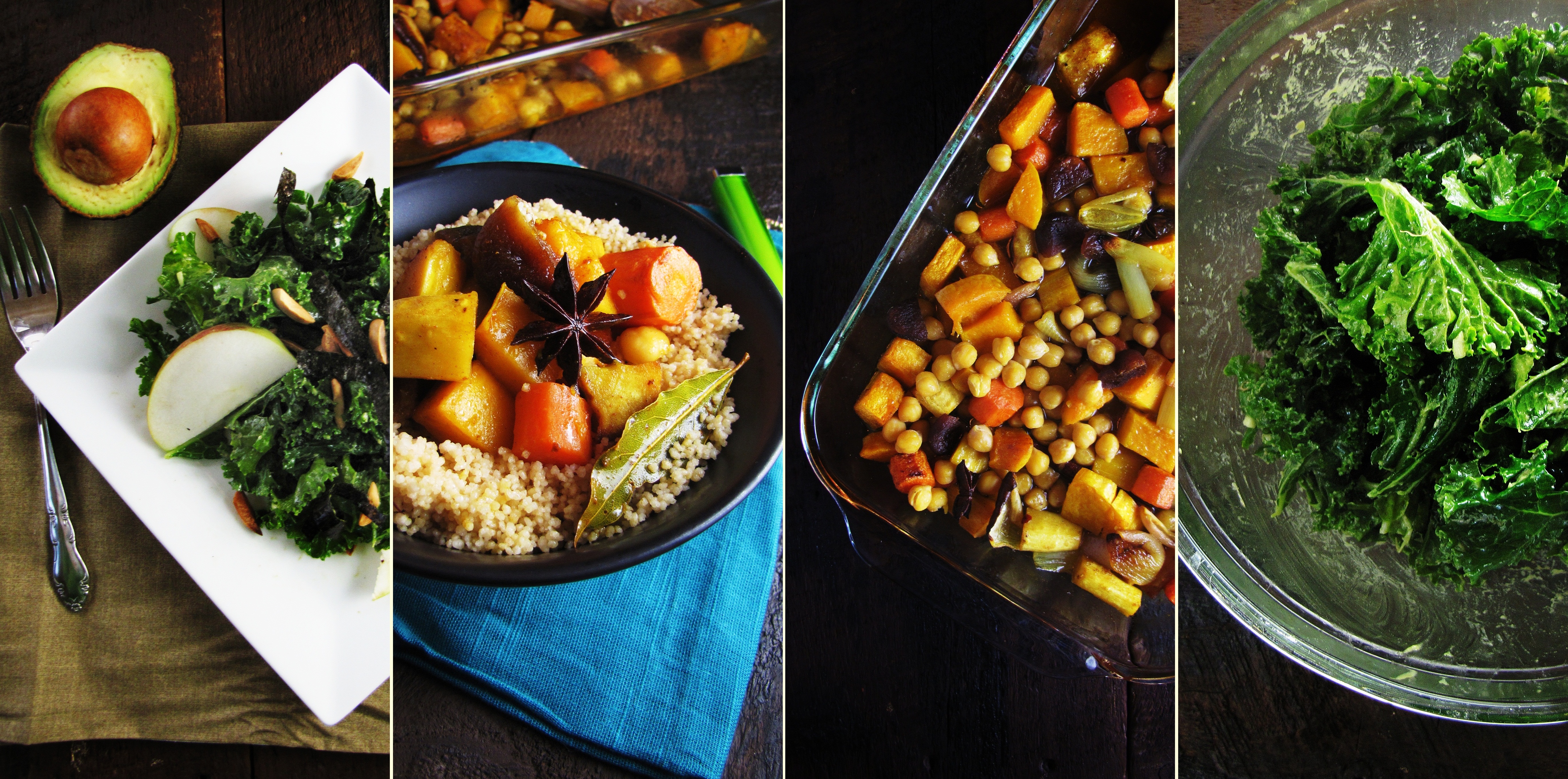
Day 1: Breakfast – Baked Eggs with Garlicky Kale; Lunch – Kale salad with avocado, almonds and nori; Dinner – Grape and Ginger Glazed Chicken w/ Arugula Mashed Potatoes

Day 2: Breakfast – Breakfast Quinoa w/ Cinnamon, Pecans, and Berries; Lunch – Leftover Chicken and Potatoes; Dinner – Udupi Dal and Leftover Kale Salad

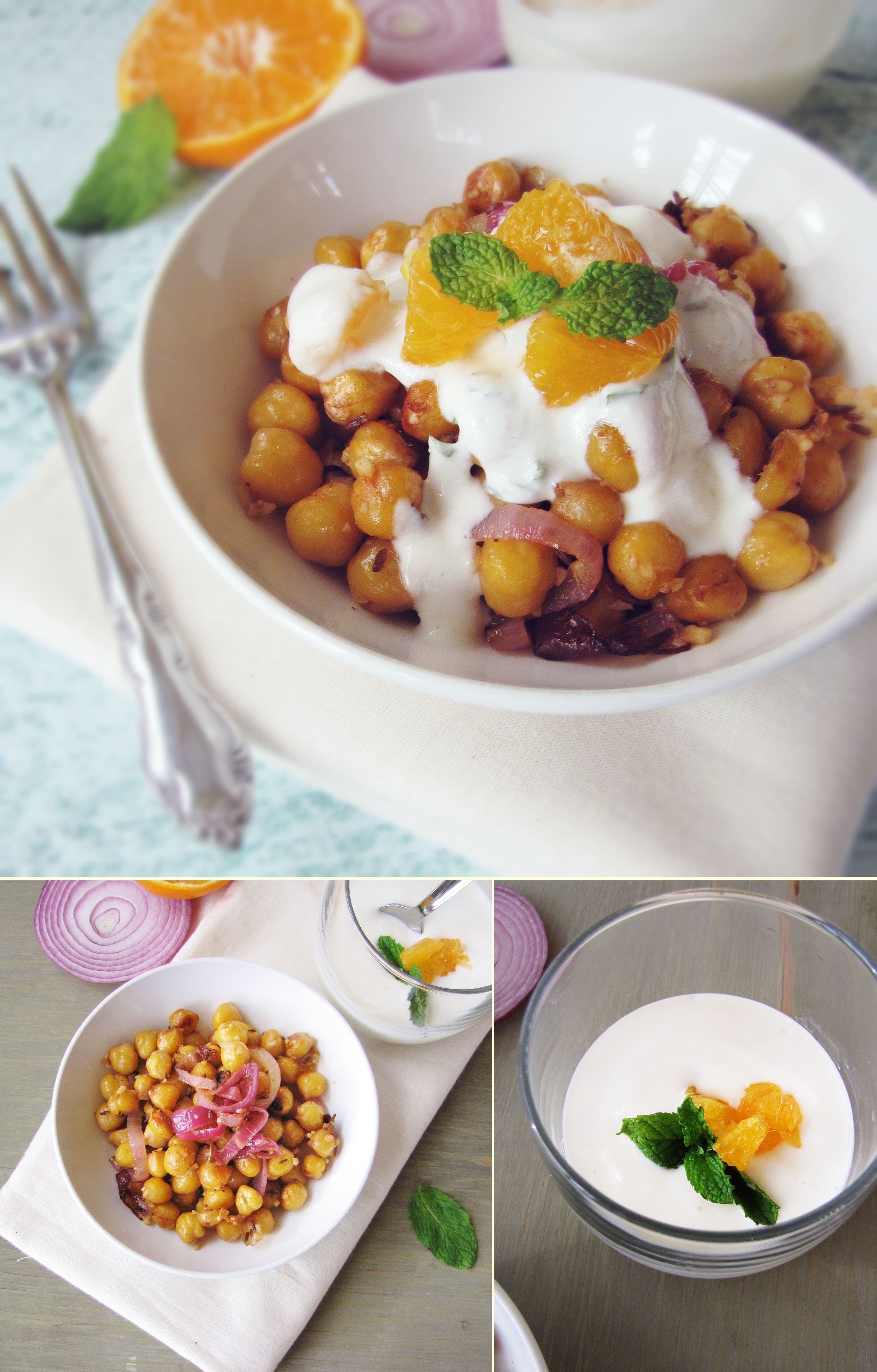
Day 3: Breakfast – Peach and Blueberry Smoothie, 1 piece of whole wheat toast w/ PB; Lunch – Leftover Udupi Dal + green salad (from work cafeteria); Dinner – Pan-Fried Chickpeas w/ Orange-Mint-Yogurt Dressing

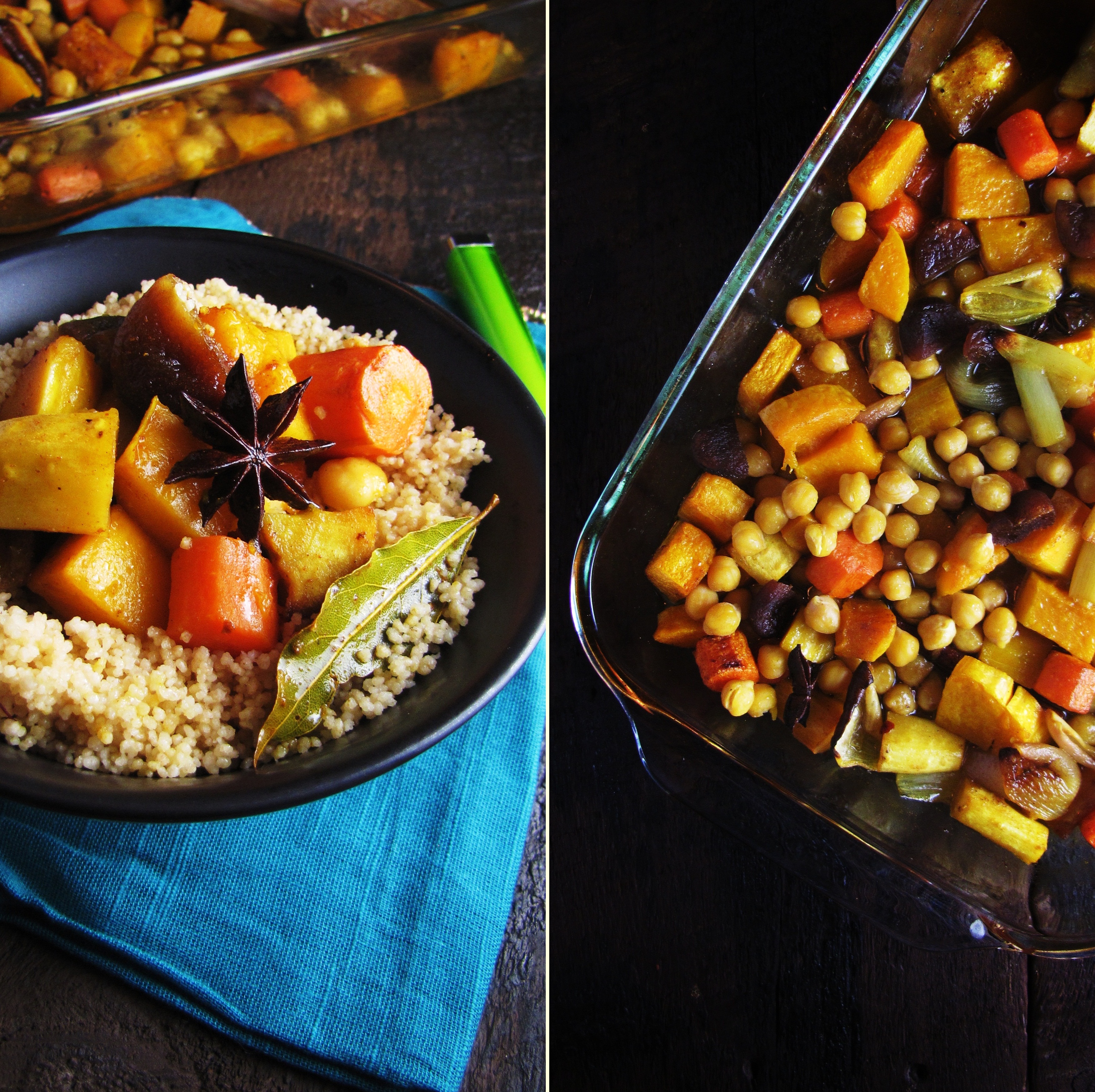
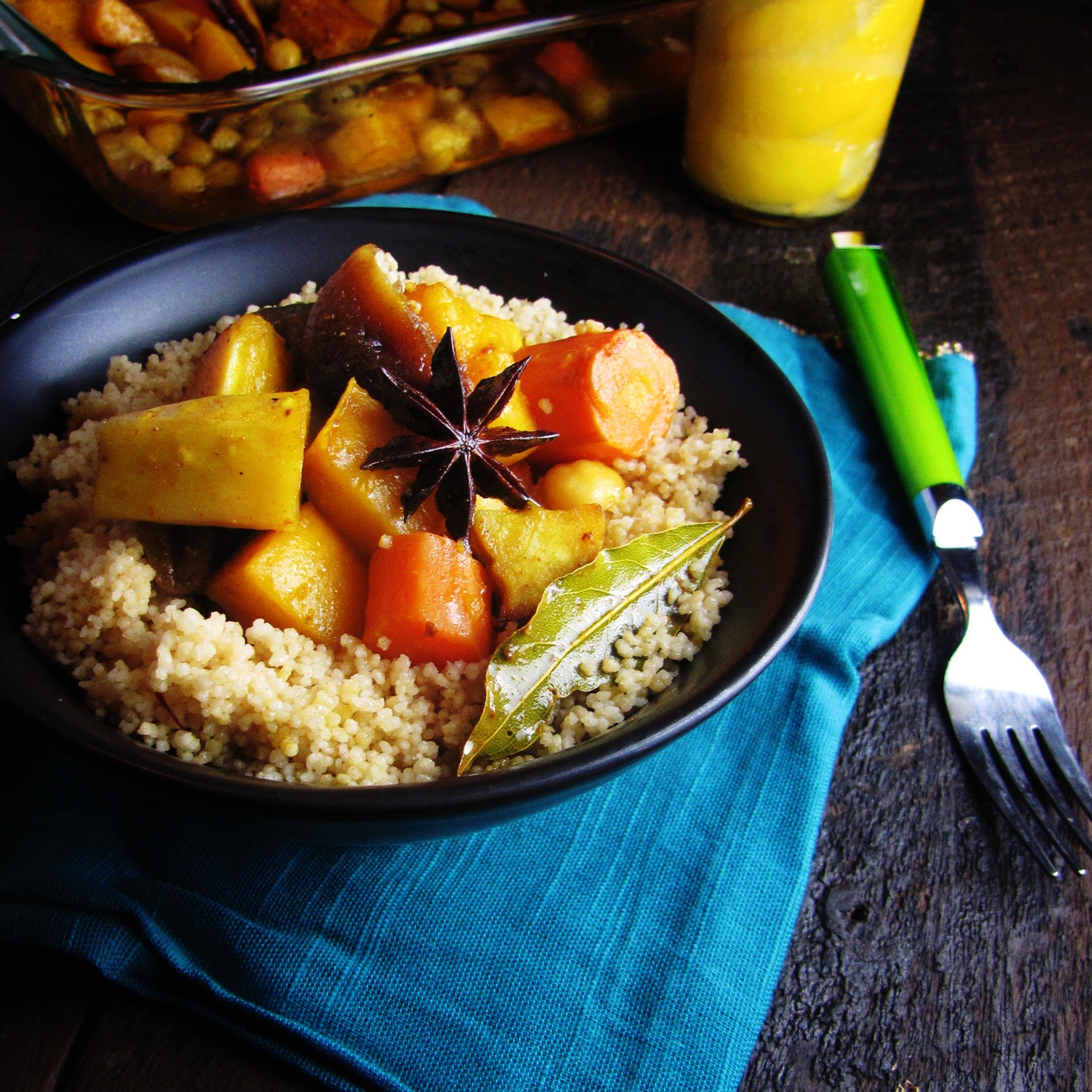
Day 4: Breakfast – Arugula, Mango, and Ginger Smoothie (strain it before drinking for a better texture!) and 2 scrambled eggs; Lunch – Leftover Fried Chickpeas + green salad (from work cafeteria); Dinner – Ultimate Winter Couscous w/ Roasted Vegetables

Day 5: Breakfast – Peanut-butter and Banana Oatmeal; Lunch – Leftover Winter Couscous and Veggies; Dinner – Went out!  Had chana masala and rice

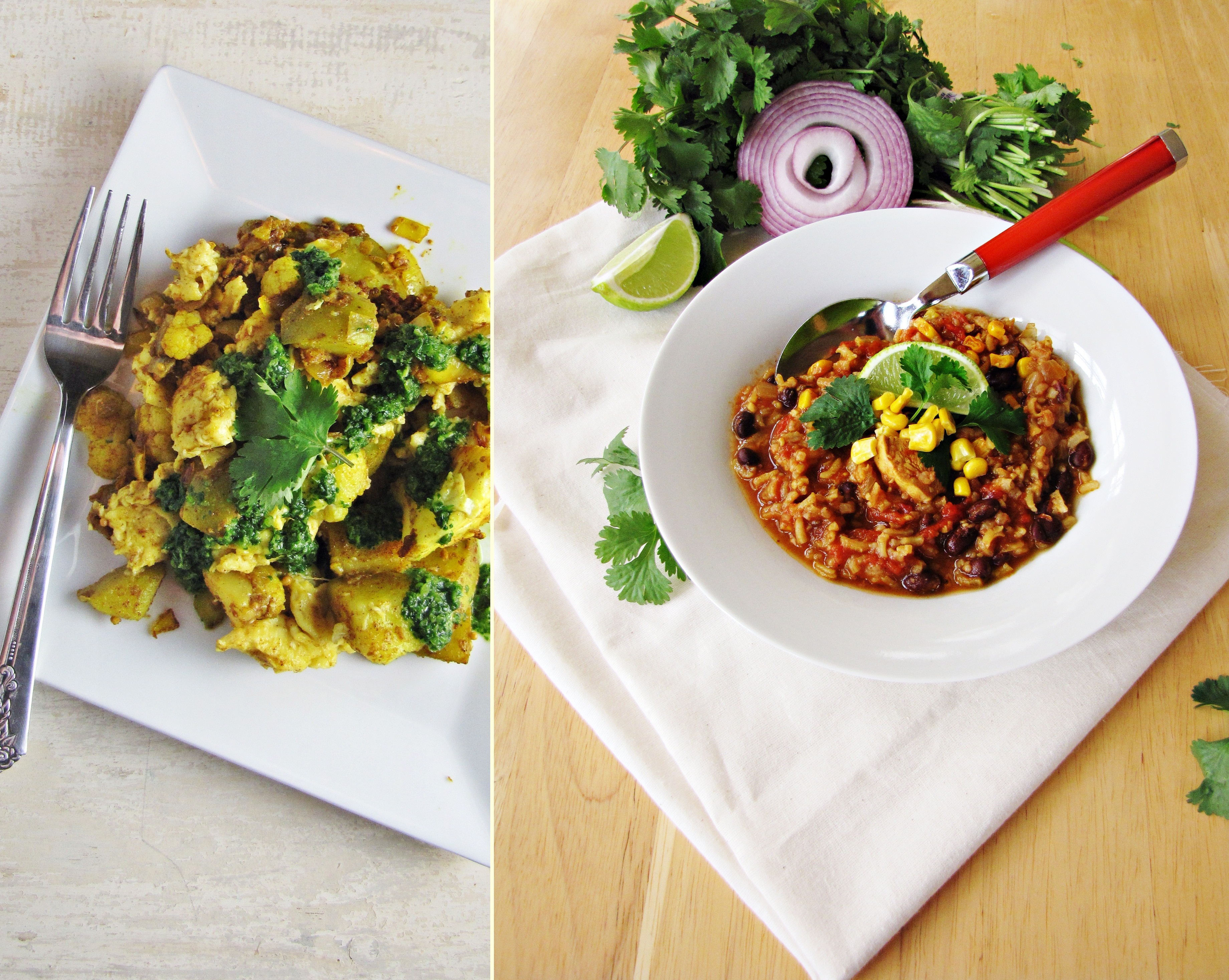
Day 6 (wknd): Brunch – Leftover Winter Couscous and Veggies; Snack – 1/2 an Avocado; Dinner – Chili-Chicken Stew w/ Black Beans and Rice

Day 7 (wknd): Breakfast – Greek Yogurt w/ Berries and Pistachios; Lunch – Pan-Fried Chickpeas (again… they’re really good!); Dinner – Indian Scrambled Eggs w/ Cilantro-Jalapeno Sauce

Week 2 Menu is now available!

Disclaimer: I am not a dietician, nutritionist, doctor, or medical professional of any sort.  I simply wanted to share my personal menu and goals for the past week, so please realize that I have tapered this plan to what I feel my own nutritional needs are, and carefully consider your own health needs and consult your doctor before following any diet, cleanse, or detox plan! 

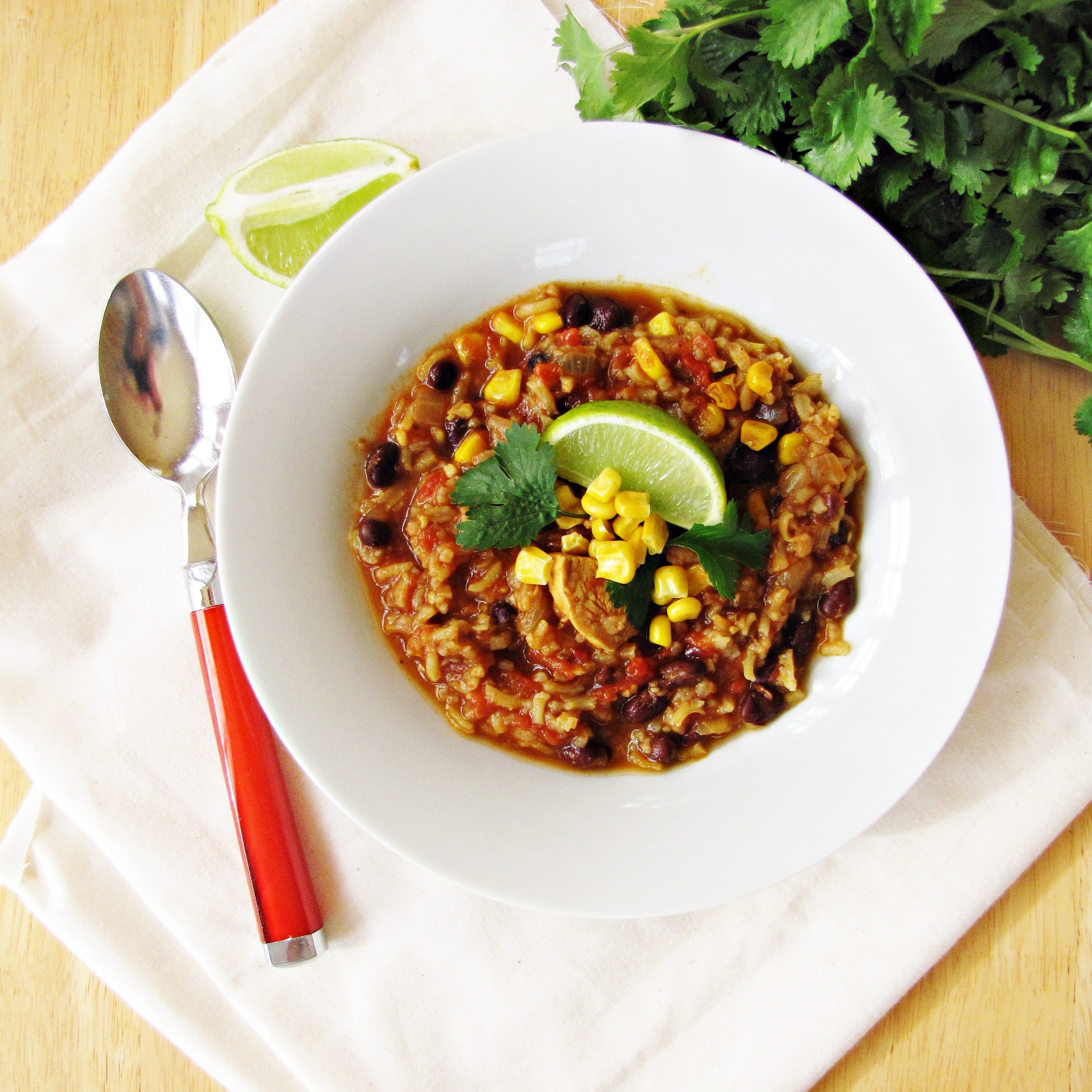
Chili-Chicken Stew with Black Beans and Rice

3 January 8, 2012 Food

Chili-Chicken Stew with Black Beans and Rice

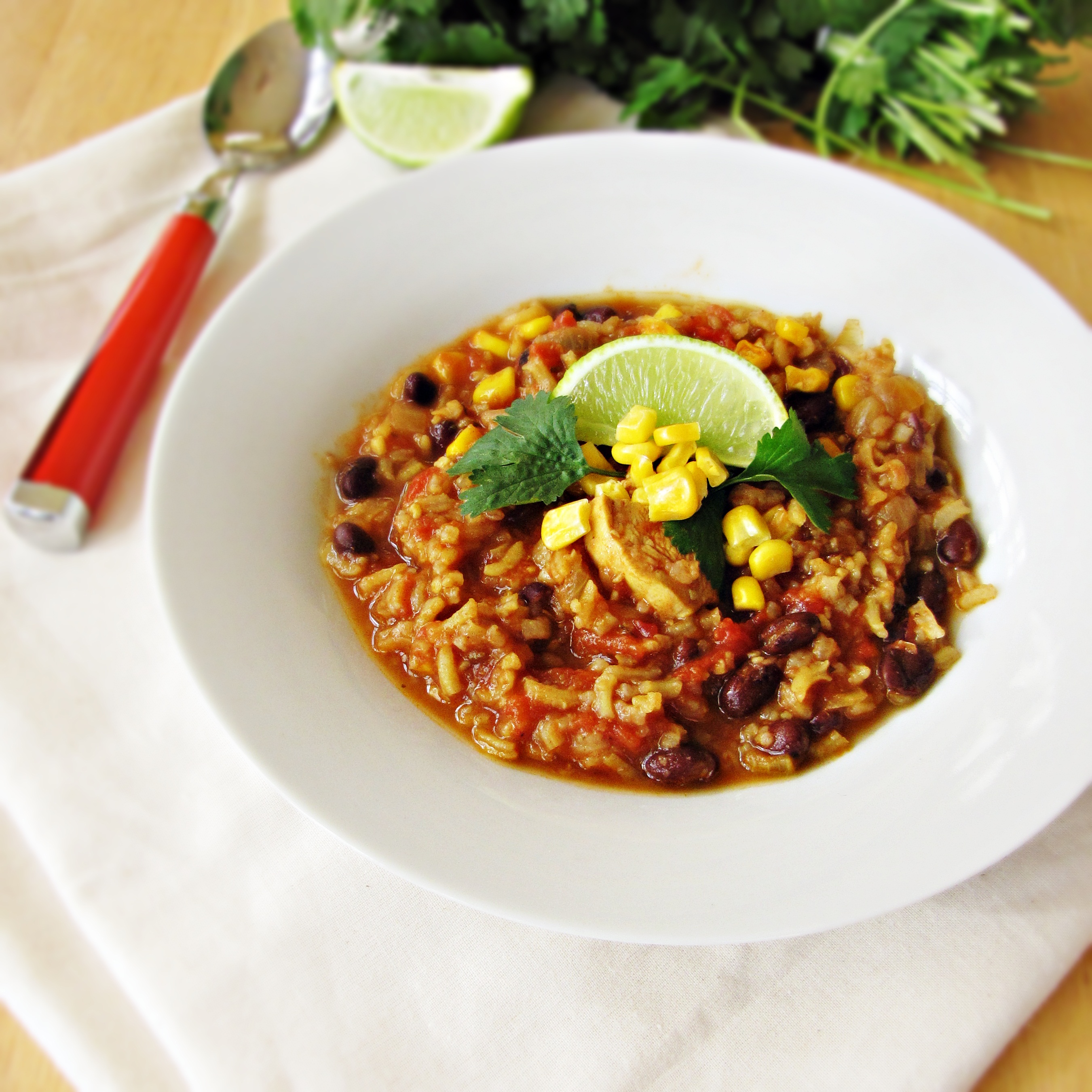
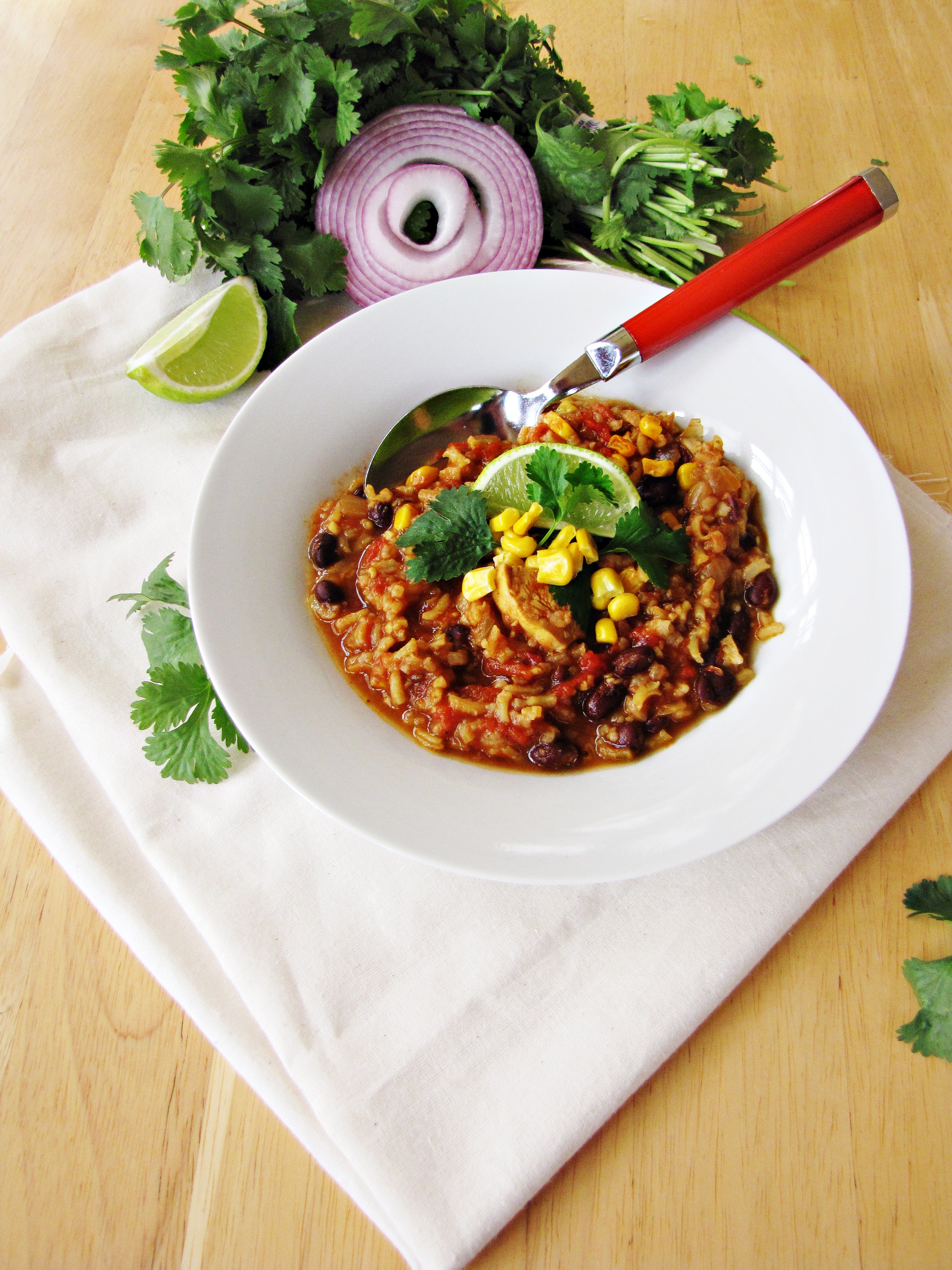
I really wanted to call this “the fastest soup in the west.”  ‘Cuz, you know, I just cut up some chicken and opened some cans and threw in some spices and BAM, there was dinner.  No pre-meditation, just a sudden flash of inspiration followed by a rush to the kitchen to create the meal I has just tasted in my imagination.  And, you know, it’s Southwestern, and it was fast, so… fastest soup in the west?  Yes?  Man, my cheesy side is just dying to get out right now.  Dying.  But I feel a little better at least having told you how kinda-funny I think I am.

Anyway, this recipe was created mostly out of laziness.  On the cleanse menu for Saturday night was Pink Parsley’s Red Chile Chicken with Black Beans and Rice, which has been on my to-make list for almost forever, but I was procrastinating making dinner because I didn’t feel like making multiple components to a meal (although on looking back at that recipe, it actually is pretty easy.  Still, one pan is better than two).  Plus, I wanted soup.  Big, hearty, spicy soup.  So I took the four ingredients in the name of that recipe (chile, chicken, black beans, and rice), and morphed them into a soup in my head.  And once I got the idea of a spicy, tomatoey chicken soup, I couldn’t shake it, so I went down to the kitchen and made the soup I was imagining.  And it turned out really good, for very, very minimal effort. So I wrote down the recipe, and here it is.  Make it when you’re feeling under the weather or lazy or bland or too tired to make anything else, and I’m pretty sure you’ll be pleased with the results.

I included this recipe as part of my winter cleanse rotation – you can find the rest of the recipes for the week here.

Chili-Chicken Stew with Black Beans and Rice

A Katie at the Kitchen Door original.  Serves 4.

  • 2 TBS olive oil
  • 1 onion, diced
  • 1 TBS minced garlic
  • 2 chicken breasts, cut into bite sized pieces
  • 2 tsp sauce from canned chipotles in adobo
  • 1 TBS harissa (or chili-powder, adjust amount to spiciness of your favorite brand of chili powder)
  • 2 tsp dried oregano
  • 1 (28-oz.) can crushed tomatoes
  • 1 (15 oz.) can black beans, rinsed and drained
  • 3/4 c. rice
  • 3 c. chicken stock
  • 1 c. water
  • 1 bay leaf
  • 1/2 c. frozen corn
  • fresh cilantro, lime wedges, and jack cheese for garnish (optional)
  1. Heat olive oil in a large saucepan over medium-heat, and add onion once oil is hot.  Sautee onion for 3-4 minutes, until translucent, then add garlic, and sautee for another minute.  Add chicken pieces, chipotle sauce, harissa, and oregano, and brown chicken on all sides, which should take about 2-3 minutes, stirring frequently.
  2. Add tomatoes, beans, rice, stock, water, and bay leaf to pot.  Bring to a boil, then lower heat and simmer on low, uncovered, for about 30 minutes.  Check pot occasionally during this time, and add water if necessary to keep rice covered.  After 30 minutes, check chicken and rice for doneness, then add frozen corn and cook for another 2 minutes.  Remove from heat, and serve hot, garnished with cilantro, freshly squeezed lime juice, and jack cheese.
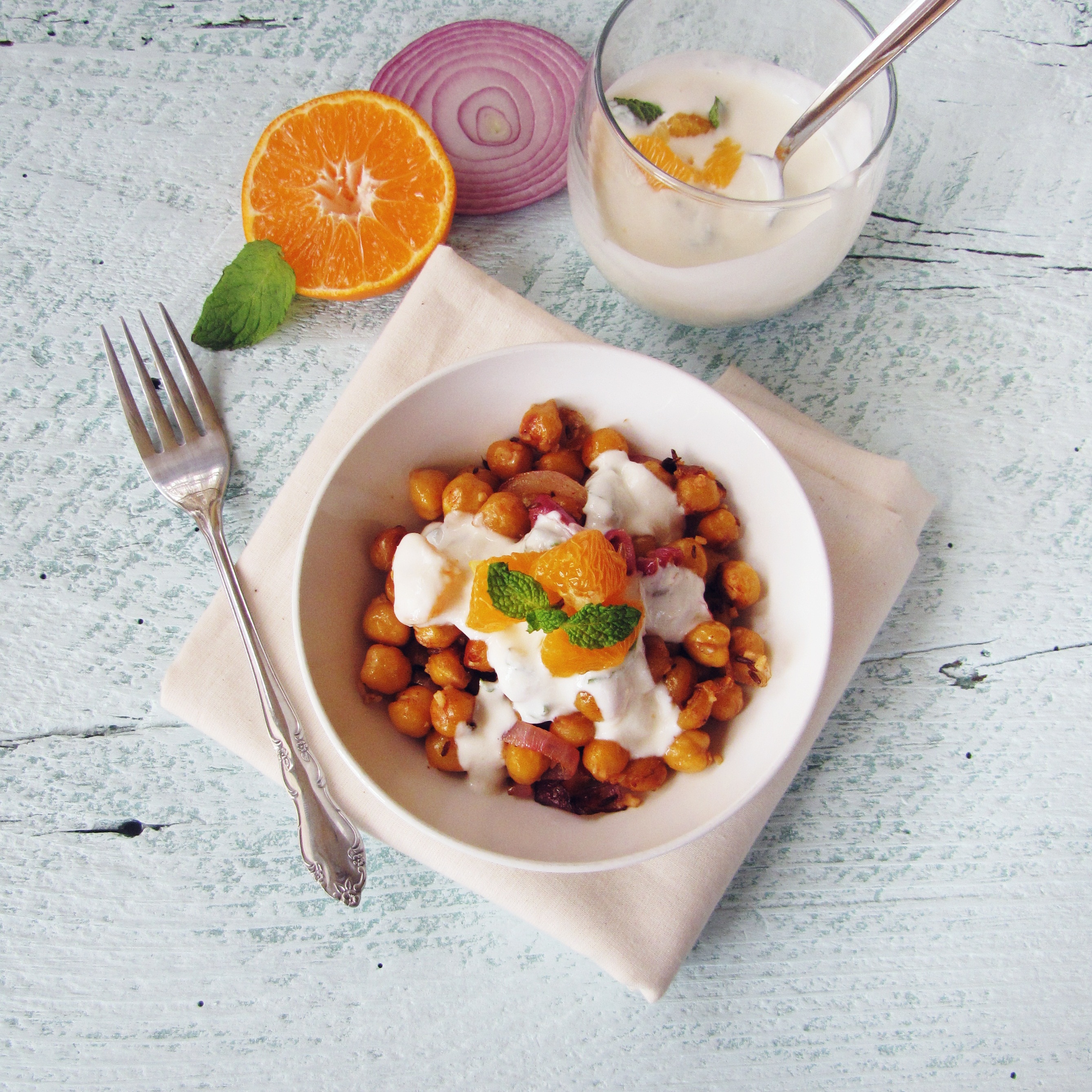
Fried Chickpeas with Orange-Mint-Yogurt Sauce

0 January 8, 2012 Middle-Eastern

Fried Chickpeas with Orange-Mint-Yogurt Sauce

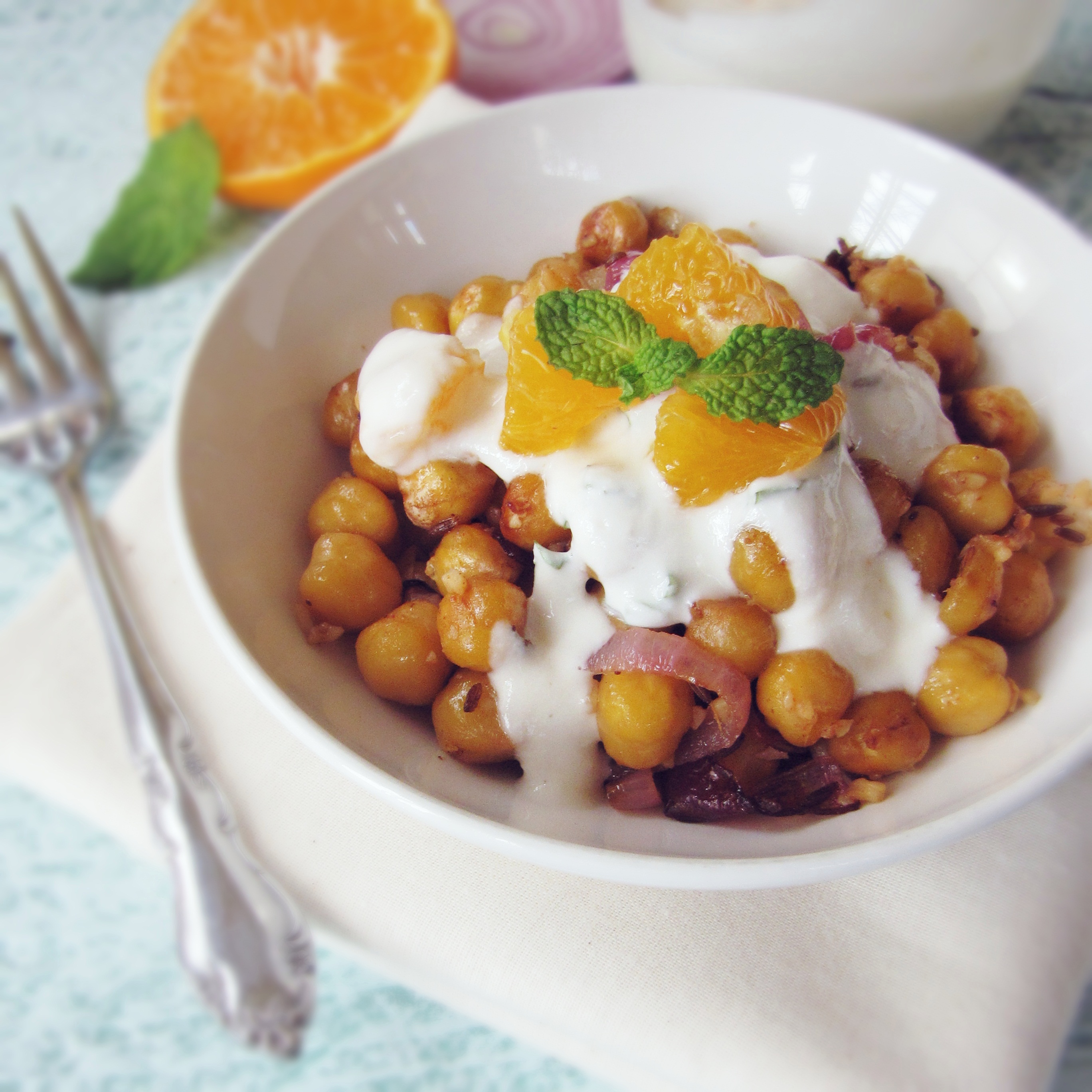
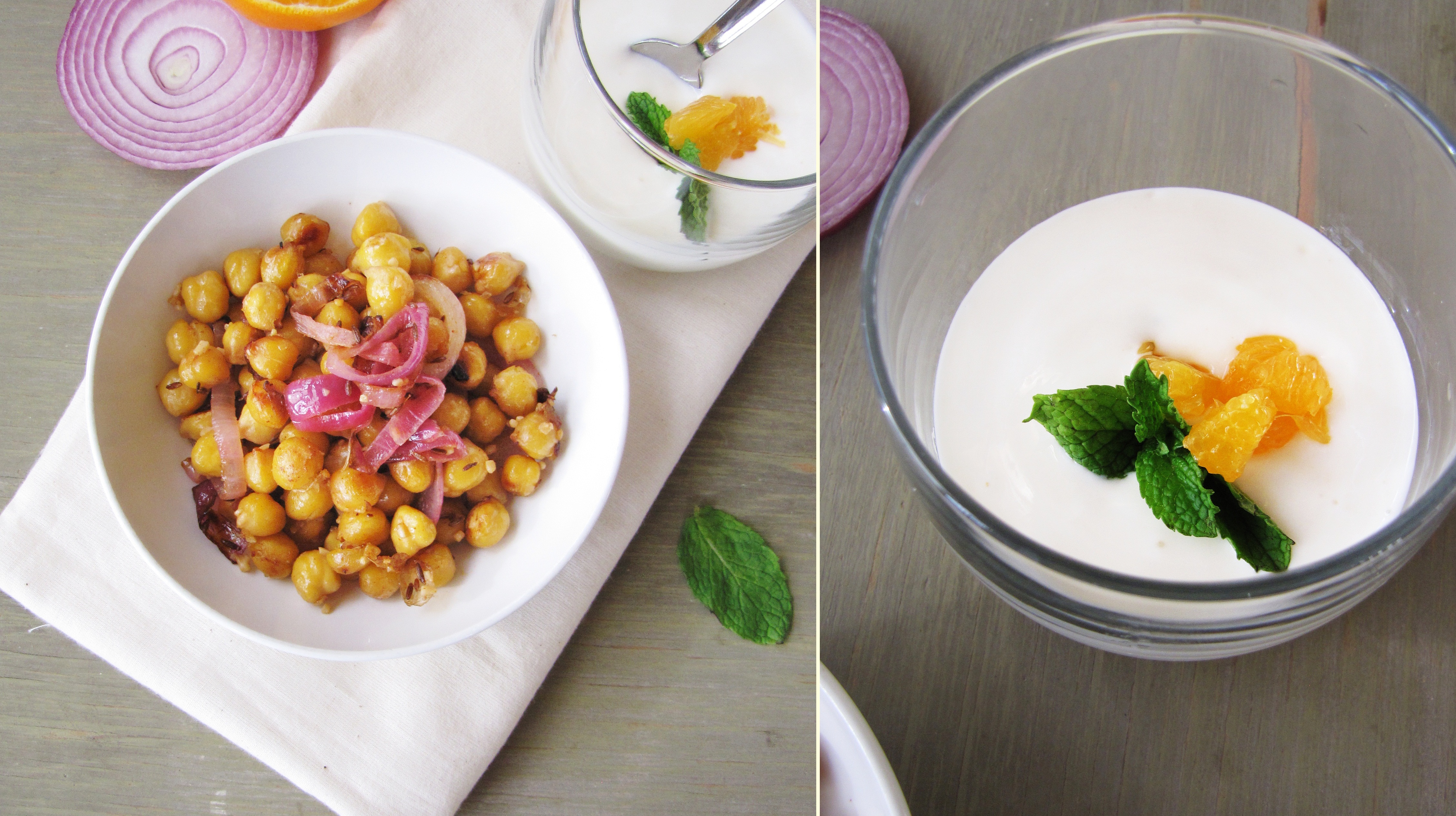
This is the kind of meal I make all the time, when I don’t feel like cooking for more than 15 minutes but I want something hot, hearty, and wholesome.  I almost always have all of the ingredients on-hand, so it appears frequently on weeknights when I get home late, days before I go to the grocery store, and lazy Sundays when I don’t want to leave bed for too long.  For something which takes so little effort, the flavors in this are fantastic.  When cooked properly, the chickpeas develop a crunchy, garlicky outside that give way to a soft creamy interior as you sink your teeth into them, with little hints of lemon and chili-powder spicing up the experience.  The yogurt sauce is sweet and cooling, with a refreshing hit of mint, and combined with the hot savory chickpeas, absolutely perfect.

I initially started making fried chickpeas because of this recipe on 101 cookbooks.  Later I tried these fried chickpeas, and this chickpea and spinach salad, and since then I’ve morphed all of these experiences into my own favorite way of combining these flavors, and feel safe in calling this particular recipe my own.  Isn’t that really how all recipes are created, anyway?  The final recipe definitely plays strongly off classic Middle-Eastern flavor combinations, and would make a great side dish for a Middle-Eastern lamb dish, or mixed with couscous for a more complete meal.

I included this recipe as part of my winter cleanse rotation – you can find the rest of the recipes for week one here.

Fried Chickpeas with Orange-Mint-Yogurt Sauce

A Katie at the Kitchen Door original.  Serves 2.

  • 2 c. cooked chickpeas
  • 2 TBS olive oil
  • 1/2 red onion, sliced
  • 1 1/2 tsp whole cumin seed
  • 1/8 tsp cayenne powder
  • 1/2 tsp coarse sea salt
  • 2 tsp lemon juice
  • 1 1/2 TBS minced garlic
  • 1 6-oz. container of plain greek yogurt
  • 2 small oranges or clementines
  • 10 large leaves fresh mint, finely diced
  • 1 TBS honey
  1. Slice one of the oranges in half.  Squeeze the juice from the orange halves into the yogurt container, and stir.  Add the honey and diced mint and stir until evenly combined.  Taste for sweetness and flavoring, and add more of any ingredients you feel necessary.  Set aside.
  2. Peel remaining orange and separate segments, cutting into bite sized pieces if necessary.  Set aside for topping the chickpeas.
  3. Heat the olive oil over medium heat in a large frying pan for about 1 minute, then add the cumin seed and cook for 1-2 minutes, until fragrant and beginning to turn brown.  Add the onion, chickpeas, and cayenne powder and cook, stirring every 2-3 minutes, until onions are soft and chickpeas are golden-brown and burnt in places, with a crunchy exterior, about 15 minutes.  Add sea salt, lemon juice, and minced garlic, and cook for another minute (the lemon juice and garlic should sizzle quite a bit when added to the pan), then turn off heat and serve, hot, with dressing spooned on the top and orange segments placed on top of dressing.
Cleanse Preview: Kale Lovin’

0 January 5, 2012 Breakfast

Cleanse Preview: Kale Lovin’

I am in the middle of the first week of a self-devised “cleanse,” as I’ve alluded to a few times in recent posts.  I promise to post a full schedule for both weeks of the cleanse, including my rules, recipes, shopping list, and (maybe) calorie counts, but I wanted to see how it actually went for me before sharing it with all of you.  And how is it going?  Well, to be honest, I have mixed feelings about it.  I had several goals in attempting this diet/cleanse/detox/whatever-you-want-to-call it: to lose the few pounds I’ve been clinging to since last summer, to refresh my system and hopefully find myself more energetic, and to try a slew of new and healthy recipes.  My initial ambitions were lofty – no gluten, dairy limited to greek yogurt only, limited added salt and sugar, and having a green salad as a meal every day.  It turns out that some of my cleanse rules did not actually lead to accomplishing the goals I had set for myself – specifically, not eating gluten does not equal more energy, at least in the first few days after you cut it out of your diet.  In fact, it means quite the opposite.

Case in point: day 1 I followed my rules exactly.  I had baked eggs with kale for breakfast, a raw kale and avocado salad for lunch, and baked chicken with arugula-mashed potatoes (no butter, cream, or cheese!), and I went to bed hungry, but proud of myself for sticking to the plan.  On day 2 I woke up totally exhausted.  Like, could barely move my body out of bed exhausted.  I dutifully made my soymilk-breakfast-quinoa and packed leftover chicken and salad for lunch.  I was feeling determined.  But energy?  Energy I did not have.  After suffering through the morning with a gnawing feeling in my stomach, a headache, and a fuzzy brain, something sparked in my sad, bread-craving brain and I googled “gluten withdrawal.”  Then I googled “dairy withdrawal.”  Turns out I hadn’t done my research.  In a nutshell, gluten and casein (the protein in dairy) have opioid compounds that affect the levels of “happy chemicals” in your brain – basically, they’re like drugs.  Removing them from your diet causes these levels to fluctuate, causing withdrawal-like symptoms such as fatigue, intense craving, headaches, and “brain fogginess.”  You can read more about it on Livestrong.  Immediately after reading that I reached for a bag of pretzels, and within 5 minutes felt much better.  My rationale for calling it quits so quickly?  Since I’m not giving up gluten or dairy in the long term (and it’s actually not recommended for those who don’t have an intolerance to gluten), I decided that it wasn’t worth it to feel crappy for two weeks and play games with my body like that.  Instead, I’m limiting gluten servings to whole wheat foods, and only 1 serving a day.  Balance is everything.

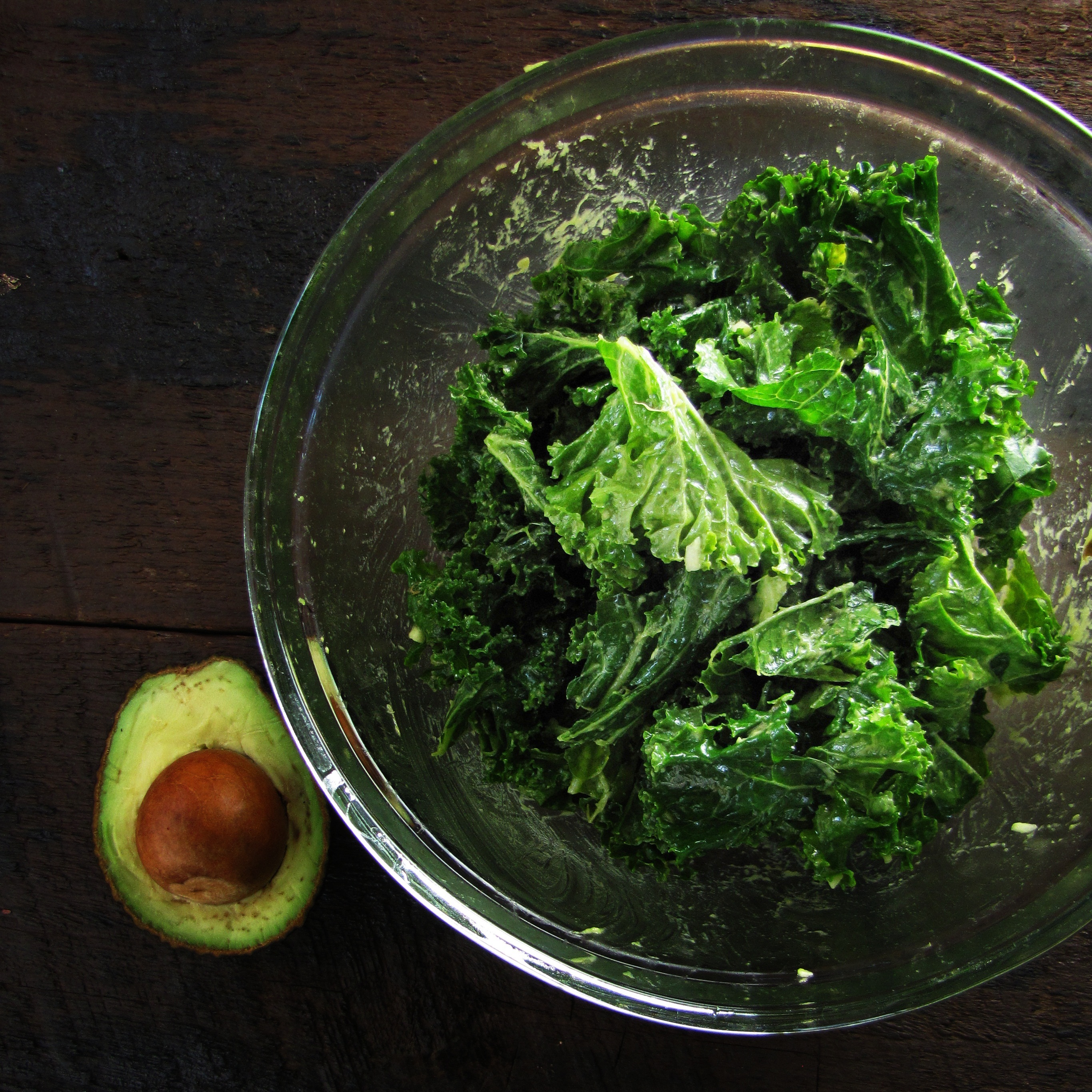
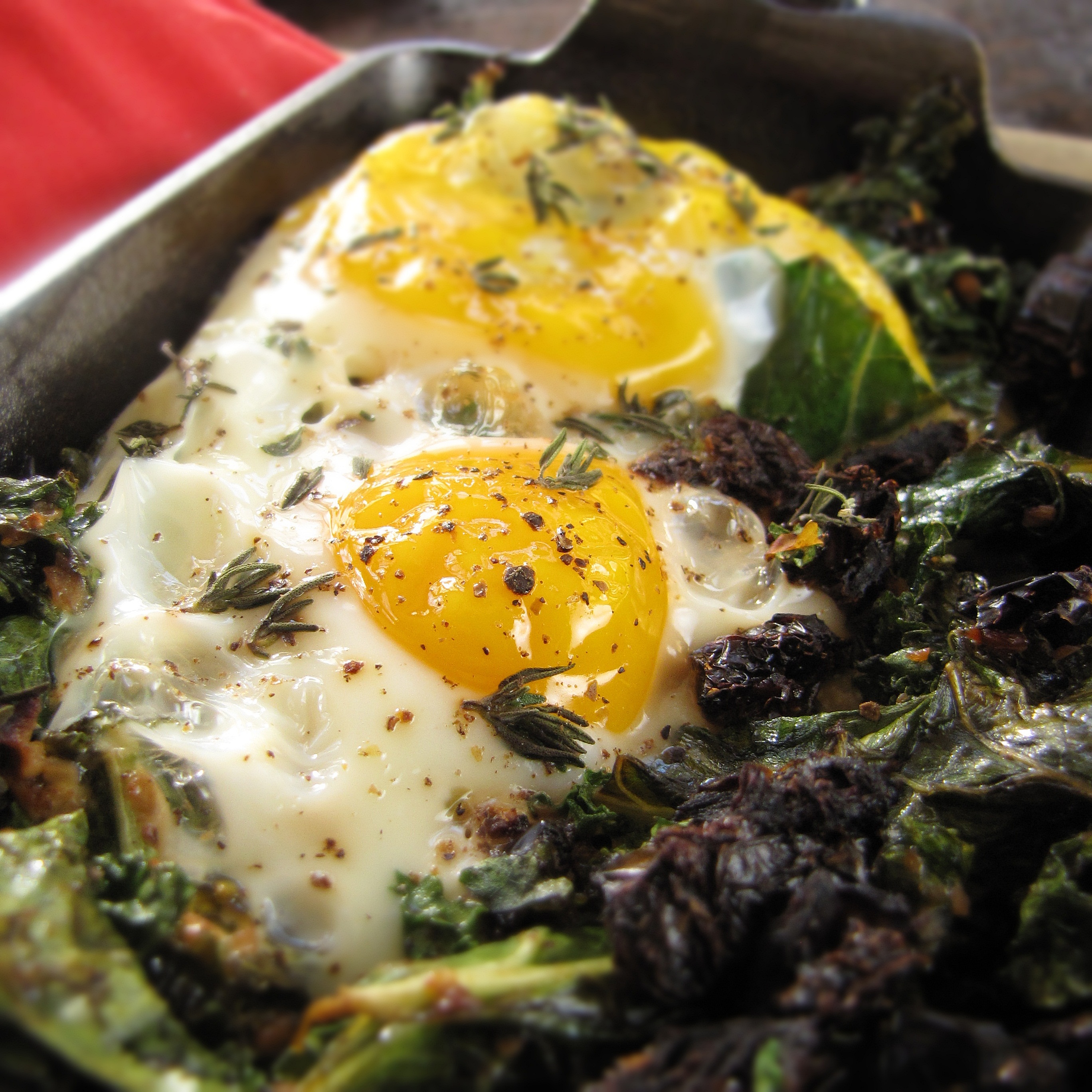
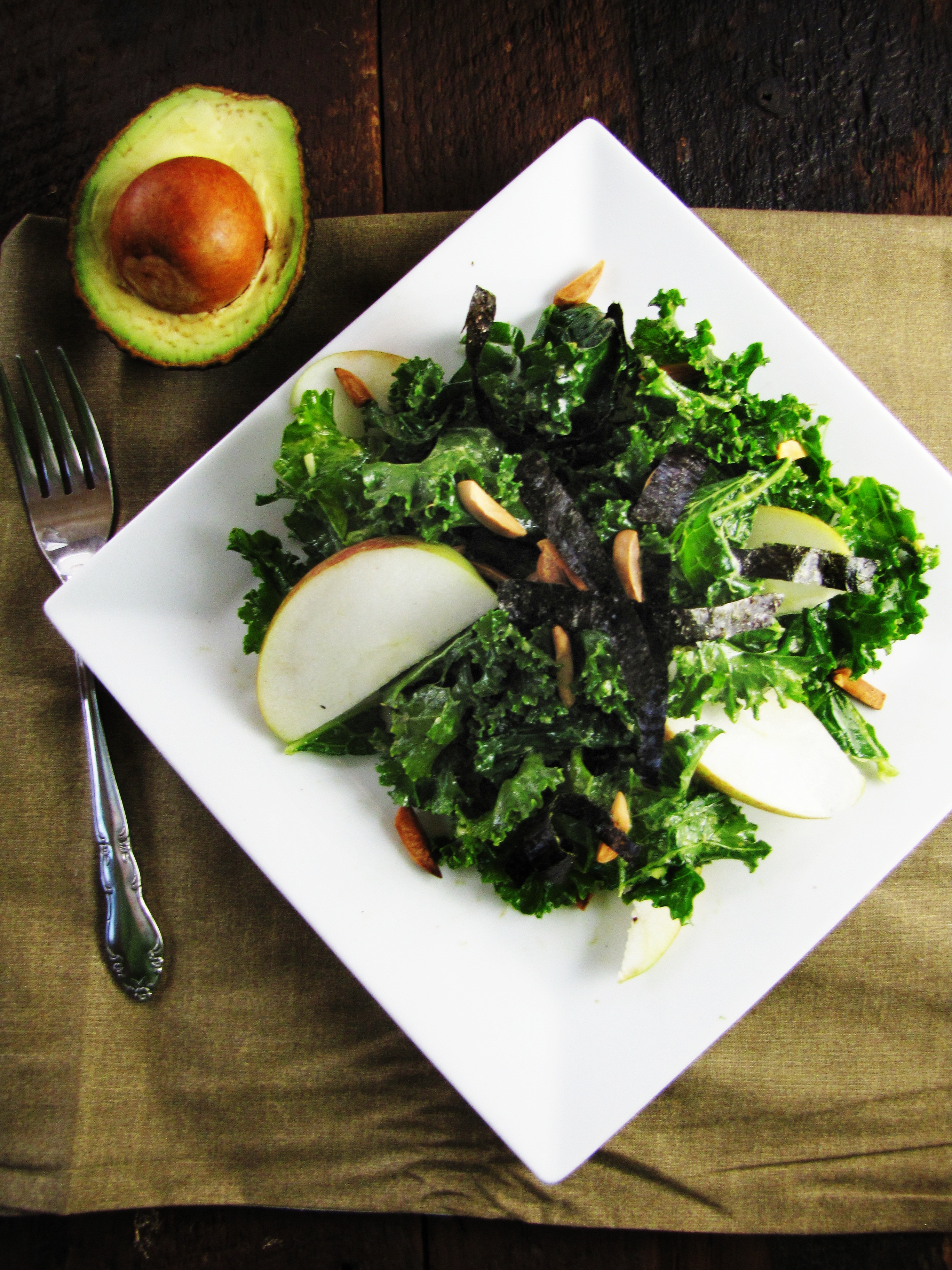
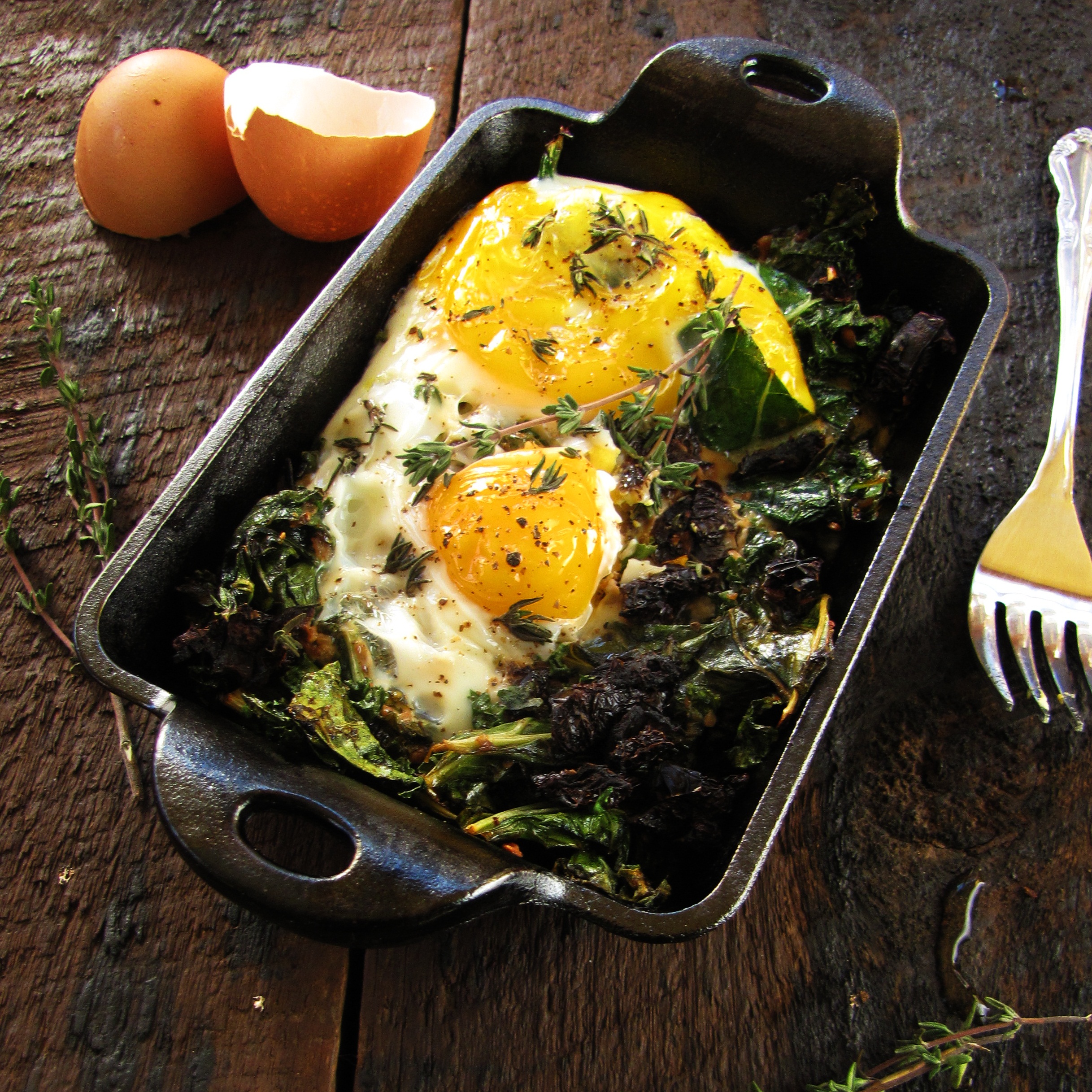
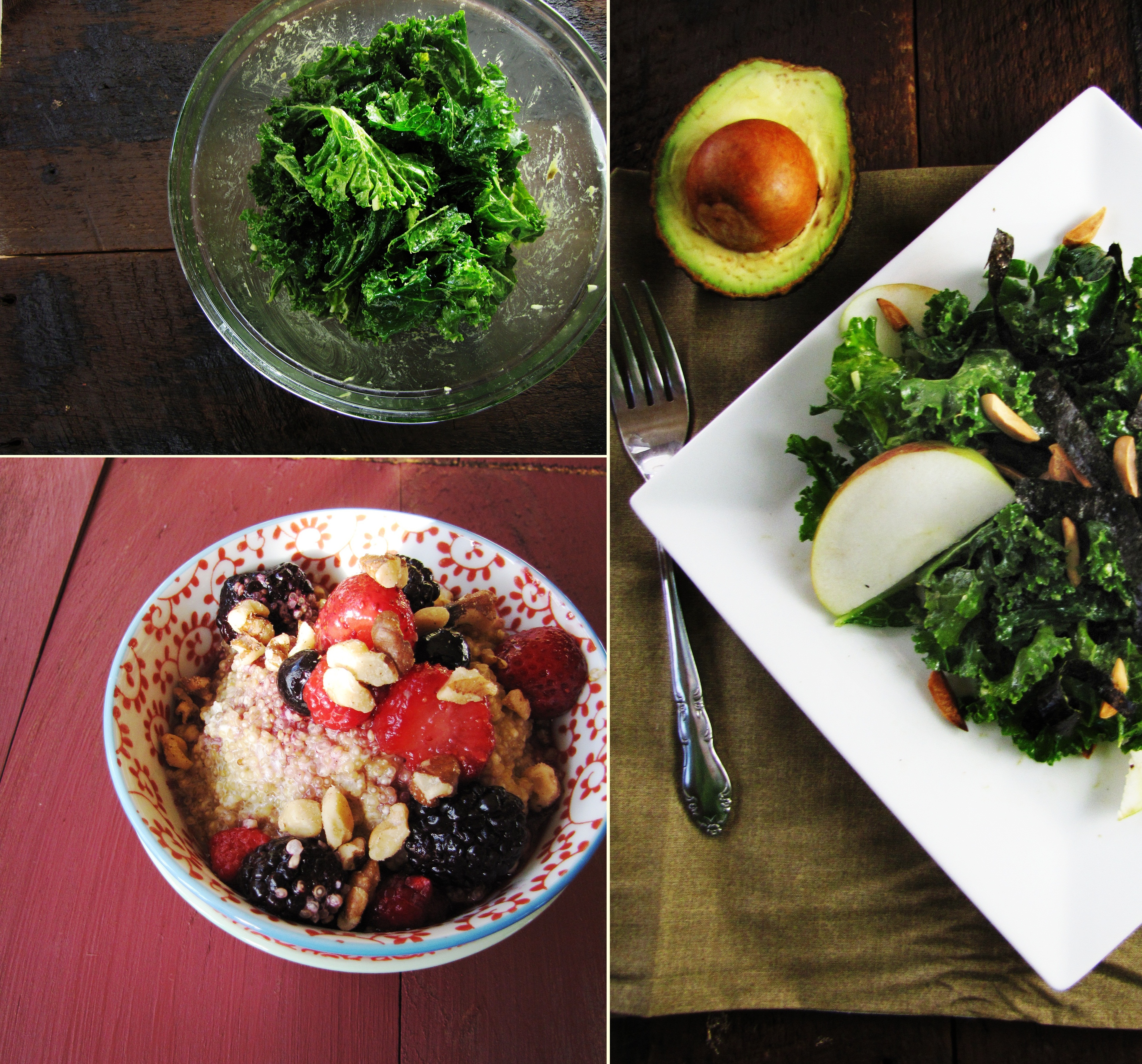
Despite the initial hiccup in my plan, I adjusted the week’s menu and am sticking to it, although I’m being more lenient with myself on snacks than I had originally planned because I want to keep my energy up and stay feeling good.  And today, day 4, I actually am feeling pretty good – energetic, focused, light – and I managed to stick to the planned recipes almost all day.  I do want to share a few recipes I’ve already tried as a sort of “preview” before giving you the whole shebang, so I’m here with two super-healthy, super-easy, kale-centric recipes.  Both of these recipes are really good, with limited fat, salt, carbs, and lots and lots of leafy greens.  Kale is easily my favorite green, and one of the only ones that I actually enjoy the flavor of, so I was particularly stoked to find such a promising recipe for a raw kale salad in Lucid Food: Cooking for an Eco-Conscious Life.  The kale gets “massaged” by hand with avocado, olive oil, and salt, tenderizing and shrinking as you go.  It then gets topped with apples, toasted almonds, and toasted nori – and boy is it good!  The flavors and textures of this salad are spot on, and I found myself picking at the kale-and-avocado mixture (so creamy and filling and addictive) even as I took these photos.  The baked eggs recipe is more basic, but it doesn’t have any cheese or cream – all of it’s flavor comes from sun-dried tomatoes, kale, and spices.  If you’re looking for a few good healthy recipes, definitely try these, and check back soon for the full list of this week’s recipes!

Kale and Avocado Salad with Almonds, Apples and Nori

Adapted from Lucid Food.  Serves 2.

  • 1/2 bunch of kale
  • 1/2 avocado
  • 2 TBS olive oil
  • 1 small garlic clove, finely minced
  • 1/2 tsp sea salt
  • 1/4 c. almonds, toasted till golden brown
  • 1 apple, diced
  • 1 sheet of nori
  1. Wash the kale leaves and shake them dry.  Remove the leaves from the thick stalks and tear leaves into bite sized pieces.  Place the kale, avocado, minced garlic, salt, and olive oil in a large bowl, and massage together with your hands for three minutes.  The kale should shrink and become tender.  Plate the kale mixture and top with 1/2 of the diced apple and half of the toasted almonds.  Use tongs to pick up the nori and pass it over an open burner on medium-low, 3-4 times for about 2 seconds each time.  Try not to let it catch fire!  As it passes over the open flame, the nori should turn bright green and get soft and pliable briefly.  Fold the nori in quarters, then use scissors to cut the quarters into long strips.  Sprinkle over salad.  Enjoy!

Baked Eggs with Sun-Dried Tomatoes and Garlicky Kale

Serves 1.

  • 2 medium eggs
  • 1 large leaf kale
  • 1 TBS + 1 tsp olive oil
  • 1 heaping tablespoon minced garlic
  • 5 dried sun-dried tomatoes
  • leaves from 5 small sprigs fresh thyme
  • freshly ground black pepper
  1. Reconstitute the sun-dried tomatoes: place the sun-dried tomatoes in a small, heatproof bowl, and pour very hot or boiling water over them.  Stick in the microwave for 30 seconds, then let stand for 5 minutes.  Remove the sun-dried tomatoes from soaking liquid and chop finely.
  2. Preheat oven to 375°F.  Grease one creme-brulee sized ramekin with 1 tsp olive oil and set aside.  Heat remaining 1 TBS olive oil over medium-heat in a saucepan until shimmering, then add kale and garlic.  Cook, stirring frequently, until garlic is brown and kale is beginning to become tender, about 5 minutes.  Add 1-3 TBS of water if the kale seems dry, and continue to cook until fully tender, about another 3 minutes.  Line prepared ramekins with kale, then carefully crack the eggs on top of the kale.  Sprinkle with the thyme leaves, black pepper, and minced sun-dried tomatoes, and bake for 10-15 minutes, until eggs are set.
  • « Previous Page
  • Page 1
  • …
  • Page 43
  • Page 44
  • Page 45
  • Page 46
  • Page 47
  • …
  • Page 57
  • Next Page »

Primary Sidebar

Subscribe!

Get creative recipes and menu ideas delivered straight to your inbox.

Most Popular

A House // Sweet Potato and Coconut Milk Soup with Brown Rice and Lentils

Monthly Fitness Goals: July // Homemade Spinach Wraps with Chopped Greek Salad

A New Job // Classic Seven-Layer Bars

Butternut Squash Carbonara with Fried Sage and Caramelized Onions

Happy Birthday, Trevor! // Peanut Butter Fudge

Cookbook Review and Giveaway: Home Made Winter

Drizly

Please note!

Full disclosure: if you purchase anything at Amazon using the above links or any other links to Amazon on this site, I will receive a small commission. Just so you know!

Copyright© 2018 · Cookd Pro Theme by Shay Bocks

This site uses cookies: Find out more.