• Skip to primary navigation
  • Skip to content
  • Skip to primary sidebar
  • Home
  • Recipes
  • Features
    • Cookbook Reviews
    • Ingredient of the Week
    • Sunday Dinner
    • Fitness Goals
  • Travel
  • About
    • Privacy Policy
    • Cookie Policy
  • Work With Me

Katie at the Kitchen Door

Globally-inspired, seasonal recipes

Blog Page

Cupboard Cleansing

May 6, 2011 Pasta

Cupboard Cleansing

So yesterday I took my last college final.  And I’m not really sure I’m ready to go into all the weirdness and emotion and excitement and out-of-character behavior that seems to be going hand in hand with all this … endness.  All this time I couldn’t wait to get out into the real world and now I desperately want to stay.  Emotions are running rampant.  We’ll talk more when things calm down.

Even though I’m not ready for the goodbyes, and the moving, and the “what nows,” I am ready to start cleaning out the freezer.  And the pantry.  And the other pantry.  Seriously, between the lamb, chicken, meatballs, beef, veggies, broths, and pizza dough in the freezer, apples, oranges, rhubarb, cabbages, and potatoes in the fridge, and pounds of beans, tomatoes, canned olives, dried fruits, flours, and grains in the pantry, I could probably survive for at least 8 months.  Actually.  I’m not sure how I’ve managed to accumulate such a large amount of extra food in the 16 months that I’ve lived here [that’s not true, I know exactly how it happened], but I am sure that it’s going to be tough to find anyone who wants my half-used bottles of vinegar and bags of beans after I graduate.  So, until I move out in 15 days, no more groceries, except essential dairy products and fresh produce.  (N.B. Chocolate falls firmly into the dairy category).
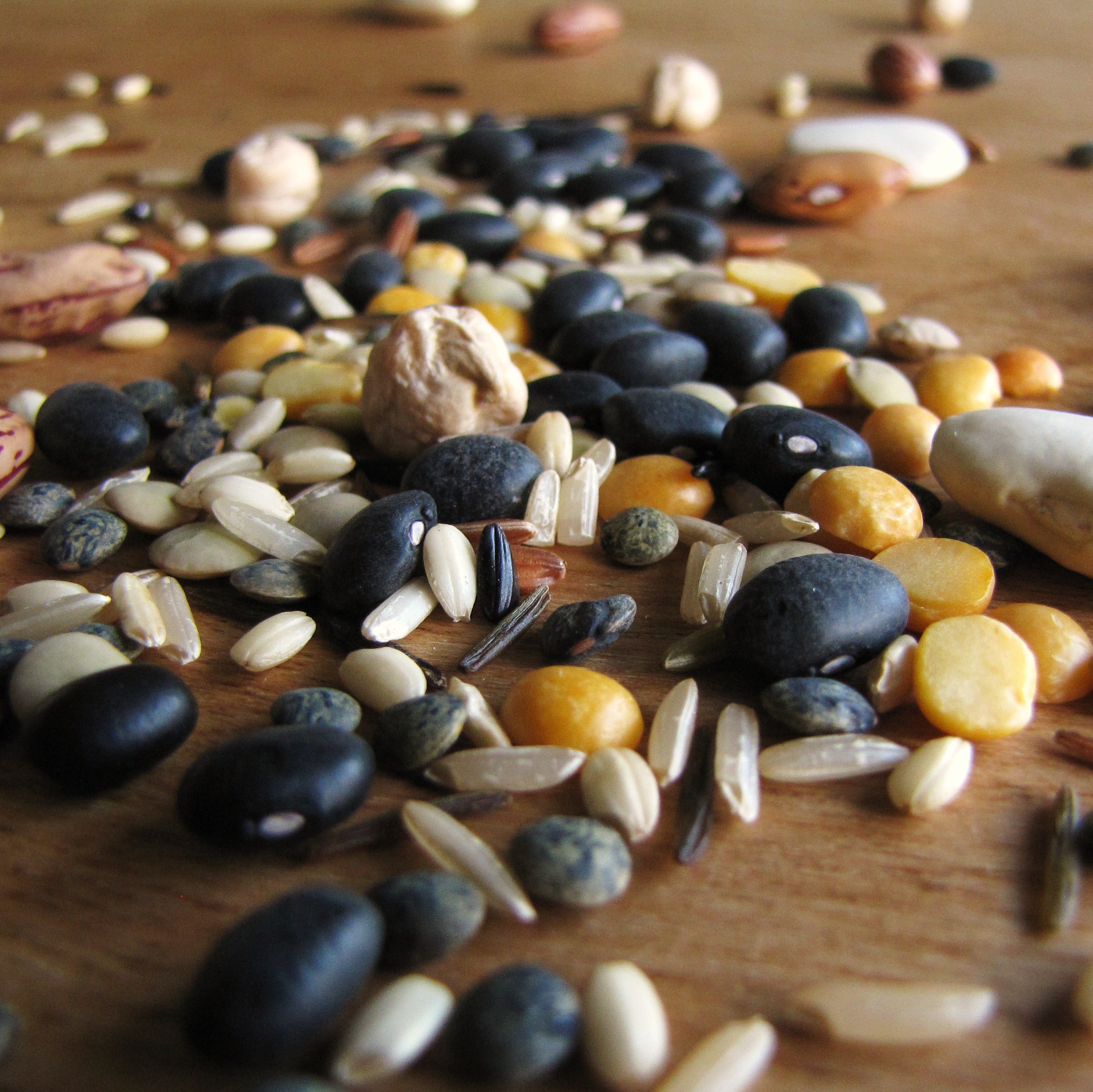
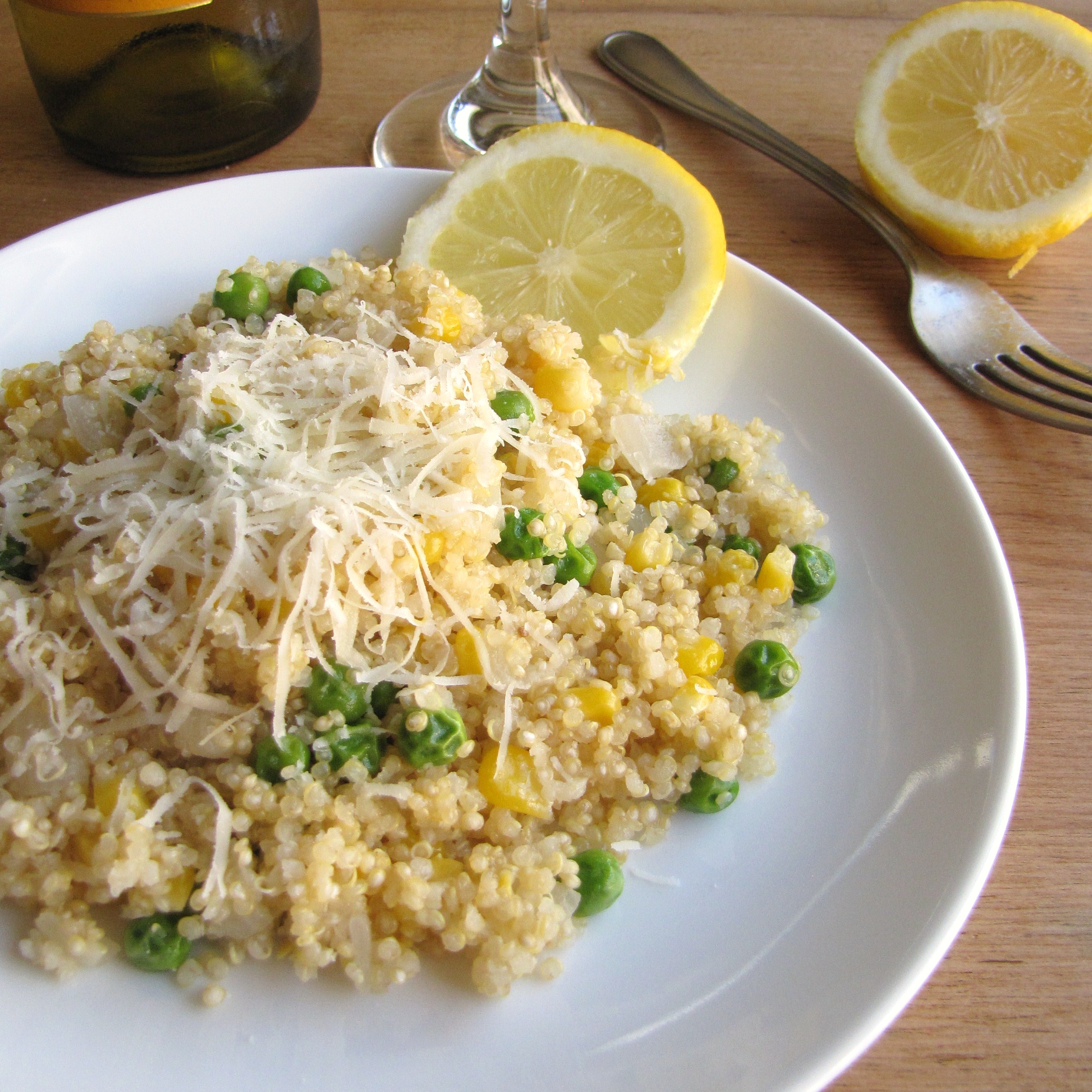
Using up the odds and ends that I have might stretch my culinary creativity a bit, but hopefully it will result in at least a few good meals.  Luckily, about half of the brainpower I’ve been using all semester on school and learning and stuff has been returned to me and is available for kitchen inventiveness.  As for the remainder of my brain, one quarter has been absorbed by emotional instability and I’m pretty sure the last quarter is on vacation.  Either that or it’s permanently gone.  Anyway.  To start out, I made a corn broth quinoa risotto, which kicked some frozen veggies, a cup of quinoa, and those corn cobs I tossed in my freezer last summer thinking I would be dying for fresh corn broth at some point this winter.  Whatever, Katie.  So maybe it’s a bit of a stretch to call it a risotto, but it worked fairly well, I ate the leftovers (always a sign of a good recipe), and it didn’t require any ingredients not already hanging around.  The corn broth itself is really interesting (in a good way), and I could see it working as the base for a lot of different recipes.  It has a strong corn essence, but not in the sweet way I expected – it’s more of a starchy, nutty corniness.  Topped with some fresh parmesan and a sprinkle of lemon juice, this is a quick and light weeknight dinner.
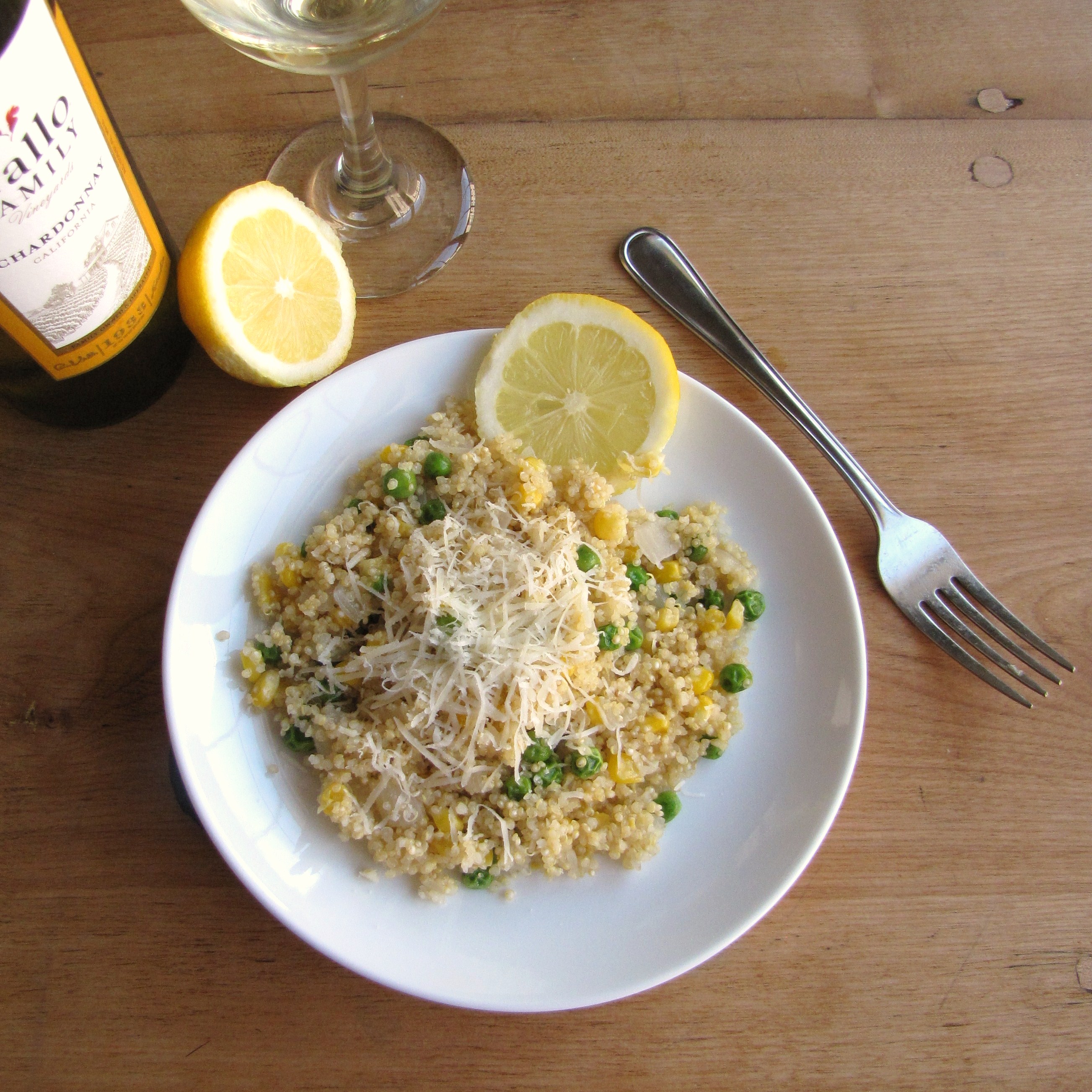
Corn Broth Quinoa Risotto

Serves 2-3.  Original recipe.

  • 2/3 c. quinoa
  • 1 c. corn broth (recipe below) or vegetable broth
  • 2/3 c. dry white wine
  • 1 TBS butter
  • 1/2 onion, diced
  • 5 cloves garlic, minced
  • 2/3 c. frozen corn and peas
  • 1/2 c. packed grated parmesan cheese, plus more for topping
  • 1/2 lemon, for dressing
  • salt and pepper to taste
  1. In a large dutch oven, melt butter over medium heat.  Sautee onion in butter for 3-4 minutes, then add minced garlic and cook for a minute longer.  Add quinoa to pan and toast, stirring frequently, for another 3-4 minutes.  Add corn broth, bring mixture to a simmer, and allow to cook for 8 minutes, until most of the broth is absorbed.  Add wine and continue to cook quinoa, stirring frequently, until all of the liquid is absorbed and the quinoa is tender (the “tails” will unfurl when the quinoa is done).
  2. Add the frozen vegetables and cook until heated through, about 2 minutes.  Remove from heat and stir in parmesan cheese until fully melted.  Serve warm with extra parmesan or feta, a squeeze of lemon juice, and a sprinkling of salt and pepper.

Corn Broth

Makes about 4 cups

  • 6 ears of corn, kernels removed and used elsewhere
  • 8 c. water
  • several sprigs of fresh herbs – I used rosemary
  • salt and pepper to taste
  1. In a large stockpot, place corn cobs and water and bring to a boil.  Water should fully cover cobs – add more than 8 c. if necessary.  Add herbs and reduce heat to bring stock to a simmer.  Cook for about an hour, checking and stirring frequently, until the stock has a translucent yellow color and a corny flavor.  Remove from heat and strain into a clean container.  If desired, cook stock down further to intensify flavor.  Once flavor is as desired, season with salt and pepper.  Store in an airtight container in the fridge for 4-5 days, or the freezer indefinitely.
ASB: Growing Things

April 12, 2011 Location

ASB: Growing Things

I know, I know, we’re closer to graduation than to spring break (ha! can you believe that?!), but I wanted to talk about the final component of my alternative spring break “food and farming” trip – the farming.  To be honest, I signed up for this trip mostly for the food part, and a little bit because I thought it would be nice to spend a few days out in the sun, doing a little honest work.  However, the farming component of this trip left me more inspired than all the scrumptious food and inspiring chefs combined.  Maybe because it’s a newer concept for me than cooking.  Maybe because I’ll never be able to kick that nurturing urge that extends even to tiny green things growing in a shoebox on my windowsill.  Or maybe because I have this hazy, completely idealized, rosy image of myself waking up early to collect eggs and milk the cow, working in the dirt all day, and sleeping the way you only can after a hard day’s work.  Whatever the reason, this trip got me excited.

Over the course of the four day trip we visited three farms and Durham’s community garden, SEEDS.  On Monday we spent the morning at Prodigal Farm, a goat farm run by Kathryn and Dave, ex-New Yorkers who recently decided to follow their dreams back down South.  Kathryn’s story resonated particularly well with me – a Duke graduate and practicing lawyer for 15 years, she gave that world up to live in rural North Carolina with Dave and their goats.  Now she spends her time caring for the goats (who live in an old school bus!), whipping up fresh goat cheese cheesecakes, and restoring the old farm they bought.  Oh, and taking on the Plum Island center for biological warfare research when they wanted to start a mainland operation and chasing them out of Durham, NBD.  While at Prodigal Farm, we ASB-ers played with the goats, who were surprisingly friendly and didn’t try to eat any of my belongings – I guess that’s only the unloved goats at petting zoos – and then spent an hour helping Dave to clear trees.  It’s amazing how much land you can clear in an hour with 20 college kids trying to earn their lunch – I kept thinking about how much my dad would love it.  Then Dave and Kathryn treated us to an incredible lunch of fresh goat cheese, jerusalem artichokes just pulled from the ground, okra pudding and … roasted goat leg.  Which was incredibly tender, delicious, and not at all what I expected.  Yes, it was a little bit odd at first to eat goat while simultaneously watching goats frolic, but after getting over the initial uncomfortableness, it was the coolest experience, being able to actually see the source of each food we were eating.  Inspiration, part one.

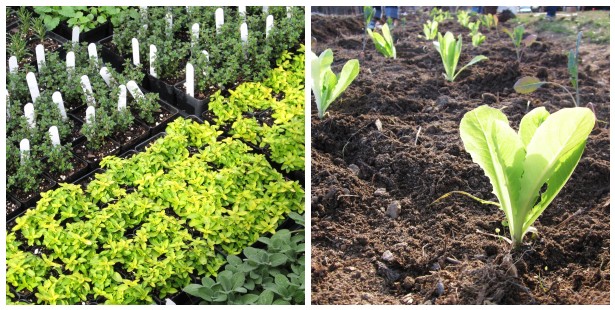
Later that afternoon we headed to Four Leaf Farms, where Tim and Helga run the neatest, most organized little operation I’ve ever seen.  On the very small plot of land surrounding their house, they grow enough produce to supply Watt’s Grocery, themselves, and several farmer’s markets, raise chickens, grow mushrooms in the woods, and even have a kiwi tree. (Who knew that kiwis grew in North Carolina?!)  I was amazed with how well they used the little bit of space that they had – I’m not sure I’ve ever been in such a supremely well organized place in my life – and standing in the greenhouse I was a little bit in awe of the rows and rows of green thriving in the middle of March.  More than anything, I think being at Tim and Helga’s gave us all the sense of “Hey, I could do this…”  I don’t think anyone’s dropped out of school to start a farm since break yet, but you never know.

Tuesday morning we spent 2 hours at SEEDS, Durham’s community garden.  SEEDS is a well-established, well-loved piece of Durham culture, where high-school students can work to grow and sell their own produce, younger children can attend day camp, and anyone who would like to can sign-up for their very own plot in which to grow their own vegetables, herbs, and flowers.  While at SEEDS we got some of our energy out digging out the bermuda grass from a new plot [side note: google has revealed to me that Jamaica grass – an energy drink that I’m pretty sure has marijuana in it – is not the same thing as Bermuda grass] and helping to sort the compost.

From SEEDS we headed to the newly established Duke Campus Farm, the reason behind this whole trip.  On 12 acres of old tobacco land in the Duke forest, several Duke students are farming a 1-acre pilot plot, new this year.  Duke dining services has agreed to buy all of the produce, and dreams for the farm are big, but there’s a lot of work that goes into creating a farm-able area before you get to the harvesting part.  On the two days that we were there, we helped build an 8-foot tall deer fence around the plot, hoed the soil into rows, shoveled manure, and finally, as the sun was setting on the last day of the trip, got to plant the first baby lettuces and kales.  I wish that the farm had gotten started when I was a freshman, as it’s something that I’d love to be involved in, but I’m glad that it exists now and I hope that it succeeds.

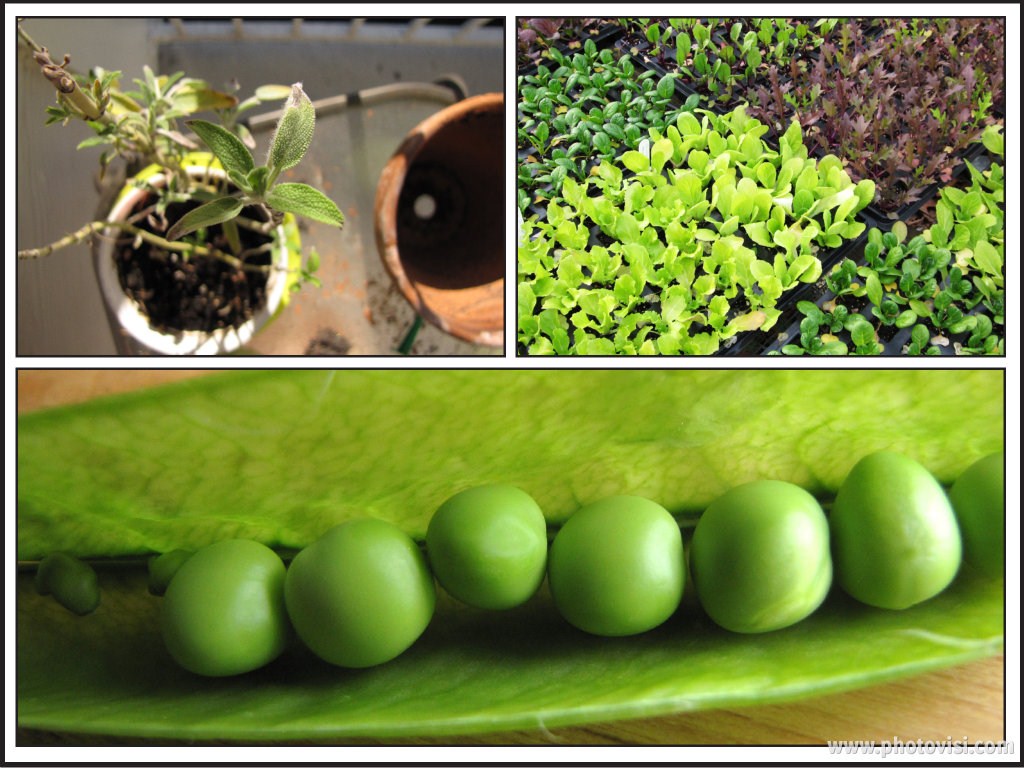
Since all this farming business ended, I’ve been a little bit obsessed.  The night after going to Tim and Helga’s farm I went to Kroger and got three packs of seeds and a bag of potting soil.  I now have four sage plants, four lettuce plants, and four basil plants that I am absurdly happy about.  Sometimes Megan finds me sitting on the windowsill in the morning, literally just watching the plants, and she has to remind me how weird I am.  I’ve also been devouring books like “The Dirty Life,” and one of my classmates caught me looking up how to grow asparagus in the middle of class, at which point he had to remind me that I am, in fact, a 21 year old college student and not yet a farmer.

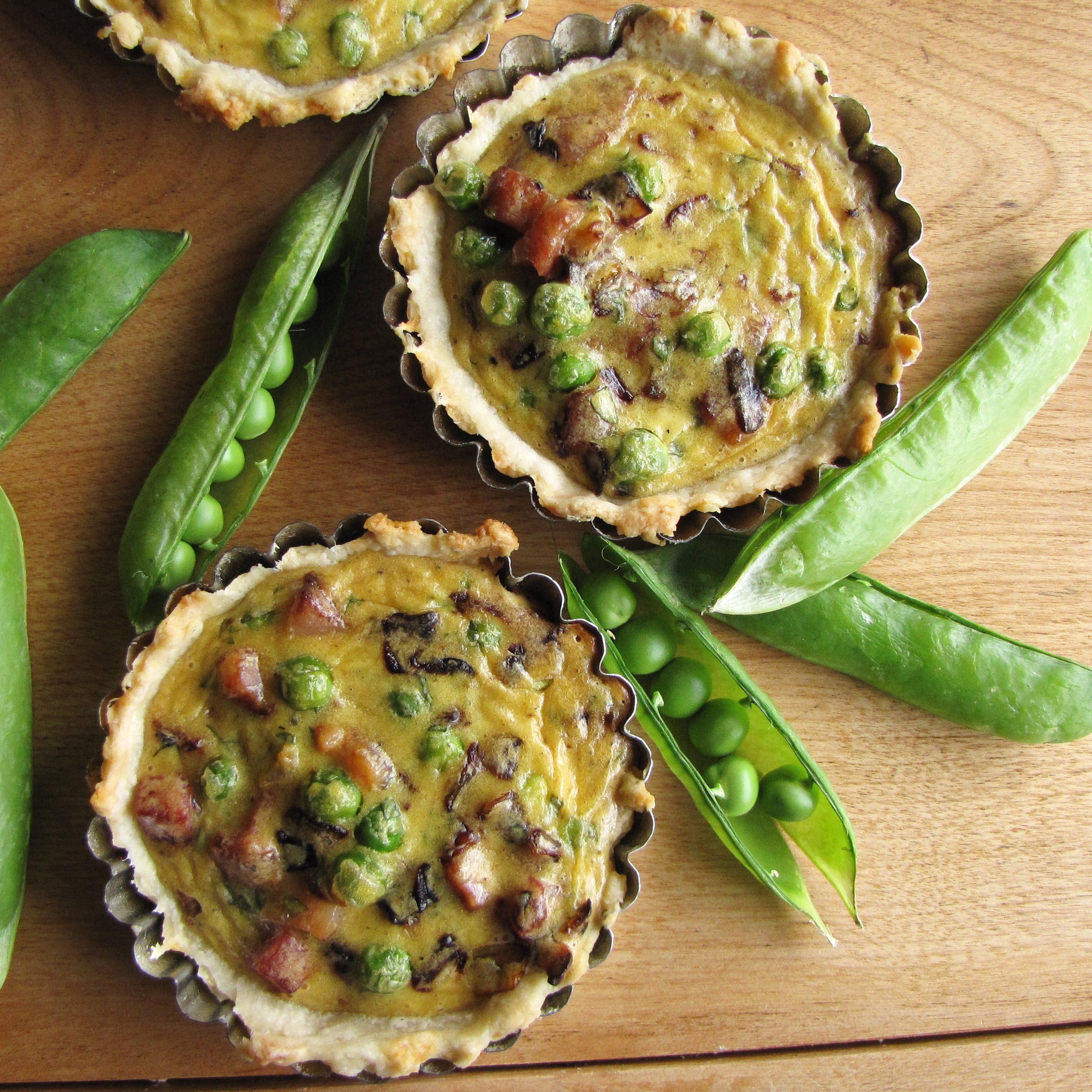
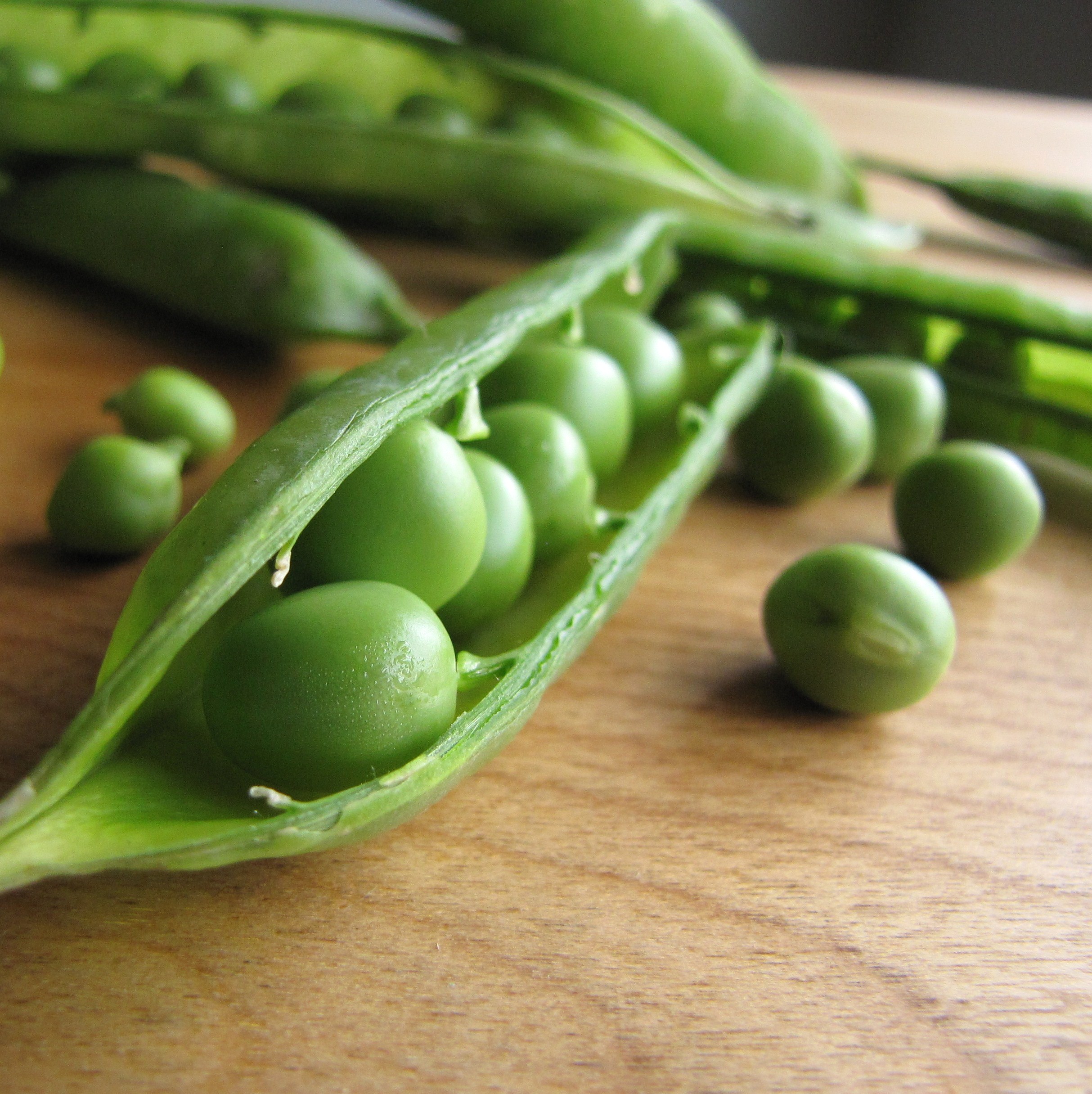
To go along with all this springtime greenery, farm-ness, and inspiration, I baked these pea, pancetta and chevre tartlets, inspired by a recipe I’ve been eyeing in Sarah Banbery’s “Tarts,” for over a year now.  The fresh peas are the essence of spring, the goat cheese brought me back to lunch at Prodigal Farm, and the pancetta… well, pancetta just makes everything better.  These were delicious – light and creamy filling with bites of salty pancetta and sweet peas, and a flaky crust flecked with parmesan.  A little indulgent, but one or two makes a perfect Saturday afternoon lunch.

Pea, Pancetta, and Chevre Tartlets

Inspired by Tarts.  Makes 4 tartlets.

For the crust (makes enough for 6-7 tartlets, freeze extras)

  • 3/4 c. flour
  • 1/4 tsp. salt
  • 5 TBS cold butter, cut into small pieces
  • 1/4 c. finely grated parmesan cheese, packed
  • 2-3 TBS very cold water

For the filling

  • 1/2 c. fresh peas, from 1/2 lb. peapods
  • 1 TBS butter
  • 2 shallots, peeled and finely diced
  • 3 oz. pancetta, cubed
  • 2 TBS finely minced fresh basil
  • 3 oz. goat cheese
  • 4 egg yolks
  • pepper to taste
  1. Grease four 3″ tartlet pans (I used pam and the tarts came out really easily).  Set aside.  In a medium bowl, sift together flour and salt.  Cut in cold butter, using a fork or pastry cutter to mash mixture until a crumbly dough is formed.  Add parmesan cheese, mix to combine.  Add water a tablespoon at a time, stirring between additions, until dough just comes together.  Set bowl in freezer for 5 minutes to firm up.
  2. Divide dough into 6 or 7 equally sized lumps.  Stick the extra two or 3 into the freezer for next time!  Or make double the filling.  On a floured surface, roll out into a circle, and press into tartlet pans. Trim excess dough from edges, crimping as you go.  Put tartlet pans in freezer for 5 minutes.  Preheat the oven to 400°F.
  3. Bring a small pot of salted water to a boil.  Add peas and cook for two minutes, until bright green and just tender, then drain and rinse under cold water.  Set aside.
  4. Remove tartlet pans from freezer, and place on a baking tray.  Cut a circle of parchment paper to fit inside each tartlet pan, and cover with pie beans or rice to keep the crust from bubbling.  Blind bake the crust for 8 minutes.
  5. In a medium frying pan, melt the tablespoon of butter over medium heat.  Add the shallots and cook until translucent, about 5 minutes.  Add the pancetta and cook until brown all over and shallots are caramelized, about 5 minutes more.  Add peas to warm for 30 seconds.  Remove from heat.
  6. In a medium bowl, mix together egg yolks, goat cheese, and minced basil until smooth.  Add pea-pancetta-shallot mixture and season with pepper.  Divide filling evenly among four tarts, and bake for 12 minutes, until set.  Serve warm.

Bake Sale!

April 9, 2011 Dessert

Bake Sale!

When Becky sent me an email with the subject line “big question,” I was fairly worried.  About what, I’m not entirely sure – it seemed unlikely that she was going to ask me to move in with her, give her money, or ask to take things to the next level.  Still, it was a little daunting.  So, when I opened the email (with faint trepidation) and found out that the big question was whether or not I would help her with a bake sale, I was relieved.  In my book, “bake sale?” is a very small, easily answered question, with the answer being “absolutely.”

Becky is working with an organization called Promise of Play to build a new playground at the Durham Crisis Response Center, a shelter and support center for victims of domestic and sexual abuse.  Although I’ve never really found my calling when it comes to service, I think this project is one of the coolest I’ve heard of.  The idea of kids having a safe, happy place to play while their parents attend meetings and therapy sessions really strikes a chord with me – I can’t imagine having been a kid without being surrounded by a feeling of safety and joy, and any opportunity to give a child without that privilege a brief sense of safety and fun is so important.  Additionally, the playground will be dedicated to the memory of my classmate Drew Everson, who passed away this fall.  Drew and I weren’t close friends, but we shared a class freshman year and always said “hi” to each other on the path.  The whole campus really struggled with his death, and with finding an appropriate way to remember him.  To me, at least, Drew embodied playfulness – he was always ready with a smile or a joke or to run off on an adventure with whoever would accompany him – and I can’t think of a more perfect way to remember him than by sharing the joy he seemed to experience so constantly through the simple act of play.

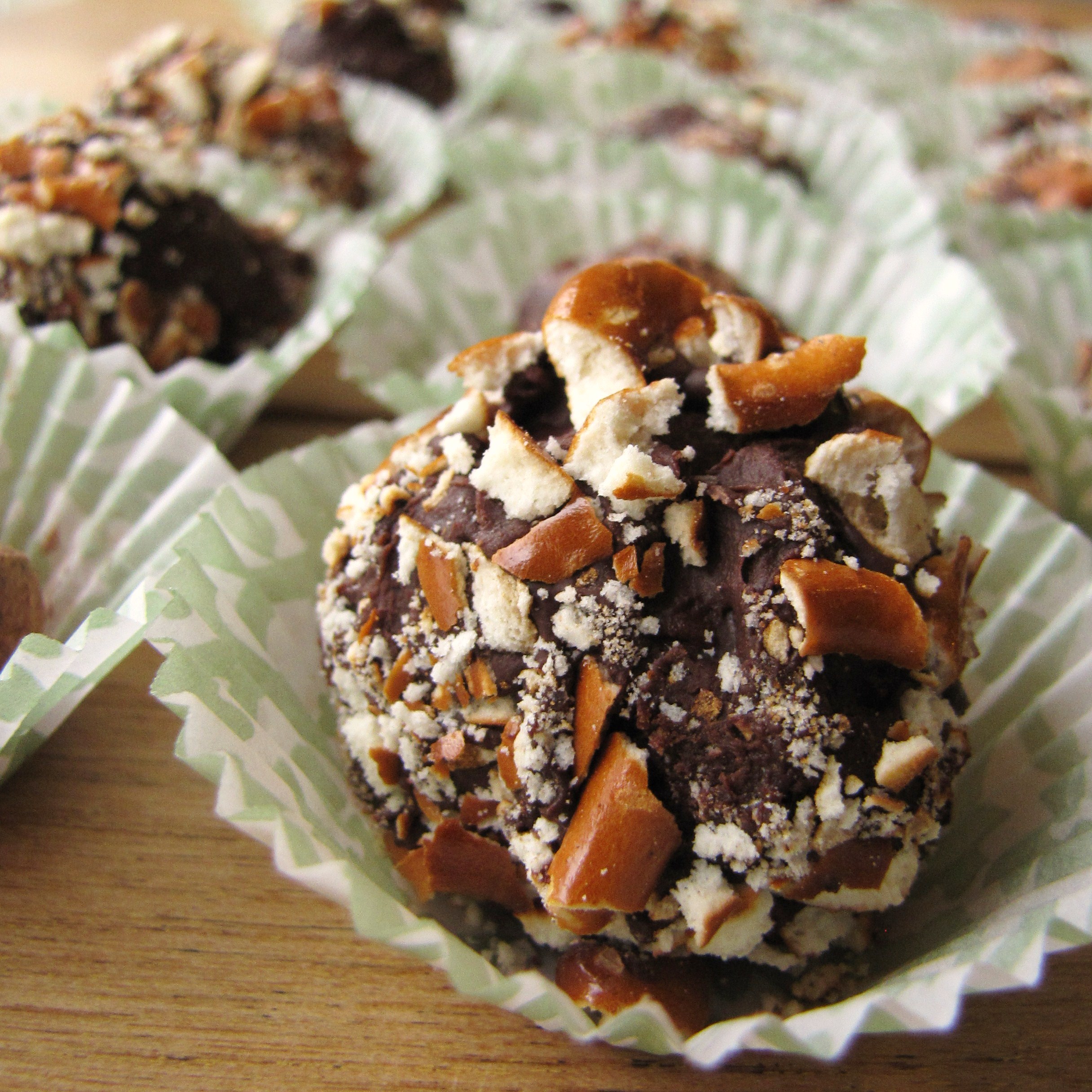
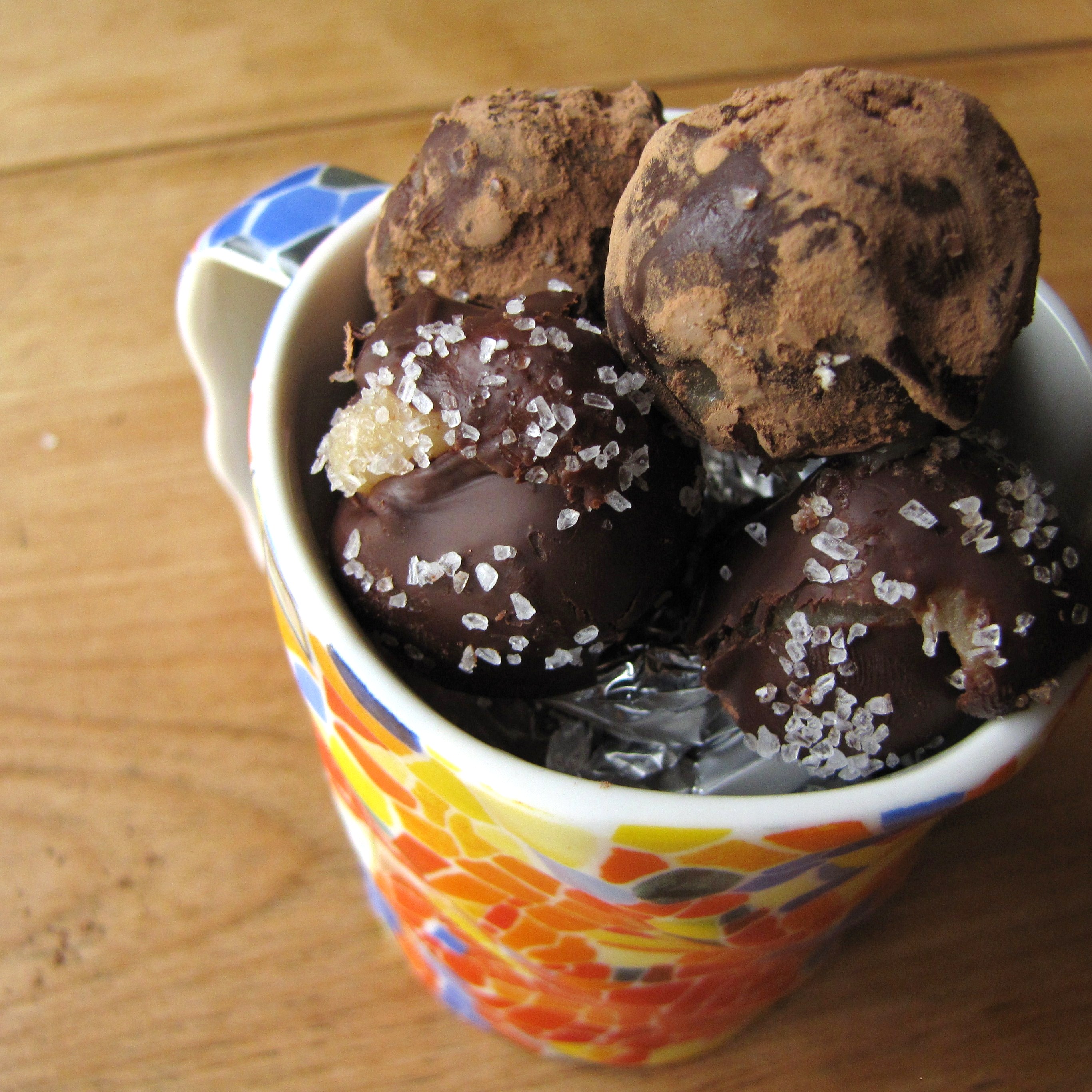
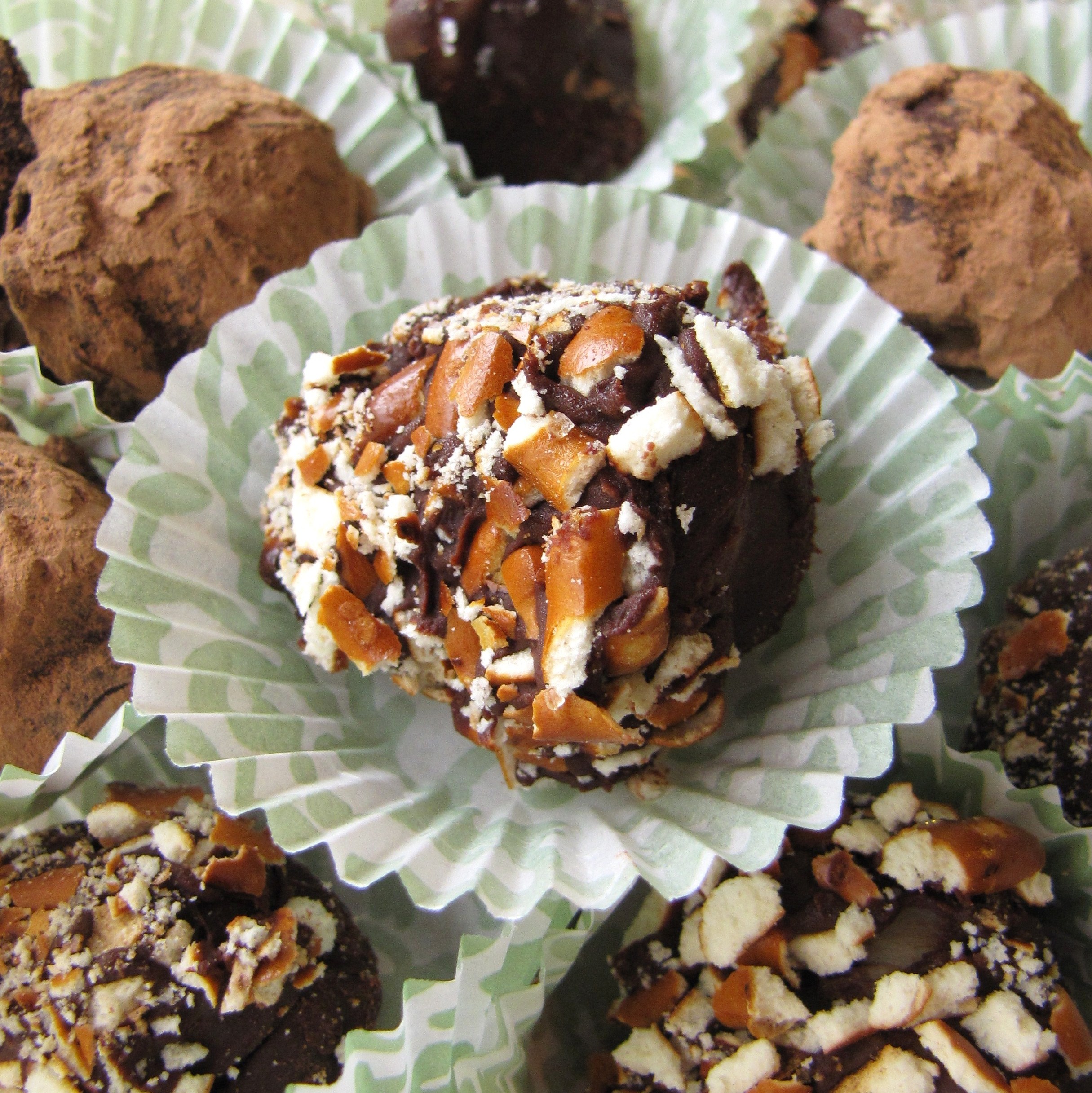
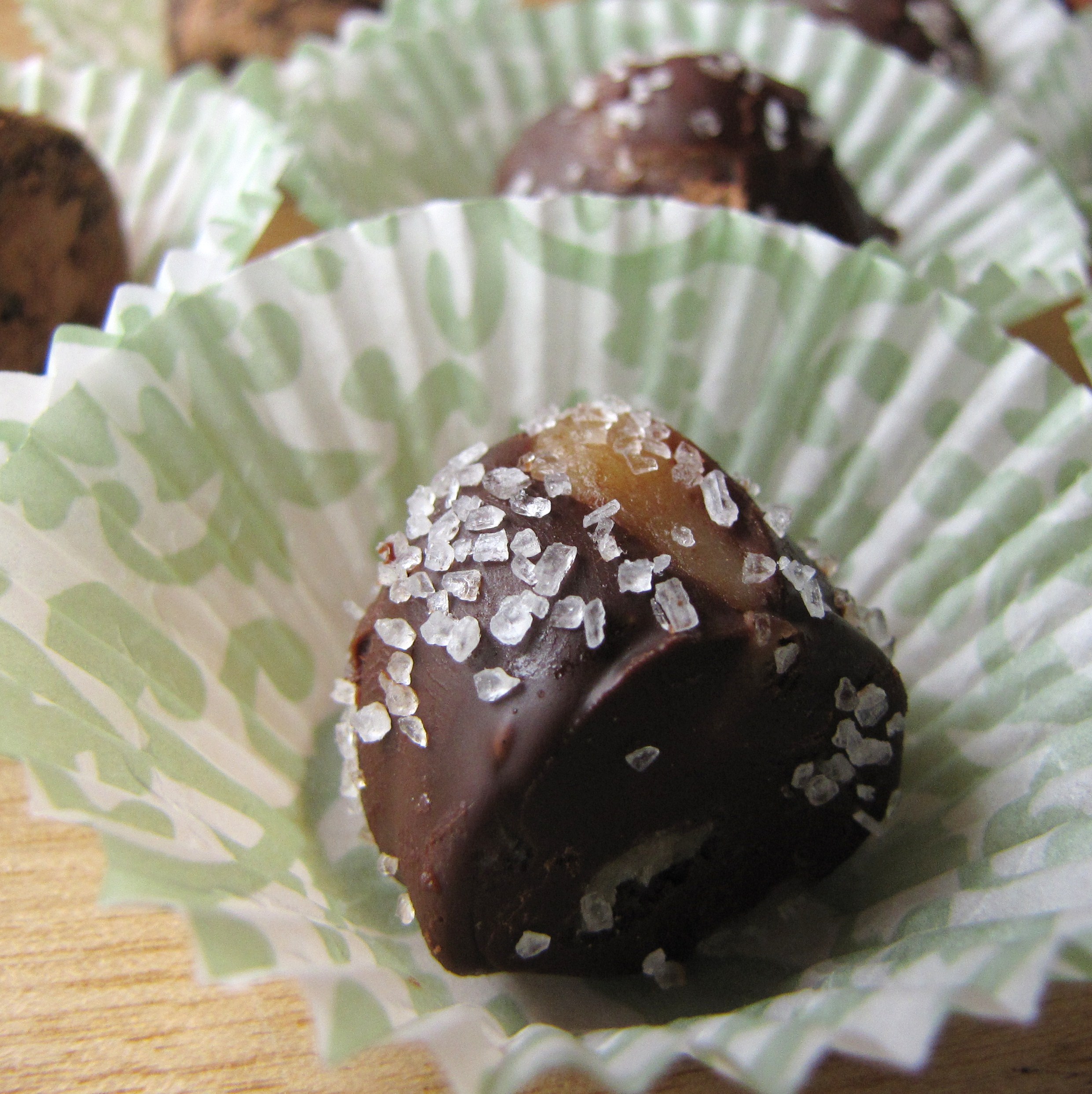
DPS and PlayTime2011 will be tabling on the plaza every day this week in order to try and meet their fundraising goal before the playground build next week.  (For more information on the build or to sign-up, see the PlayTime2011 Facebook page).  Which is where I come in.  Every day I hope to have 2 or 3 treats ready for the tabling crew, with all proceeds going to the playground.  I’m pretty excited about this, and no way was I sticking with chocolate chip cookies and brownies – so you should be excited too.  To start things off, on Monday there will be Snickerdoodle Cupcakes, Mini Strawberry-Rhubarb Crumbles, and these Chocolate-Peanut Butter Truffles that you see all around.  I haven’t finished the cupcakes or the crumbles yet, so I won’t make any claims as to their deliciousness, but these truffles… they are really good.  Like, really really good.  Personally, I think they’re better than Reeses, and I really like Reeses.  In fact, for those of you who have ever been to Sweet Mimi’s… I think they’re as good as Wows.  Yep, I went there.  They’re a bit time consuming to make, but the final product is totally worth it – I’ve been having a hard time limiting myself to the one or two I’m allowed for quality control purposes.  Don’t believe me?  Try for yourself!  Come by the plaza Monday and snag one or two of these before I end up buying them all back.  And be sure to stop back throughout the week to see if I’ve come up with anything else worthwhile!

Chocolate Peanut Butter Truffles

Adapted from Food Network.  Makes about 70 truffles.

  • 1 c. heavy cream
  • 1 c. smooth peanut butter
  • 12 oz. white chocolate
  • 18 oz. semisweet chocolate
  • pretzels, sea salt, turbinado sugar, for decorating
  1. Heat white chocolate just until melted.  Mix peanut butter and white chocolate in large bowl until smooth.  Set aside.
  2. Scald cream over medium heat.  Pour into a small bowl and refrigerate for 30 minutes or freeze for 10, until chilled.  Mix chilled cream with peanut butter and white chocolate.  Cover and store filling in fridge for 24 hours.
  3. Use a melon-baller or teaspoon to scoop out balls of the chilled filling.  Place in rows on a baking sheet.  Freeze baking sheet for 10 minutes, until balls are firm.  In the meantime, heat water in a large saucepan (filled 1/3 of the way) over low heat, then melt semi-sweet chocolate in a smaller saucepan over it (double boiler).  Heat chocolate just until melted, then remove from heat.  Dip chilled filling balls into chocolate, coating on all sides, and place on a baking sheet lined with parchment paper.  I used a toothpick to allow easy dipping.  Freeze coated truffles for 5 minutes to firm up, then remove from freezer.  Dab with a small bit of warm chocolate where you wish to roll in a topping – turbinado sugar and sea salt, crushed pretzel bits, or cocoa powder.  Store finished truffles in the refrigerator (or freezer) until you wish to serve.

ASB: Locavore Durham Restaurants

April 1, 2011 Dessert

ASB: Locavore Durham Restaurants

Yes, it’s been a while since my initial post about the awesome food and farming alternative spring break I took part in a few weeks ago, but I’m definitely not over how cool it was, so I thought I’d share a little bit more.  The trip focused on eating locally and sustainably, as well as learning about where your food comes from and the people who are creating it.  Durham happens to be one of the country’s biggest hotspots for local food – as a growing urban area sitting on miles of tobacco land which is slowly being converted to other types of crops, the city has access to a wide variety of locally-sourced vegetables and animals, as well as a young population ready to commit to eating locally.  The NY Times wrote an article last April about the local food movement here, and this year, named Durham one of the top 41 places to visit in 2011 in the entire world, due to the wealth of excellent, sustainable restaurants in town.  Pretty cool place to be if you’re into food, right?  Even cooler was getting to meet some of the chefs behind the incredible food Durham’s top restaurants are turning out, and then dig in (for free!  Thanks, Duke).  Below you’ll find a brief summary of each of the local restaurants we visited, who we met, and what we learned.

Piedmont – Marco Shaw, the chef and part-owner at Piedmont, is one of the most inspiring people I’ve ever met.  His passion for what he does is apparent in everything from the way he speaks to the way he cooks.  Having worked with Alice Waters at the beginning of his career, the decision to cook locally was an easy one for Marco – when asked why his menus don’t loudly proclaim their sustainable ingredients, he answered that not every restaurateur can afford to make the same choices, but for him, it’s a responsibility.  He also makes it a point to use every part of the animals he gets – my pig trotter tronchon was delicious – and does all of his own butchering (which, after reading Heat’s 50 page description of how complicated it is to butcher anything, completely impressed me).  A final fact – he changes 50-90% of his menu every single day, based on what his farmer’s are able to get to him.  Dedication.

Fullsteam Brewery – Durham’s own micro-brewery, Fullsteam uses local produce to create its seasonal specialty beers, which include rhubarb, persimmon, and basil beers, as well as their famous Sweet Potato Ale.  The brewery is also a favorite destination for the young and old alike – while we were there on a Sunday afternoon there were kids riding tricycles across the open room and even having birthday parties while their parents relaxed with friends and had a few beers, but on a weekend night it has the vibe of any other cool, slightly off-beat bar.

Ninth Street Bakery – Frank, the owner and head-baker at the Durham institution, Ninth Street Baker, has a great hippie baker’s life story.  After dropping out of UC Davis in the ’70s, he lived in a zen Buddhist monastery, which is where he learned to bake.  And baking turned out to be his thing.  Thirty years ago he and his wife began 9th street bakery, way before 9th street was a fun, safe place to go.  Now they’re located downtown, and we had the pleasure of touring the bakery and learning how one churns out hundreds of loaves of bread a day (my favorite part was punching down the dough … that filled an industrial-size trash barrel).  All of their breads and pastries use organic flours and grains, and are completely delicious.  You can buy their sandwich bread at both Wholefoods and Kroger, and it’s 100% worth the extra dollar.

Bull City Burger and Brewery – A brand new restaurant on the Durham scene, Bull City Burger and Brewery opened a week ago to an overwhelmingly positive response.  We met with Seth Gross, the owner and chef, a few weeks before the restaurant was set to open, and he graciously took a few minutes out of the overwhelmingly busy pre-opening schedule to talk to us about his concept.  The restaurant is completely sustainable in its concept – even the tables are made from recycled barn beams.  The beef (grass-fed, but of course) will all be from the region, and hopefully 100% from North Carolina.  The restaurant will use burger toppings from local farmers – so don’t expect tomatoes on your burger in January! – and buns made from locally processed flours.  Even the beer will one day use barley and hops from North Carolina.  On top of all that localness, pints will be $4.50 and burgers are around $6, meaning even I can afford to go there.  A final cool fact about BCB&B – they sponsored the “golden bull contest” for the months before the restaurant opened, hiding 5 golden bulls (Durham – “Bull City’s” – mascot) in various locations downtown, providing clues as to the locations of the bulls each day on their website.  The finders of the bulls won a free lunch every week for a year, and the competition was fierce.

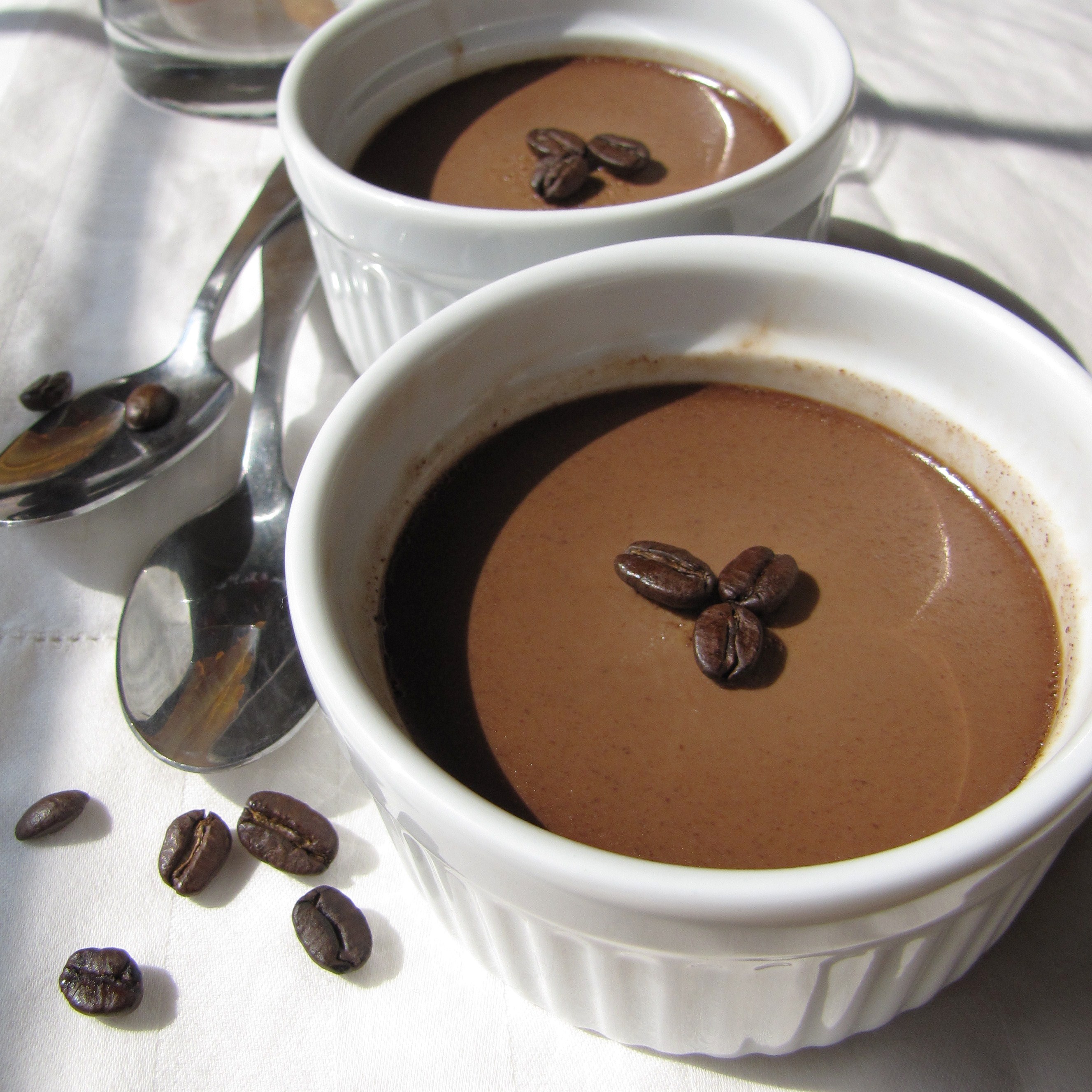
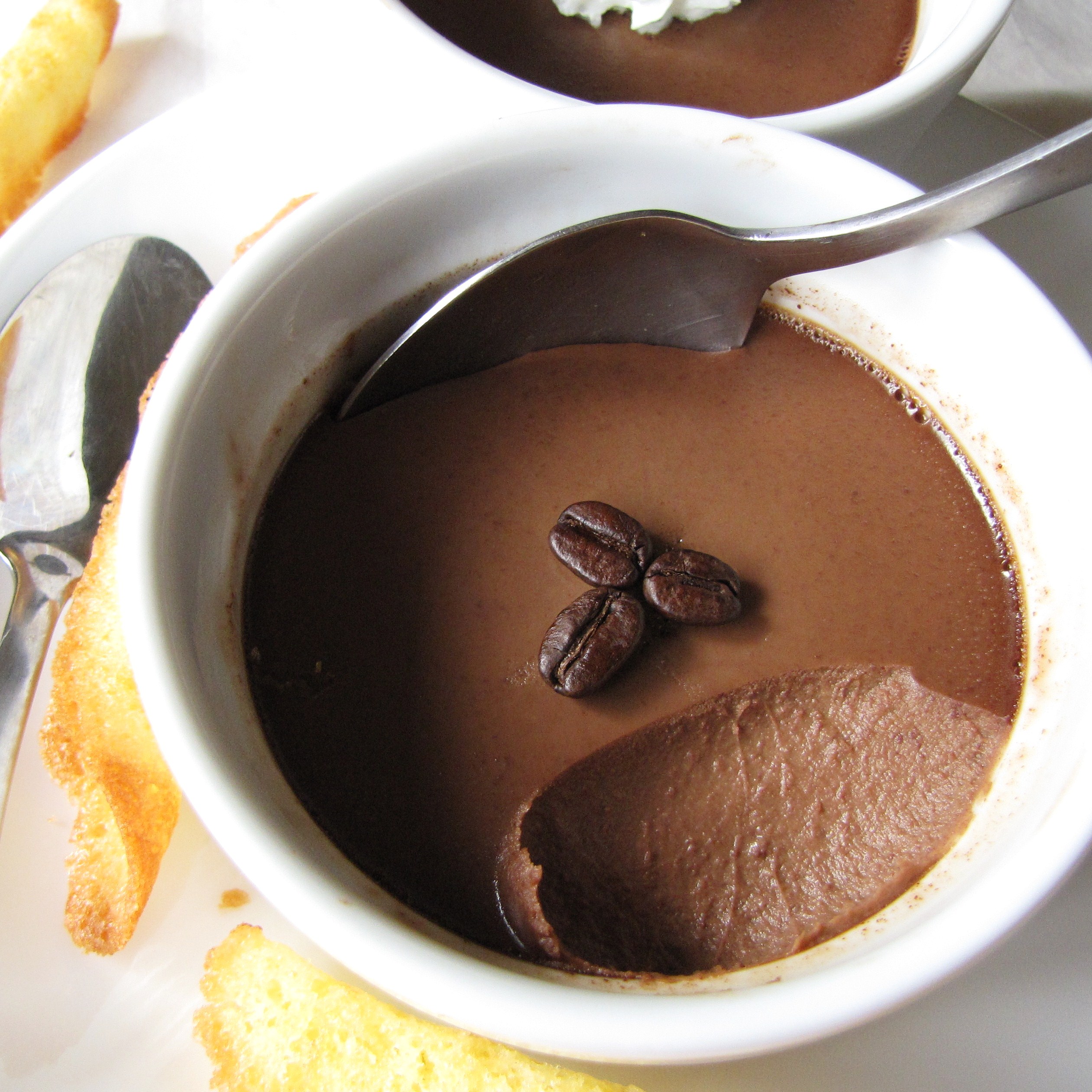
Watt’s Grocery – One of the restaurants I frequent most in Durham, Watt’s ascribes to the same concept as Piedmont, and attempts to source as many of their ingredients locally as possible.  While after listening to Marco some of us were a bit disappointed to hear that they don’t change their entire menu every day, it was important for us to learn that using local ingredients is a serious commitment for a restaurant.  All of the restaurateurs we spoke with mentioned the difficulty of adapting to the variability of what farmer’s can give you in any given week – if you planned your entire menu around the availability of 6″ tomatoes and your farmer can only give you cherry tomatoes, you have to adapt fast, and not every restaurant has the resources to do so.  Watt’s is up there with the best in terms of sustainability, and their food is delicious.  During our extended three course dinner I had their hush puppies with basil mayo, rib eye with farmer’s cheese dumplings, and incredible lamb meatloaf with a farro salad.  Then, for dessert, our table ordered every single dessert on the menu and demonstrated excellent sharing abilities by each taking one bite and passing the dessert on.  The almost unanimous favorite dessert was the espresso pot de creme, which brings me to today’s recipe!

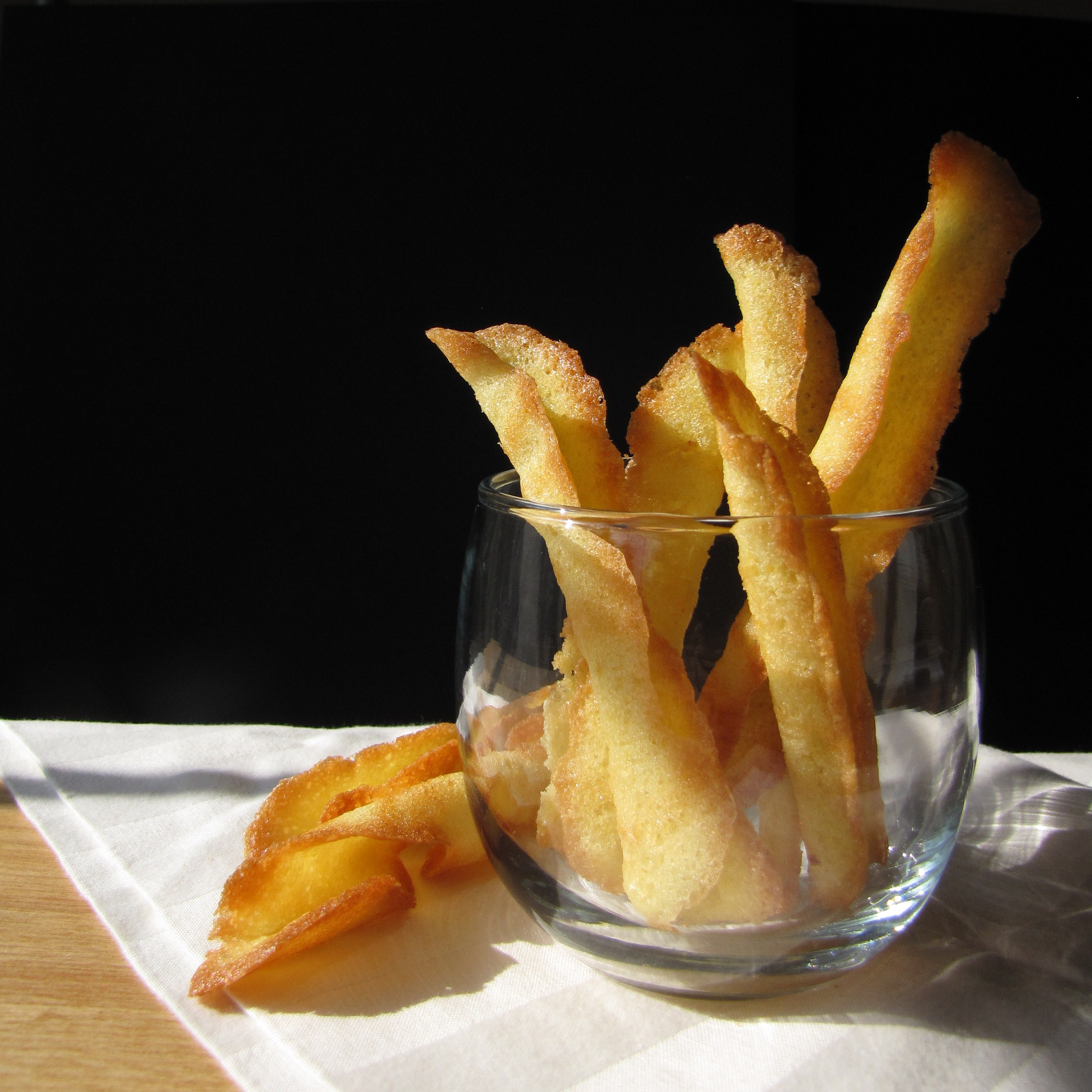
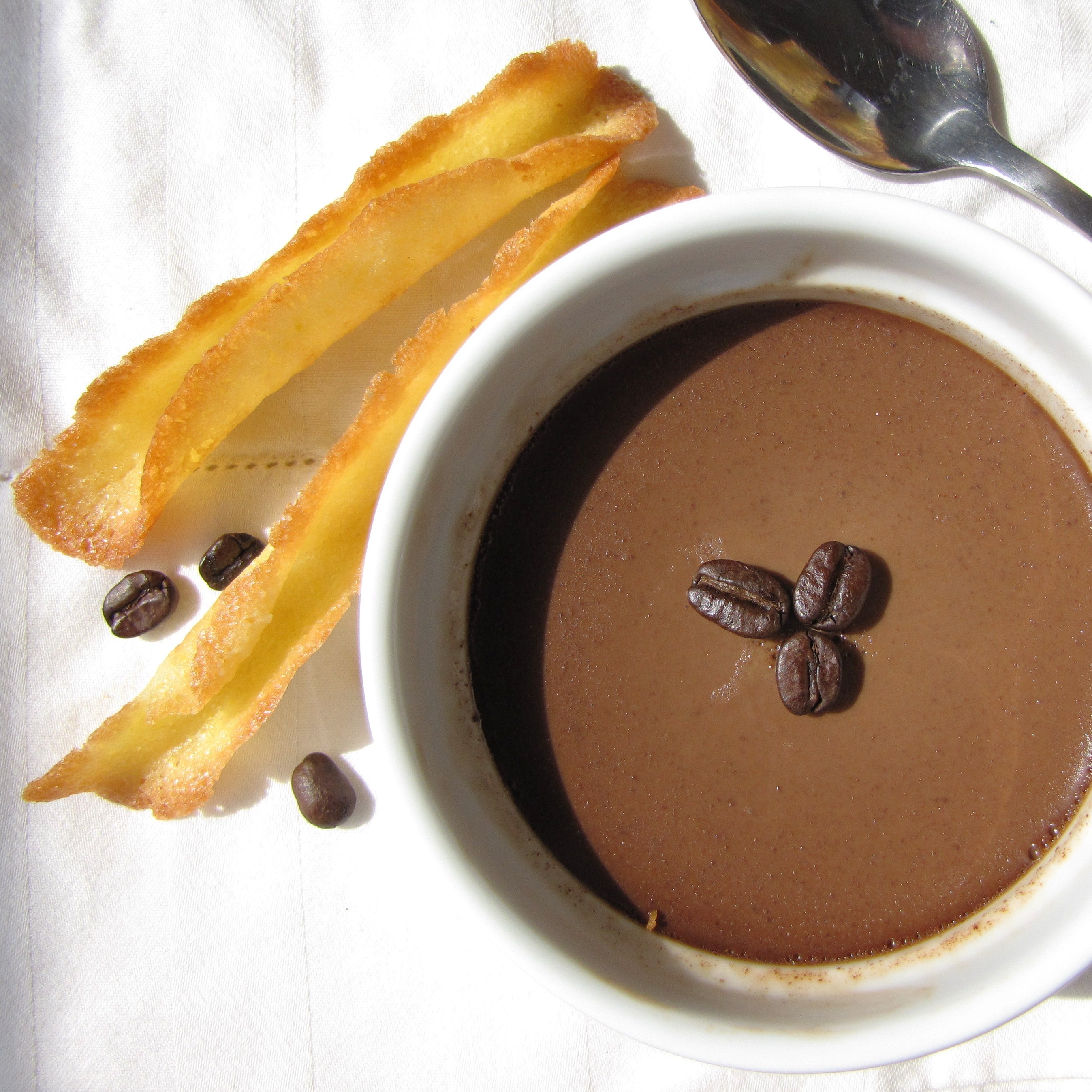
My version of the incredible espresso pot de creme we had at Watt’s is not quite as good as theirs, but it is pretty excellent.  The recipe is straight forward and not too time-consuming, although it does use a large number of bowl (never a plus in my kitchen).  It is an extremely thick and rich dessert, and a little goes a long way.  I do wish that it was a bit creamier – the density of this is similar to that of pumpkin pie, and next time I might up the cream to egg ratio in order to achieve a more “mousse-y” consistency.  To serve with it I made a batch of lemon peel tuiles to emulate the Italian tradition of serving espresso with a twist of lemon.  The tuiles were fun to make, used up all the leftover egg whites from the pot de cremes, and turned out perfectly – wonderful lemon flavor, well formed, and a crunchy bite!  A great afternoon snack for this rainy spring week.

Chocolate Espresso Pot de Creme

Recipe adapted from Gourmet.  Serves 4.

  • 3 oz. high quality bittersweet chocolate, broken into small pieces
  • 3/4 c. heavy cream
  • 1/4 c. whole milk
  • 1 1/4 tsp. espresso powder
  • 3 egg yolks
  • 1 TBS sugar
  1. Preheat oven to 300°F.
  2. Place chopped chocolate in a medium heat-proof bowl.  In a separate, larger bowl, beat the egg yolks with the sugar, and set aside.  Bring cream, milk, and espresso powder just to a boil over medium heat, whisking until all espresso powder is dissolved.  Pour hot cream over chocolate, whisking continuously, until mixture is smooth.  Then pour hot chocolate mixture over egg yolks in a slow stream (so as not to scramble the eggs), whisking continuously, until smooth.  Pour custard through a sieve into a glass bowl and let sit for 15 minutes.
  3. Prepare a hot water bath: place a kitchen towel or dishcloth on the bottom of a baking pan large enough to hold your 4 ramekins.  Bring a pot of water to a boil.  Divide the chocolate-espresso custard evenly between 4, 4-oz. ramekins, and place on top of the dishcloth in your baking pan.  Carefully pour the boiling water around the edges of the ramekins so that it rises 2/3 of the way up the sides of the ramekins.  Cover the baking pan and ramekins with a piece of aluminum foil, poking several holes in the top to allow steam to escape.  Place in preheated oven and bake for 30-35 minutes, until custards are set on the edges but still slightly soft in the middle.  Remove from oven and allow to cool.  Cover and refrigerate for at least 4 hours before serving.  Will keep covered in the fridge for 3-4 days.

Lemon Peel Tuiles

Recipe from Gourmet.  Makes 3-4 dozen cookies.

  • 1/2 c. sugar
  • lemon zest from 4 medium lemons
  • 1/2 stick salted butter, softened (room temperature)
  • 1/2 tsp. vanilla
  • 2 egg whites
  • 1/4 c. AP flour
  1. Preheat oven to 350°F.  Line a baking sheet with parchment paper.
  2. In a food processor, pulse the sugar and the lemon zest a few times until evenly mixed.  (This lemon-sugar smells lovely and could be used for lots of other purposes…)
  3. Beat the lemon sugar with the butter until smooth and fluffy.  Add vanilla and egg whites and mix until well-combined.  Add flour and mix until just combined.  Spoon batter into a pastry bag (or a ziploc bag with the tip snipped off), and gently pipe 6 inch long stripes about 3 inches apart.  Cookies should only be about 1/4 inch wide, as they will spread a lot in the oven.  Bake for 8 minutes, or until the edges are beginning to brown.  (Underbaked cookies will not form shapes as well and will have a chewy texture; golden-brown cookies will form very well and have a great crunch plus a slightly caramelized taste).  Remove tray from oven and immediately and gently remove cookies from pan and drape over a dowel, forming an enclosed circle lengthwise around the dowel.  (You could also use a mixing spoon handle, but you’ll run out of space quickly!)   If cookies begin to harden to much to form, place the tray back in the oven for 30 seconds to re-soften.  Repeat with remaining batches of cookies.  Don’t remove cookies from dowel until hardened, which takes about 3-4 minutes.
  4. Cookies can be stored in an airtight container at room temperature for up to 5 days.
Grapefruit Buttercream

March 27, 2011 Dessert

Grapefruit Buttercream

Over the weekend, I developed three wasabi-centric recipes for the last round of the Marx Food contest that I’ve been participating in for the past 7 weeks.  I only submitted one of my three recipe so the contest, but I still enjoyed the other two.  One of the rejected recipes was for wasabi cupcakes with grapefruit buttercream and caramelized grapefruit.  While the wasabi cupcake wasn’t my favorite, the grapefruit buttercream was incredible and I’m pretty proud of myself for developing the recipe.

My problem with most grapefruit flavored baked goods is that they don’t taste at all of grapefruit – it’s a hard flavor to instill because grapefruit juice is fairly dilute, so it’s hard to maintain its bright, juicy flavor while also keeping a reasonable wet-dry ratio in your recipe.  I’ve tried grapefruit curd that only tasted slightly citrusy, grapefruit frosting that was far too runny to use, and grapefruit cake with a cup of grapefruit juice but no flavor to it at all.  This time, I wanted to really get that grapefruit flavor, so I decided to create my own grapefruit concentrate and use that as my flavoring.  I boiled a cup and a half of ruby red grapefruit juice for about 40 minutes, reducing it to about 1/4 cup of viscous liquid.  This grapefruit reduction was so tart, while retaining its juicy flavor, that I had high hopes for it.  I mixed a basic buttercream up, omitting half the liquid ingredients (cream and vanilla) and added 3 TBS of the grapefruit concentrate to it.  Voila!  The frosting was firm, pipable, a lovely pink-orange color, and actually tasted like grapefruit.  Great success.

Grapefruit Buttercream

Makes about 1 1/2 cups, or enough for 12-14 cupcakes

  • 1 1/2 c. grapefruit juice
  • 1 stick salted butter, room temperature
  • 2 c. confectioner’s sugar
  • 1 TBS heavy cream
  1. Cook the grapefruit juice over medium-high heat in a small saucepan, stirring occasionally, for about 30-40 minutes, or until the juice has reduced to about 1/4 c. and is beginning to act syrupy.  Skim any foam off the top and discard.  Allow to cool completely before using in the frosting, or store in the fridge until ready to use.
  2. In a large bowl, beat the stick of butter with a wooden spoon until it is smooth.  Add 1/2 c. of the confectioner’s sugar and stir in until all of the sugar is incorporated.  Then beat vigorously for a minute or so.  Add the remaining confectioner’s sugar, scraping any excess down the sides.  Incorporate, and then beat vigorously for 3 minutes, until fluffy and smooth.  Add the 1 TBS of heavy cream and beat in.  Add 2-3 TBS of the grapefruit reduction and incorporate thoroughly.  Taste.  If it needs more flavor, add the remaining grapefruit reduction as well as an extra 1/2 c. of confectione’rs sugar in order maintain the consistency.
Wasabi Trio

March 26, 2011 Recipe

Wasabi Trio

In the fourth and final round of Marx Food’s Ridiculously Delicious challenge, the Marx dudes sent each of the ten remaining competitors something pricey, perishable, and totally foreign to me – fresh wasabi root.   I was immediately excited about working with a completely new ingredient (I don’t even eat sushi so I’m really a wasabi newb) because it’s much easier to be creative when you don’t already have strong associations with an ingredient.  So, wasabi safely wrapped in a damp paper towel and stored in the fridge,  I began learning, using the collective experience of the food-loving internet as my guide.

In the end, I had a lengthy list of flavor combinations and recipe ideas, ranging from dark chocolate, candied ginger, and wasabi cupcakes to a garlic and wasabi crusted Ahi tuna.  For the past two weeks I have been entirely bogged down with work and major deadlines, so I haven’t had any time to think creatively or cook or read or do much of anything that wasn’t directly related to engineering.  With this wave of deadlines finishing up this weekend, I decided to get all of my pent up creative cooking energy out there at once, and create a wasabi trio.

I wanted my wasabi trio to consist of three distinct elements, all with wasabi as a primary flavor, that complemented and enhanced one another.  They would be served together, so that a bite of one could be followed by a bite of another to a positive effect.  Running down my list of ingredients, I chose several that seemed to all work together: wasabi (duh), avocado, grapefruit, ginger, and apple.  Beyond the flavors needing to combine well, I wanted the three dishes to vary in temperature and texture, as well as in visual presentation.  My original menu?  Chilled avocado-wasabi soup with caramelized grapefruit, wasabi-potato latkes with fuji-ginger sour cream, and wasabi cupcakes with a grapefruit buttercream. Since the challenge only called for one recipe, however, I decided to make all three and only submit the one that turned out the best.

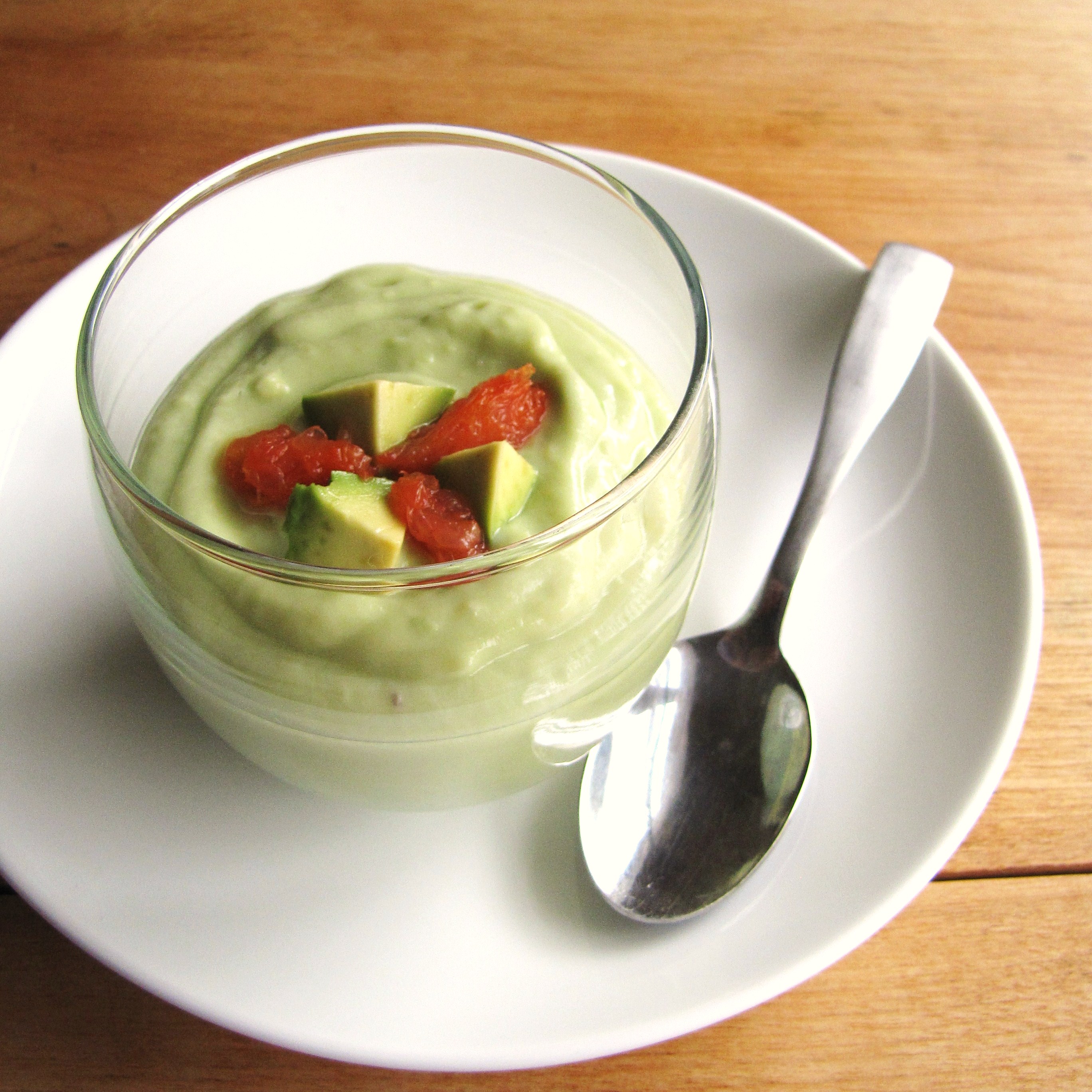
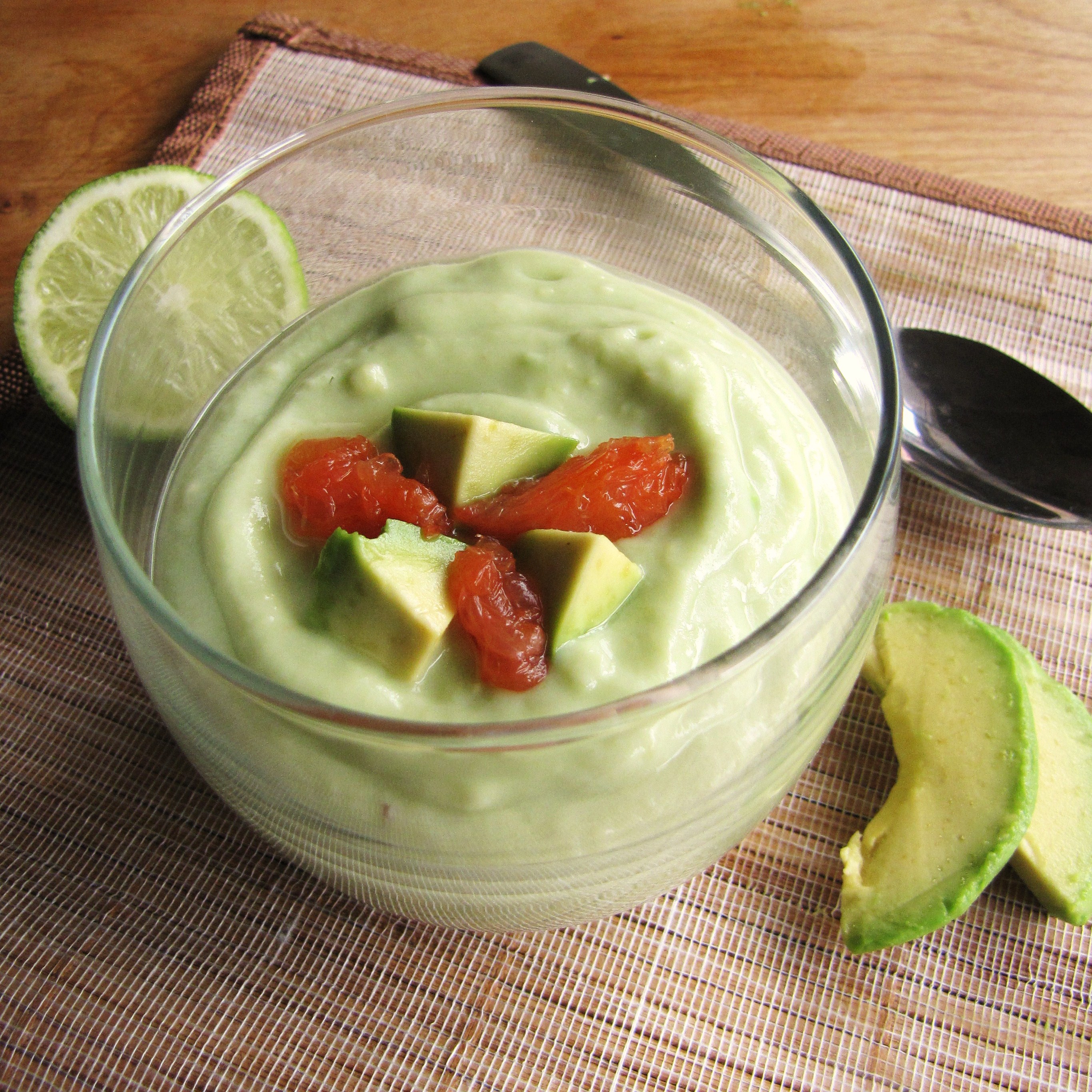
Clearly, my visions for these ugly little roots were grand.  My successes?  More moderate.  All three dishes were good, but only the soup really allowed the wasabi to shine through, which, after all, was the point of the challenge.  The latkes were delicious but didn’t have any wasabi taste at all, and the cupcakes were great but with only a mild hint of spice (which, to be fair, is probably how you would want a wasabi cupcake to taste).  The soup however, had a pleasing hit of wasabi at the first bite, followed by the scent of lime and the smooth, mild avocado taste.  So the avocado-wasabi soup it is!  Which is kind of exciting because it’s also the recipe that was the most original, i.e. I didn’t just add wasabi to someone else’s recipe.  Minus the caramelized grapefruit, which could easily be replaced by a few chunks of fresh grapefruit, this soup is super quick to throw together and full of delicate flavors.  Salt very gently, as even a little bit too much salt will overwhelm the flavor of the avocado and lime.  It could be served with the grapefruit still warm to contrast the smooth, cool avocado, or with a few sesame seeds or tortilla chip pieces on top for a contrasting texture.

For those of you eyeing the cupcakes or craving latkes, I’ll be posting the wasabi-free versions of those recipes soon!  Although, you could always throw a little fresh wasabi in there for good measure…

Chilled Avocado-Wasabi Soup with Caramelized Grapefruit

Serves 1-2.

  • 1 avocado, peeled and pitted
  • ½ c. buttermilk
  • ½ c. water
  • 1 tsp. fresh Daruma wasabi, finely grated
  • 2 tsp. lime juice
  • Pinch of sea salt
  • ¼ grapefruit, cut into ½ in. chunks
  • ¼ c. sugar
  1. In a food processor or blender, blend the avocado, buttermilk, water, wasabi, and lime juice until smooth.  Add more water if consistency is too thick.  Pour into a bowl, and season very gently with sea salt.  Store in fridge until ready to eat.
  2. Add sugar to a frying pan on medium-high heat.  Stir sugar gently as it melts.  When all sugar is liquid, add grapefruit segments, and allow to cook in sugar for 2 minutes, then gently flip and caramelize the other side.  Grapefruit will take on a light, golden tinge.  Caramelize in batches if necessary – overcrowding the pan will not allow the grapefruit to caramelize properly.
  3. Top chilled soup with warm caramelized grapefruit.  Other possible toppings include avocado chunks, sesame seeds, and crushed tortilla chips.
ASB: Knowing Your Farmers

March 12, 2011 Breakfast

ASB: Knowing Your Farmers

For the first four days of spring break, I took part in an alternative spring break program called “Being a Locavore: Food and Farming in the Triangle.”  Um, right up my alley, no?  As soon as I saw the itinerary, which included tours and work at local farms, meet and eats with local restaurant owners, brewery and bakery tours, and communal cooking, I was super excited, and I ended up having an incredible time.  As with most experiences, the people you are with can really make or break a trip, but despite my slight initial concern that I would end up spending four days with a bunch of off-the-charts crunchy, mildly anti-social people, this group was awesome.  With a 50/50 Duke-UNC split, a strong contingent of graduate students, and majors ranging from Christian ministry to electrical engineering to Southern studies, the diverse perspectives represented in each conversation was one of my favorite things about the trip.  Conversation was diverse and constant, and topics covered included vermiculture, how and when to pick okra, whose grandmother pickled what how, how movie rental stores are dying out, the major and not-so-major cultural differences between Duke and UNC, deep sea diving, bad first dates, and the intersection of religion and food, just to name a few.  I arrived home each night exhausted as much from the intellectual stimulation as from the travel, work, and extensive energy required to eat … um I mean work… the amount that we did.

On each day we participated in so many activities, met with so many different fascinating people, learned so many new things, and ate so much delicious food that I couldn’t possibly cover everything I want to share in one post.  So I’ll spend the next week or so covering a few things we did each day and trying to recreate some of the recipes I most enjoyed over the course of the trip.  To get going, as Julie Andrews likes to say (sing), “let’s start at the very beginning, a very good place to start.”

After meeting bright and early Saturday morning, we walked together to Durham’s Farmer’s Market, which, even in the very beginning of March, is a hopping place.  We spoke briefly with the market manager, Erin, about what differentiates the Durham market, and North Carolina markets in general, from others.  The biggest difference I could pick out was that prices for vendors to participate in NC markets are much, much lower than the national average.  Go North Carolina!  We then split into small teams, and each team was assigned two ingredients to seek out.  The goal was to talk to the farmers selling our assigned ingredient and learn about their background, their practices, their favorite ways to cook with the ingredient, etc. – anything to develop a relationship with the person growing and selling you your food, which, I’ve come to realize, is a huge part of the whole local food movement thing.  In my mind the importance doesn’t come so much from knowing exactly how everything is grown and processed and transported, but from it’s motivational purpose.  Since many agree that eating local is good for the environment, for the economy, for your own health, and for the flavor of food, but can seem prohibitively expensive to some, knowing and liking your farmers is where I can see finding incentive to buy local more often.  If you are deciding between spending $6 on a log of chevre from a woman who you know and joke with and who has fed you lunch and $4 on a similar log from the cheese counter in your grocery store, it can be easier to justify the extra $2 when there’s a personal relationship behind the exchange.  At least for stingy old me.

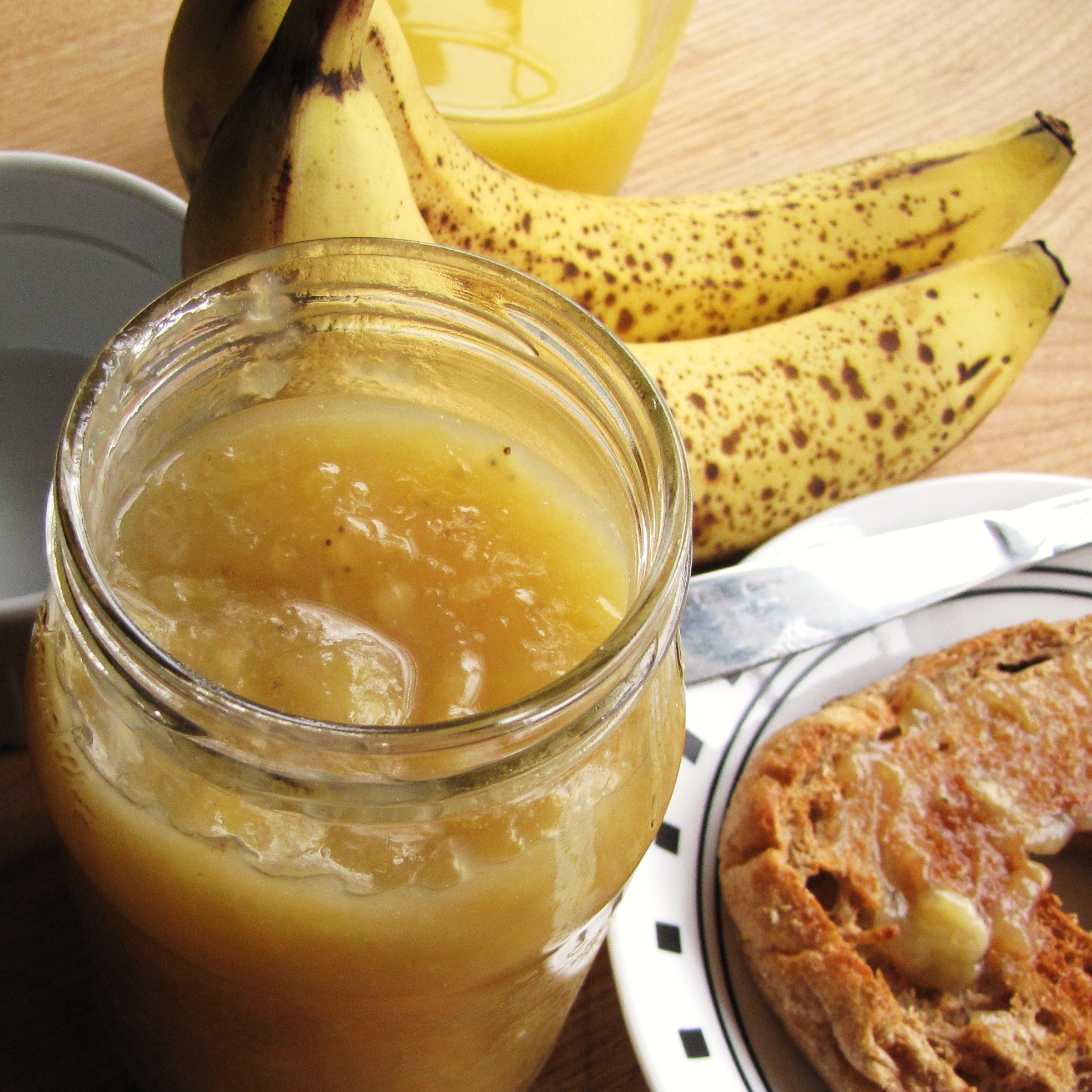
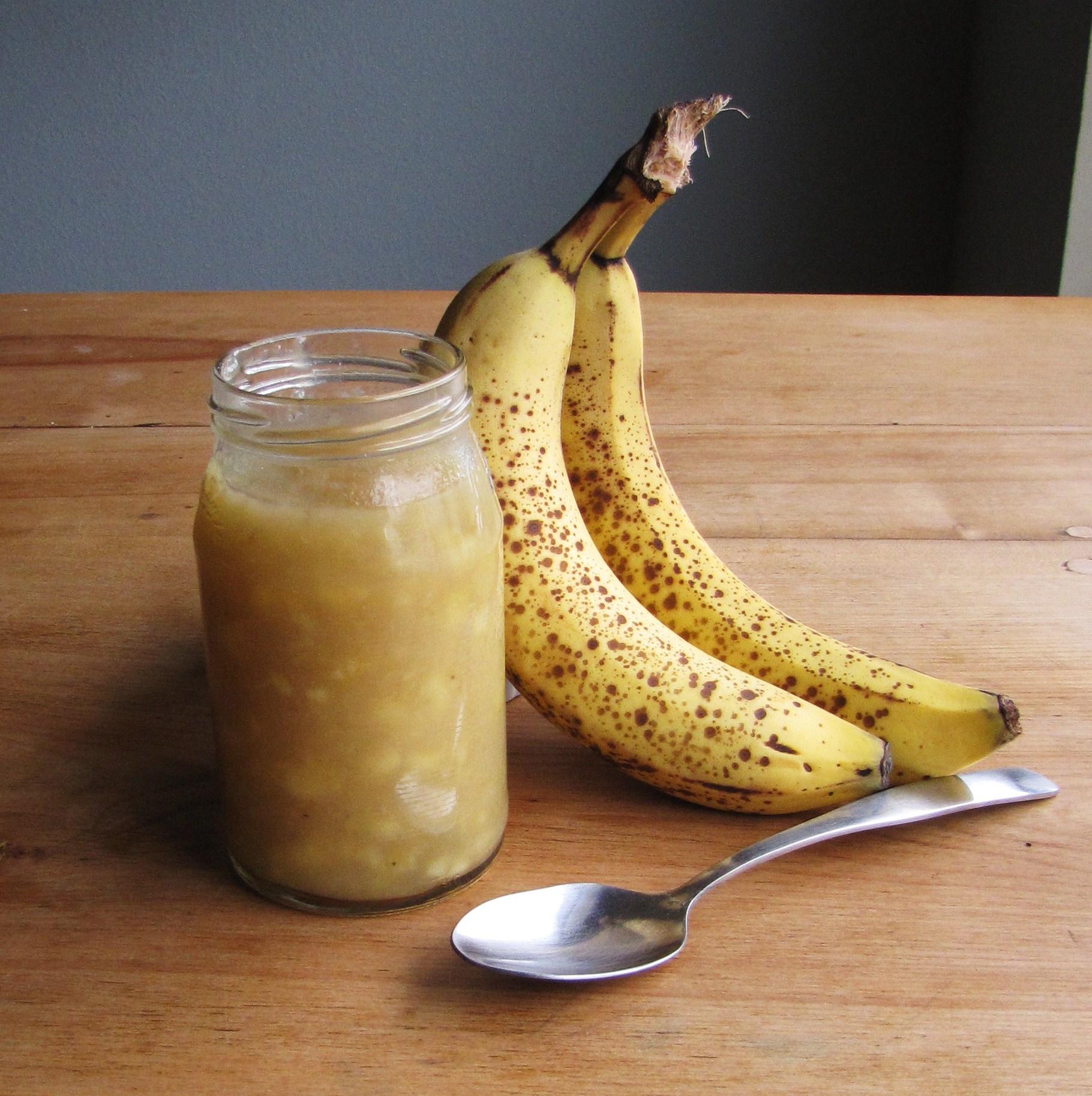
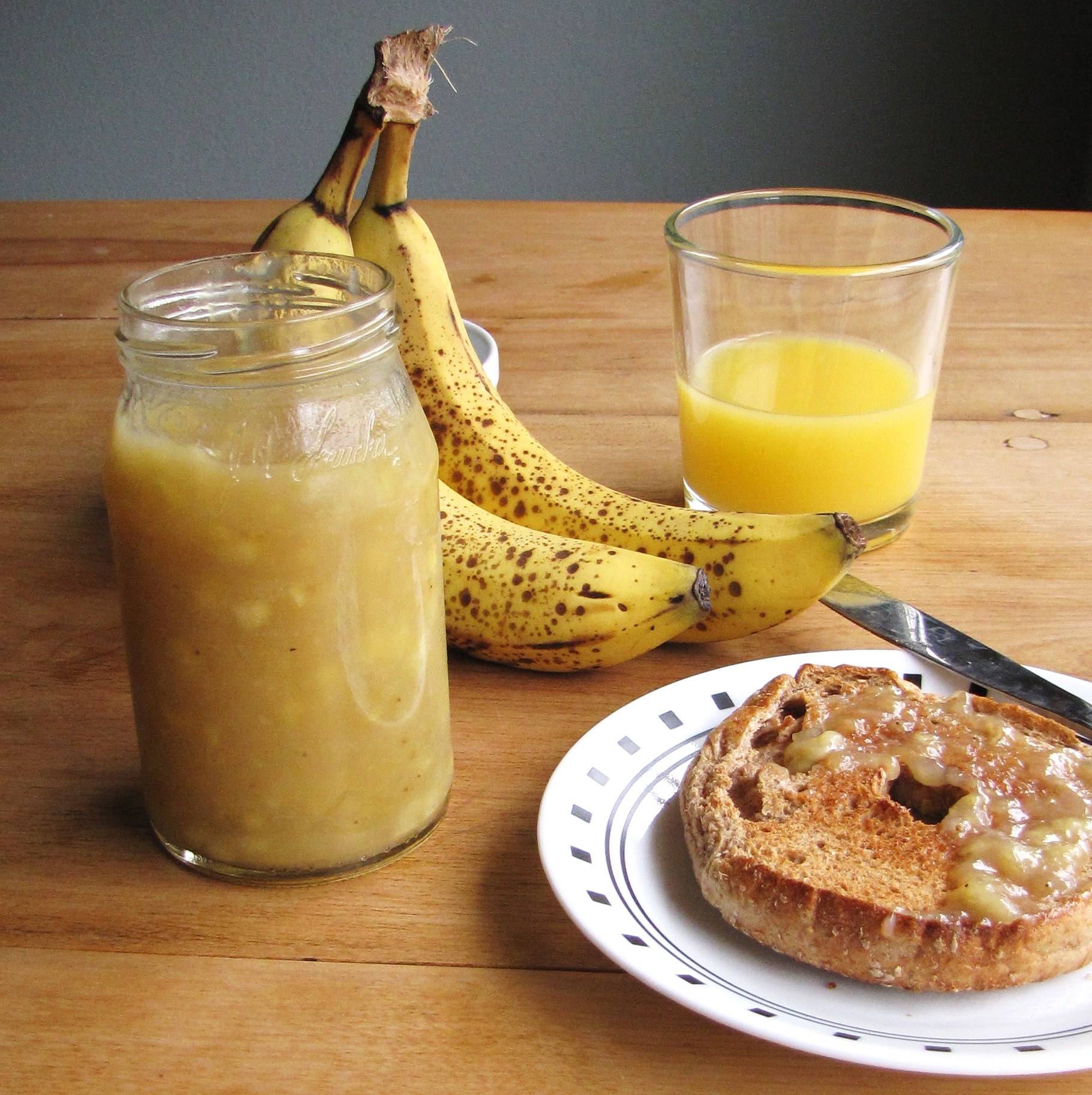
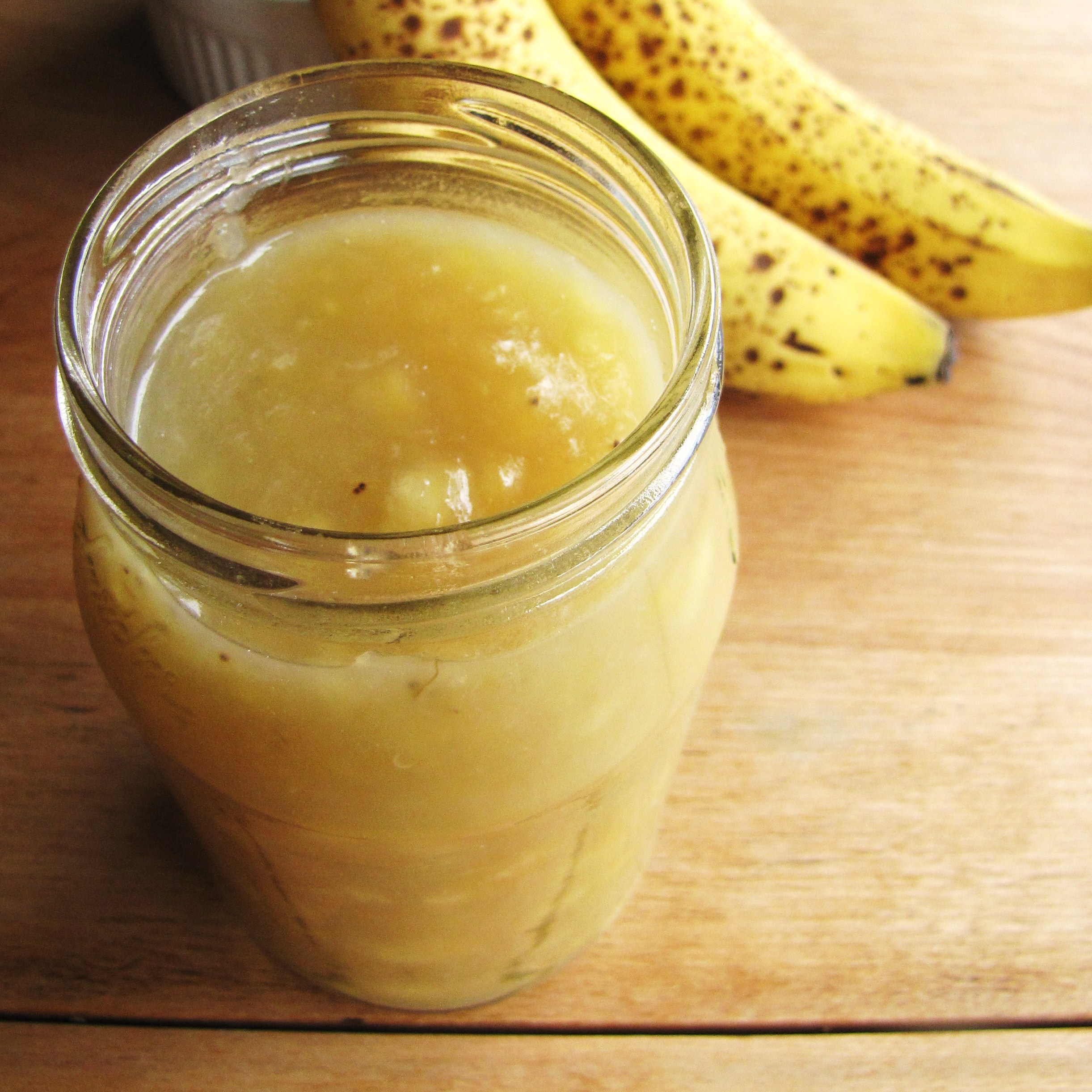
One of the ingredients that my team was assigned to purchase was jam.  Two vendors were selling jam at market – Amy was selling an array of fruit butters, pickles, and pepper jellies, and the man from Benjamin Vineyard and Winery was selling a grape jelly made from his own muscadine grapes.  I was obsessed with the banana butter Amy was selling, but Shannon wanted to stick with the theme of staying as local as possible, so we ended up getting some jam from each vendor.  We’re so choosy.  Really though, this banana butter is so incredible, which is why it is the recipe of honor for today’s post.  Amy told me that the trick in getting the banana butter right comes from using the bananas at their perfect ripeness.

After the Farmer’s Market we spent time both at the Duke Campus Farm and cooking an elaborate, slightly stressful dinner, but since we spent the majority of the day on Tuesday at the farm and I have a whole series of thoughts on the phrase “too many cooks in the kitchen,” we’ll save those for later.  In the meantime, enjoy my delicious approximation of Amy of Durham’s even more delicious banana butter.  My favorite ways to eat it include on french toast, mixed into vanilla yogurt, on a peanut butter sandwich, and by the spoonful.  I just made one jar’s worth so I didn’t bother to can it, but it could easily be preserved.  If you do decide to preserve it, make sure you check that the amount of sugar in this recipe is enough for the pectin you’re using – I reduced the amount of sugar by half from the recipe I referred to, but that can be dangerous if you’re truly preserving your food (as we learned from Emily’s canning workshop on Sunday!)  An un-preserved jar will keep for a week or two on the fridge.

Banana Butter

Makes 2 1/2 cups.  Adapted from Kraft Recipes.

  • 4 ripe bananas
  • 3/4 c. sugar
  • 2 TBS lemon juice
  • small pat butter
  • 1 tsp. cornstarch mixed with 1 tsp. hot water
  1. Thoroughly mash bananas (I used my hands to get all the little pieces out) and add to a medium saucepan with the lemon juice and the butter.  Bring to a boil, stirring all the while.  When it is fully boiling, add all sugar at once.  Reduce heat slightly to help reduce spitting.  Cook, stirring constantly, for 1-2 minutes.  Add cornstarch and water mixture, and continue to cook/stir until the jam has thickened to your desired consistency, adding more cornstarch if necessary.
  2. Pour hot jam into your prepared jars or bowls – glass jars should be pre-warmed so that they don’t shatter on contact with the hot jam.  Allow to cool, then refrigerate.
RD #3 – Spicy Cherry-Chocolate Souffles

March 9, 2011 Dessert

RD #3 – Spicy Cherry-Chocolate Souffles

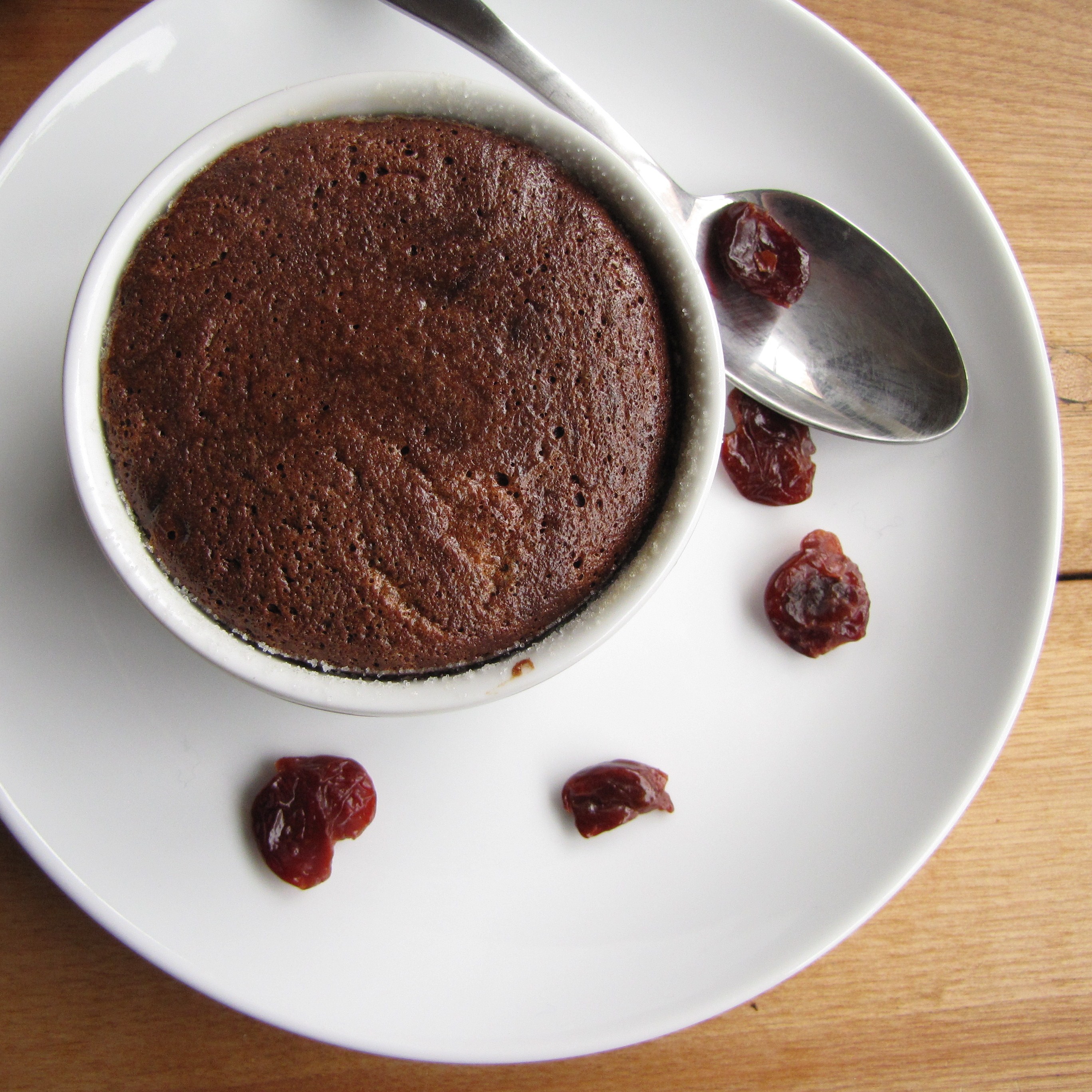
First and foremost,  a huge thank you to everyone who took the time to vote for my entry in round 2!  And a special shout out to my dad and all his soccer buddies, who showed tremendous and immediate support when called upon.  With 94 wonderful people voting for me, I came in 3rd place, solidly placing me in the top 15, meaning that I get to continue with the Ridiculously Delicious competition by re-making one of the other competitor’s dishes using 3 of my previously unused ingredients: grains of paradise, dried tepin peppers, juniper berries, coconut sugar, dried cherries, and saffron threads.

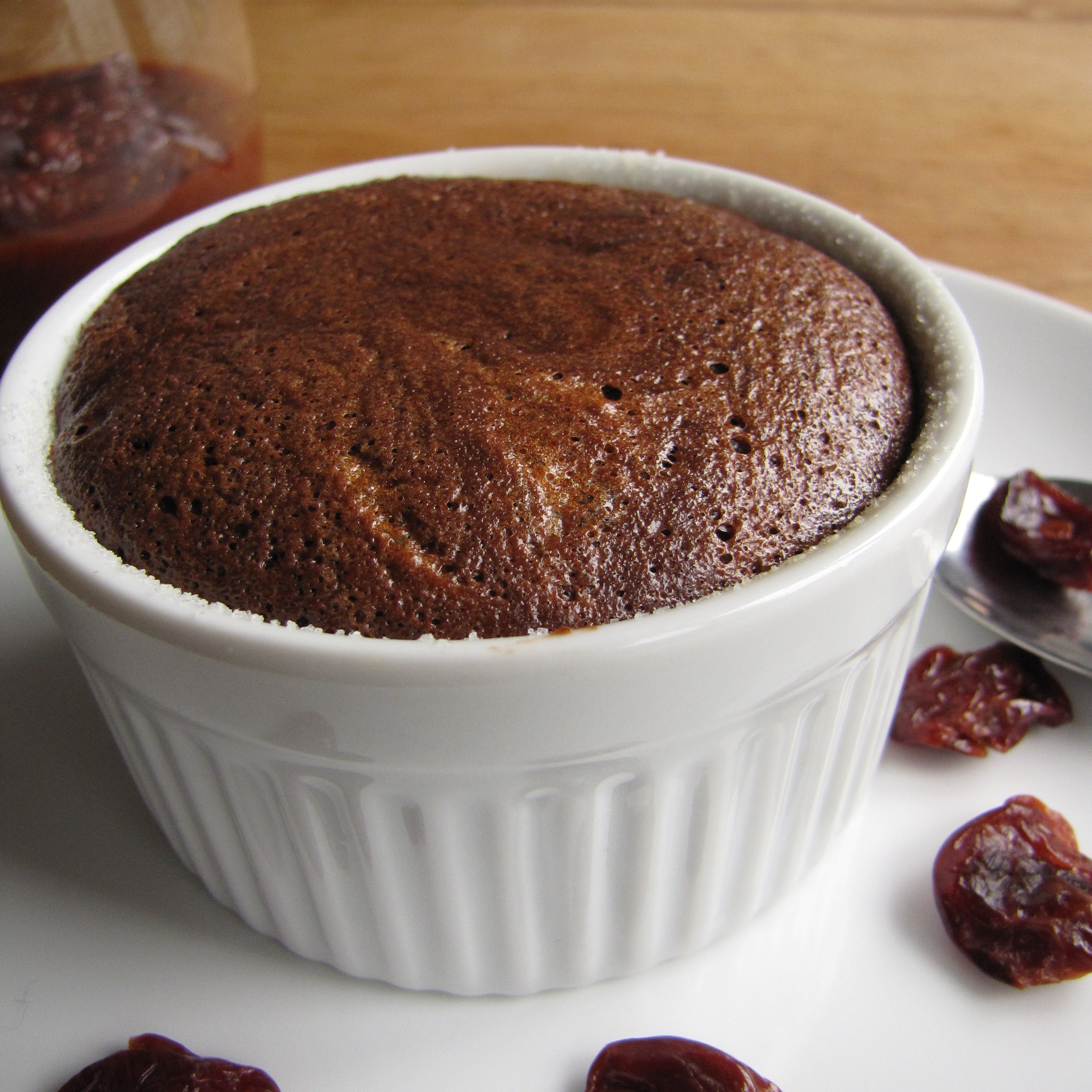
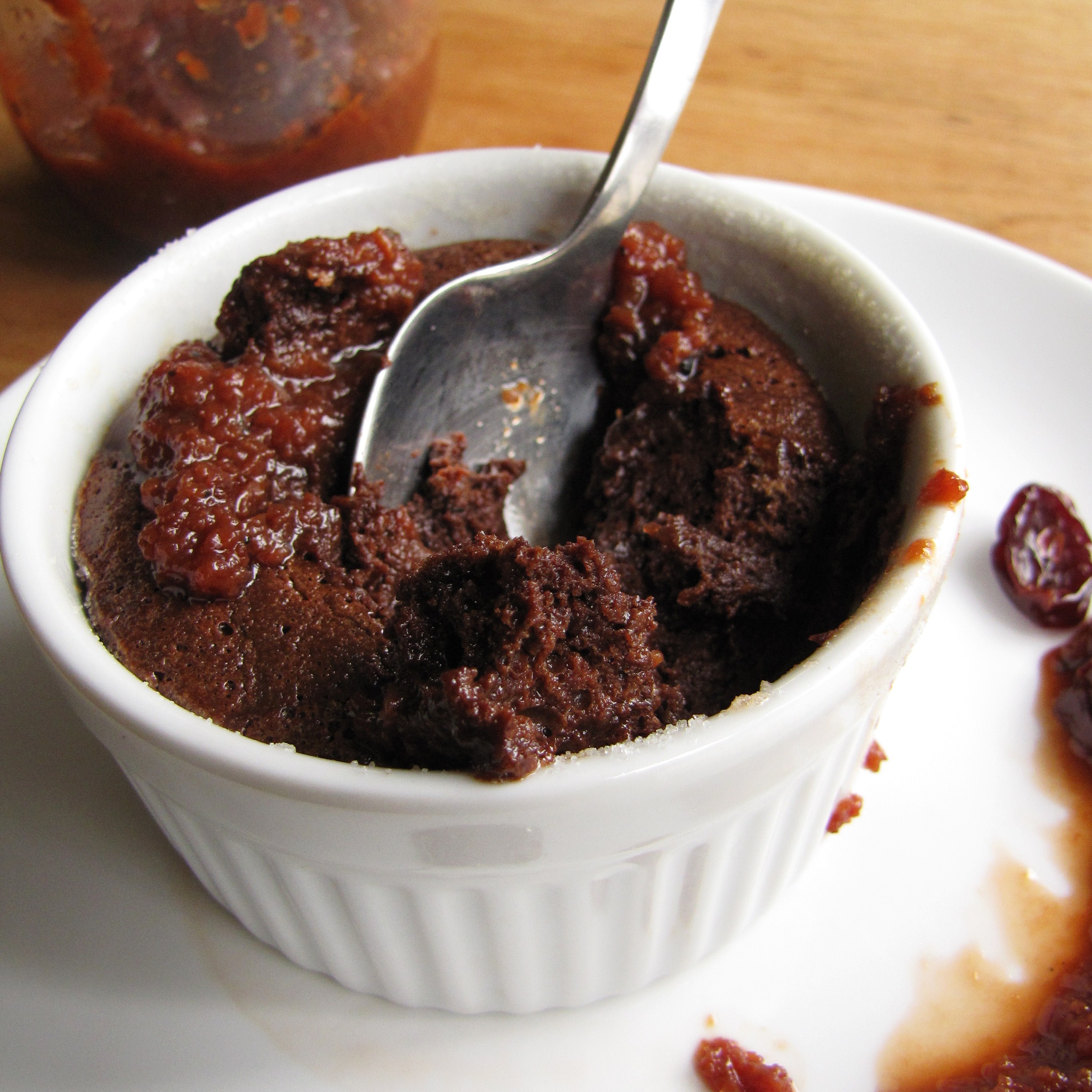
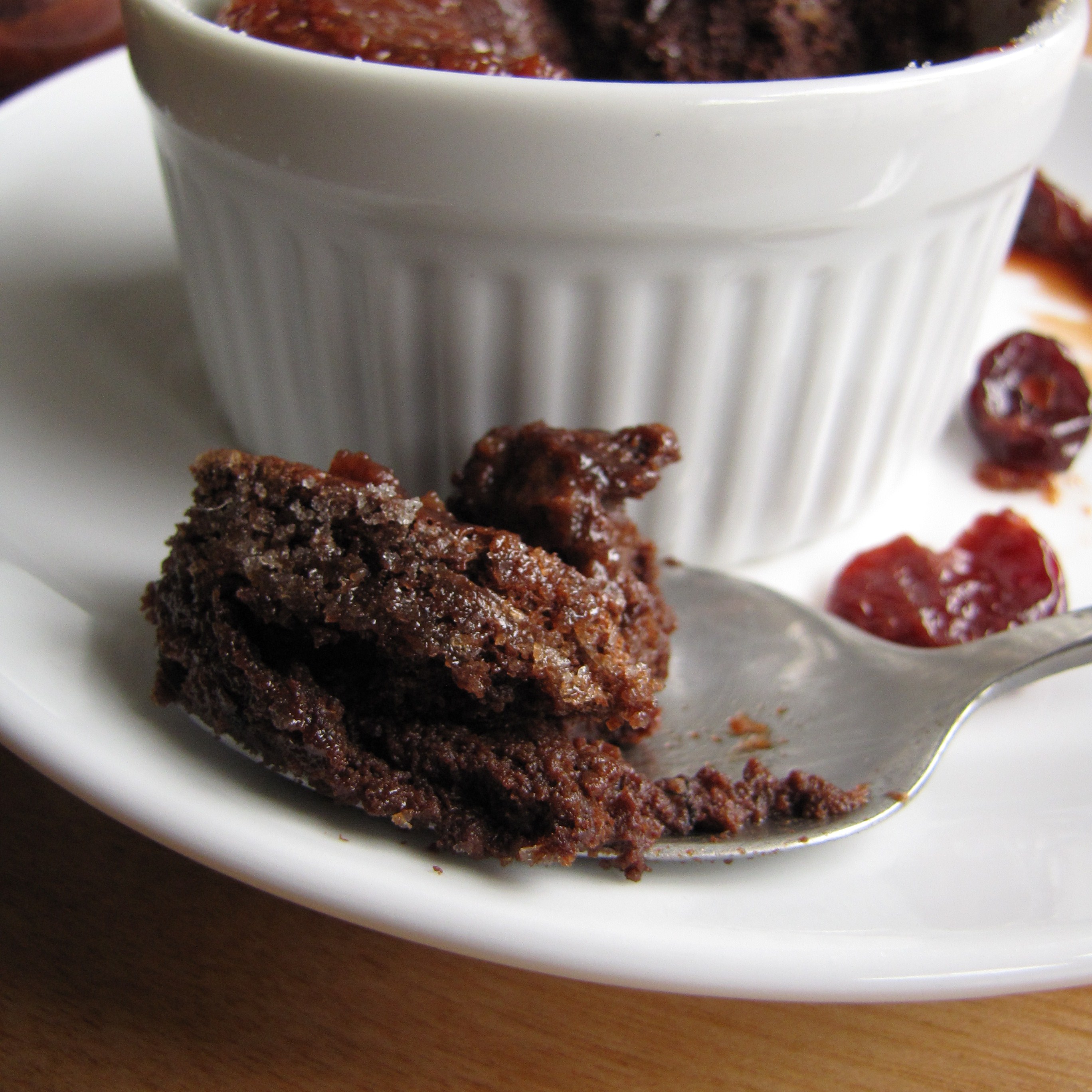
Many of the round 2 recipes looked delicious, with desserts making up about half of the entries.  Since I went savory in round 2, I decided to go sweet with my round 3 entry.  From the sweet recipes, Big Apple Nosh’s spicy cherry truffles really jumped out at me.  The most important part to me in the reinterpretation of the dish was to keep the same flavor profile and idea – rich, dense chocolate; tart, bright cherry, and spicy peppercorns.  The integrity and combination of the flavors should stay the same.  The form, however, was up for consideration.  I decided to invert the truffle so that the chocolate was on the inside and the cherry was on the outside – to be more specific, a rich chocolate souffle with a spicy cherry sauce on top.

I was surprised by how well this came together.  Usually, the recipes I create myself are good, edible, but lacking finesse, and I’ve only created a handful of dishes that caused me to reach for the leftovers with enthusiasm.  This sauce, however, was complex, flavorful, and much better balanced than most sauces I throw together.  I had decided to replace the Szechuan peppercorns in the original truffle recipe with grains of paradise to give the spicy component an earthy, herbal note, and they complemented the tart cherries and the slightly coconuty rum quite well.  My only complaint was that the sauce wasn’t as smooth as I would have liked it to be, but I think this is mostly the result of having dull blender blades.  This souffle recipe – my go-to for a quick, intensely chocolatey dessert – is fast to throw together and difficult to mess up.  I replaced the granulated sugar with coconut sugar to increase the flavor depth and cut the sweetness, as well as to complement the coconut rum in the cherry sauce.  All in all, a success.  Hopefully the folks over at Marx Foods think so too!

A last note: in order for the contest to work, we were all asked to pick a second choice makeover recipe.  Mine is Cookistry’s shallow braised lamb steaks with red wine reduction – I’ve already imagined a wonderful warm red-wine braised lamb salad with saffron and cherry couscous!

Spicy Cherry-Chocolate Souffles

Makes 4 souffles.  Souffle recipe adapted from Alice Medrich’s Bittersweet via Fresh Tart.

  • 4 oz. semi-sweet chocolate
  • 2 tsp. salted butter
  • 3 TBS whole milk
  • 2 large eggs, separated, at room temperature
  • 1/8 tsp. cream of tartar
  • 2 TBS coconut sugar
  • extra butter and sugar for ramekins
  • 3/4 c. dried tart cherries
  • 1 1/2 c. water
  • 3/4 tsp. freshly ground grains of paradise
  • 2 TBS coconut sugar
  • 1 1/2 TBS coconut rum or regular rum
  1. In a small saucepan, bring the dried cherries and the water to a boil.  Reduce to a simmer and simmer for 8-10 minutes, until cherries are falling apart.  Blend until smooth in a blender and return to low heat.  Stir in coconut sugar, grains of paradise, and rum, and cook for an additional 2-3 minutes.  Remove from heat and set aside.
  2. Preheat oven to 375°F.  Lightly butter four 6-oz. ramekins.  Tap a small amount of granulated sugar into each ramekin, and gently shake so that the sugar coats all edges.  Tap out extra sugar.
  3. In a double boiler, melt chocolate, butter, and milk over gently simmering water, stirring constantly.  When smooth, remove from heat and quickly whisk in 2 egg yolks.  Set aside.
  4. In a medium bowl, beat the egg whites and the cream of tartar until soft peaks form.  Slowly add the coconut sugar, beating all the while.  Beat until stiff but not dry.
  5. Fold egg whites into chocolate mixture in two batches.  Gently spoon batter into each of the ramekins, filling about 3/4 of the way full.  Place ramekins on a baking sheet and bake for 16 minutes.  When they are done they will have risen to the edge of the ramekin or above it, the tops will be beginning to crack, and the centers will still be very moist.  Serve warm with cooled cherry sauce and fresh whipped cream.
Snacks and naps.

March 5, 2011 Breakfast

Snacks and naps.

Snacks are a wonderful, very necessary, slightly indulgent part of everyday life.  They are the food-world version of naps – and everyone knows how much naps rock.  Couch naps.  Sunday morning naps.  Post-thanksgiving dinner naps.  Naps by the fire.  Naked naps.  Naps in the sunny reading nook on summer afternoons.  And then there’s the snacks: Cookies.  Pretzels.  Graham crackers with brown sugar and butter (a Morris household specialty).  Bananas with peanut butter.  Hummus.  Chips and salsa.  Peach-mango smoothies.  You get the picture.

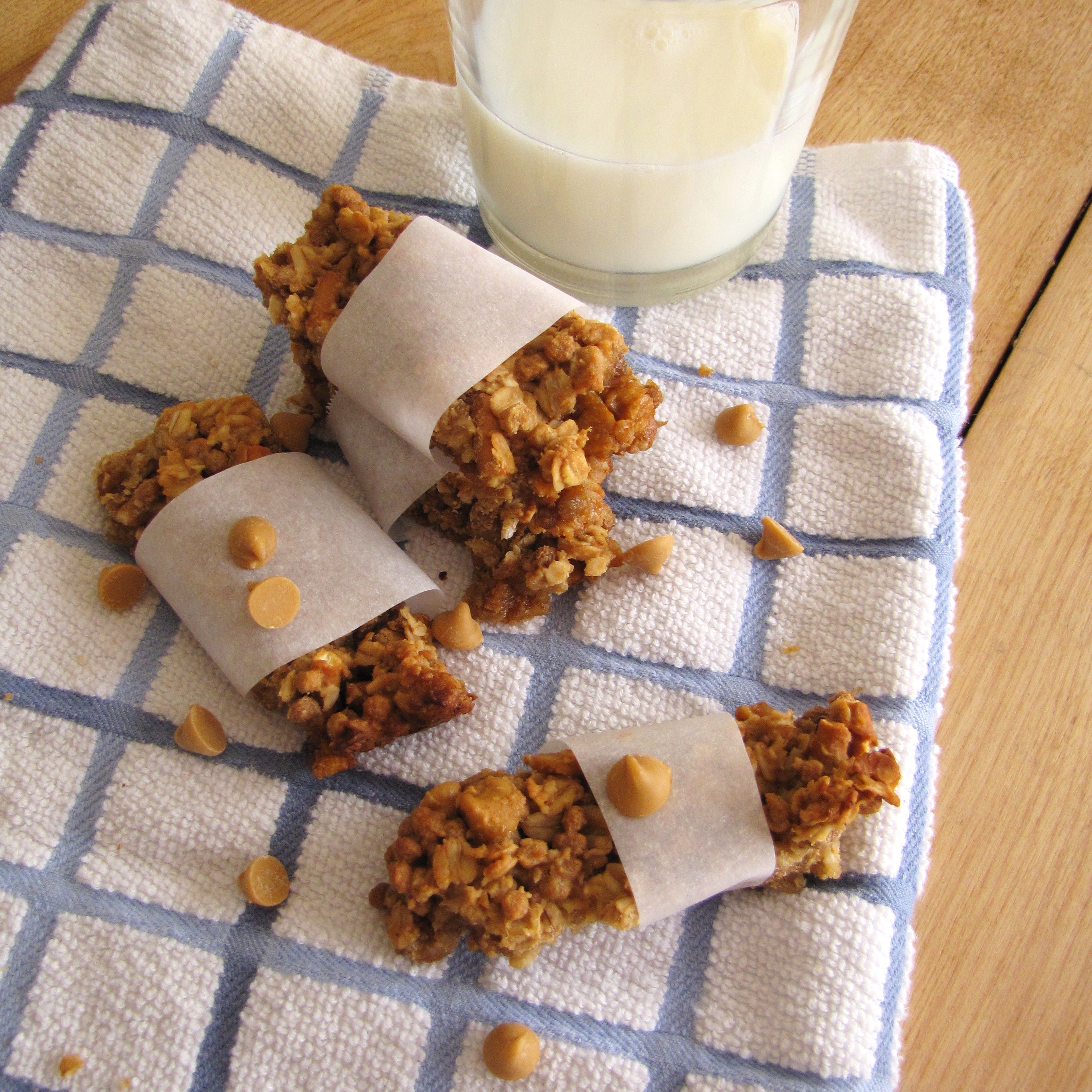
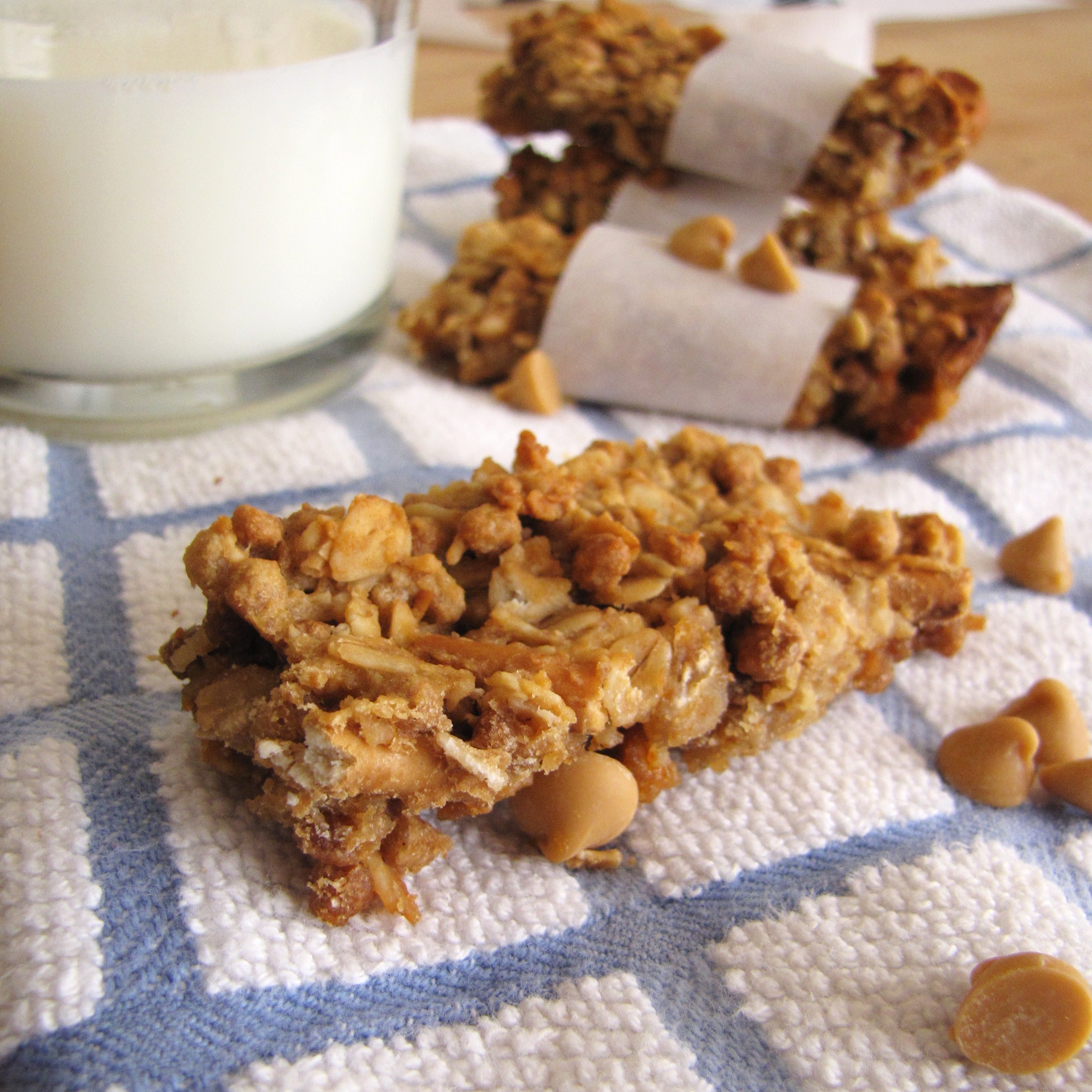
Both naps and snacks come in an incredible variety of types, each with its own benefits, shortcomings, and times at which it is appropriate to partake in them.  For example, you wouldn’t take a couch nap on a Sunday morning, and you wouldn’t reach for the hummus when that daily afternoon very intense chocolate craving kicks in (does that happen to other people??).  Similarly, you wouldn’t eat cookies before a big exam, you would eat something fibrous and brain-empowering, like granola bars.  Which brings us to today’s recipe for granola bars that possess a much stronger nutritional profile than your average, over-priced, but very convenient store bought granola bar.

Homemade granola bars have been on my “to make” list for a very long time, but I haven’t gotten around to it because I had kind of assumed they would be sort of time consuming.  False.  These literally took seven minutes to mix together.  Seven.  There are very few days when I don’t have seven minutes to bake.  Plus, they were much much better than I was expecting them to be.  For an egg-less, butter-less, oil-less, sugar-less baked good packed with flax and oats (and OK, a fair number of butterscotch chips too), they were so good.  Even though I sent the majority of them to this lucky guy I know who is very poor and happened to tell me that some days he doesn’t eat until 3 because he doesn’t get a break for lunch and never has anything to pack because the only things in their fridge are sausage, mushrooms, and Sweet Baby Ray’s … I probably consumed about 1/4 of the batch just by picking at the odds and ends during the photo shoot.  And then pondered why I wasn’t hungry after not eating breakfast.  Granola bars are breakfast, Katie.  Despite popular belief, eating three halves of something does not mean you didn’t eat any of it; it means you had one and a half of them.  This is probably shocking news to Steph, the queen of “I’ll just have half.”  Anyway.  They’re really good, really easy, and really pretty healthy too.  Plus you can pretty much put whatever you want in them in terms of mix-ins.  A great find.  One warning: if you’re expecting the crunchy snap of a Nature granola bar, these might disappoint – they are decidedly chewy.  It seems as though most of the recipes I’ve found use the same base recipe, but if I find a recipe for a truly crunchy bar, I will definitely share.  In the meantime, enjoy these as an appropriate pre-exam snack.  Or maybe even a pre-nap snack.  Live large.

P.S.  Thank you to everyone for your support in the Ridiculously Delicious Challenge!  I will be moving on to round 3 – more soon.

Butterscotch, Peanut Butter, and Pretzel Granola Bars

Adapted from Cherries and Chocolate.  Makes 12 granola bars.

  • 1/2 c. unsweetened applesauce
  • 2 TBS agave nectar
  • 1/3 c. creamy peanut butter
  • 1 1/3 c. old fashioned oats
  • 2/3 c. high fiber, small, crunchy cereal (bran buds, flax bites, puffed rice, etc.)
  • 1/4 tsp. salt
  • 2/3 c. butterscotch chips
  • 1/4 c. broken pretzel pieces
  1. Preheat oven to 350°F.  Line an 8×8 inch pan with parchment paper.
  2. Combine applesauce, peanut butter, and agave nectar, mixing until evenly textured.  Fold in oats, cereal, salt, chips, and pretzel pieces.  Spoon batter into pan and smooth into an even layer with back of spoon.
  3. Bake until golden brown, 25-30 minutes.  Allow to cool in pan for 5 mintues.  Then remove from pan by lifting edges of parchment paper.  Allow to cool completely (mine were best after letting them set overnight) before cutting, or they will fall apart.
Beet Ravioli

February 28, 2011 Pasta

Beet Ravioli

Please vote for my entry in the Marx Foods Ridiculously Delicious challenge here!

Remember when I competed (and won 2nd place!) in Duke’s Iron Chef competition and got a fancy pasta machine and went on and on about how I was gonna use it all the time?  Well, if your definition of all the time is approximately once every two months, then I guess you could say I was telling the truth.  And even if I don’t frequently have the opportunity to spend a few luxurious hours rolling out pasta dough, I do really enjoy it when I get the chance.  Kneading, stretching, cranking, folding, and re-cranking the dough is just an activity that really focuses me.  When Trevor and I went to the pasta class with Terrence, we used a food processor to mix and a KitchenAid to roll out the dough, but, while efficient, it really wasn’t the same.  Maybe it’s just that I’m so entranced by the idea of moving to Italy and living in a Tuscan farmhouse and growing my own perfect tomatoes and walking barefoot across the stone floors while singing (in Italian of course) and kneading pasta dough that I feel like practicing the kneading part now will leave me in good stead when I inherit an Italian estate.  Or maybe I was an Italian grandmother in a past life.  Or maybe I’m just trying to snag an Italian lover.  Who knows?

In any case, last weekend Trevor visited and it was a completely rejuvenating 3 days.  It was sunny and 70 degrees every day, I pushed aside all thoughts of work, I slept more than 8 hours each night, we went mushroom picking in the Duke Forest with Justin and Clark, Trevor made his debut at shooters… all in all, pretty good stuff.  And of course, we had to play around in the kitchen just a little bit.  What better to occupy a few hours in the kitchen than fresh pasta?

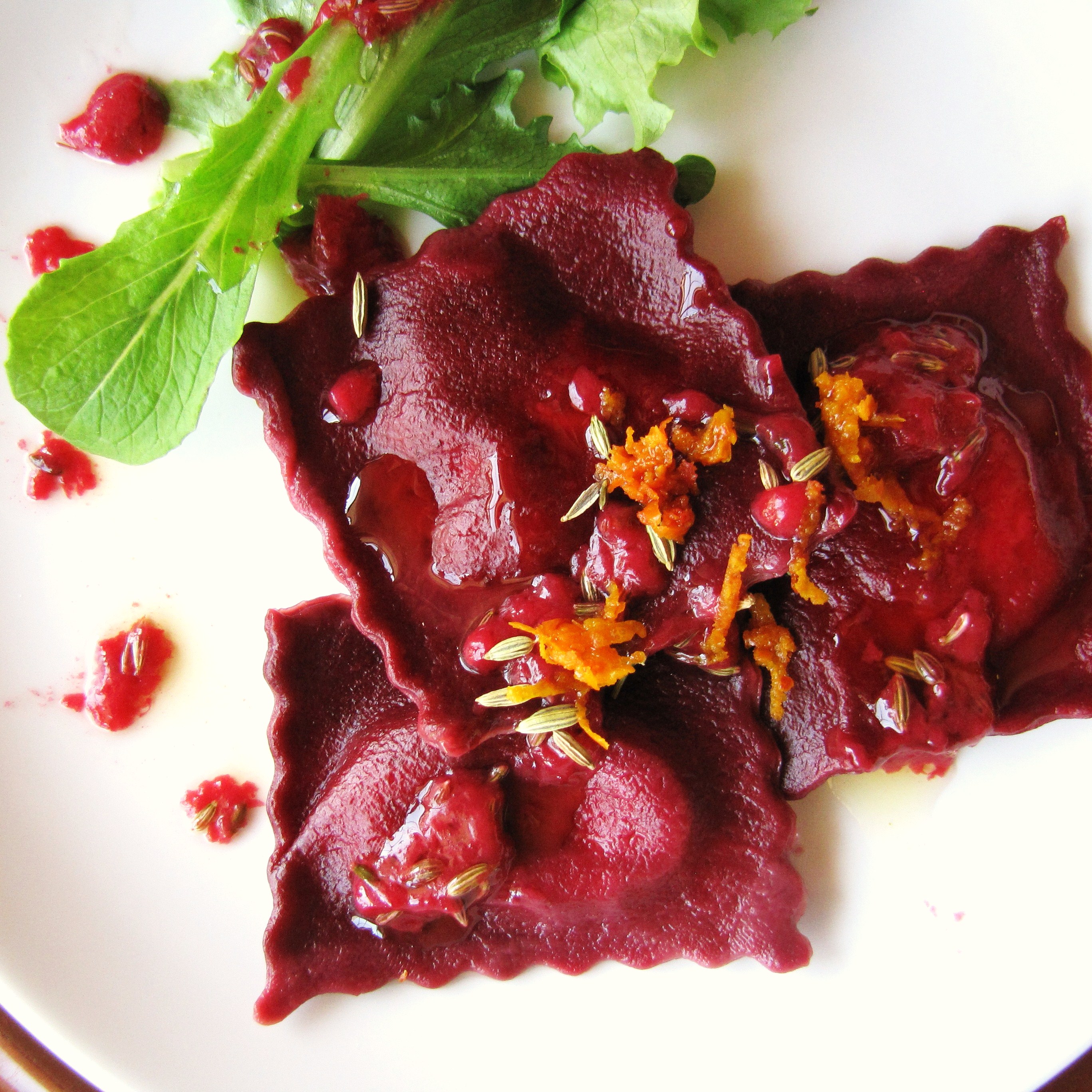
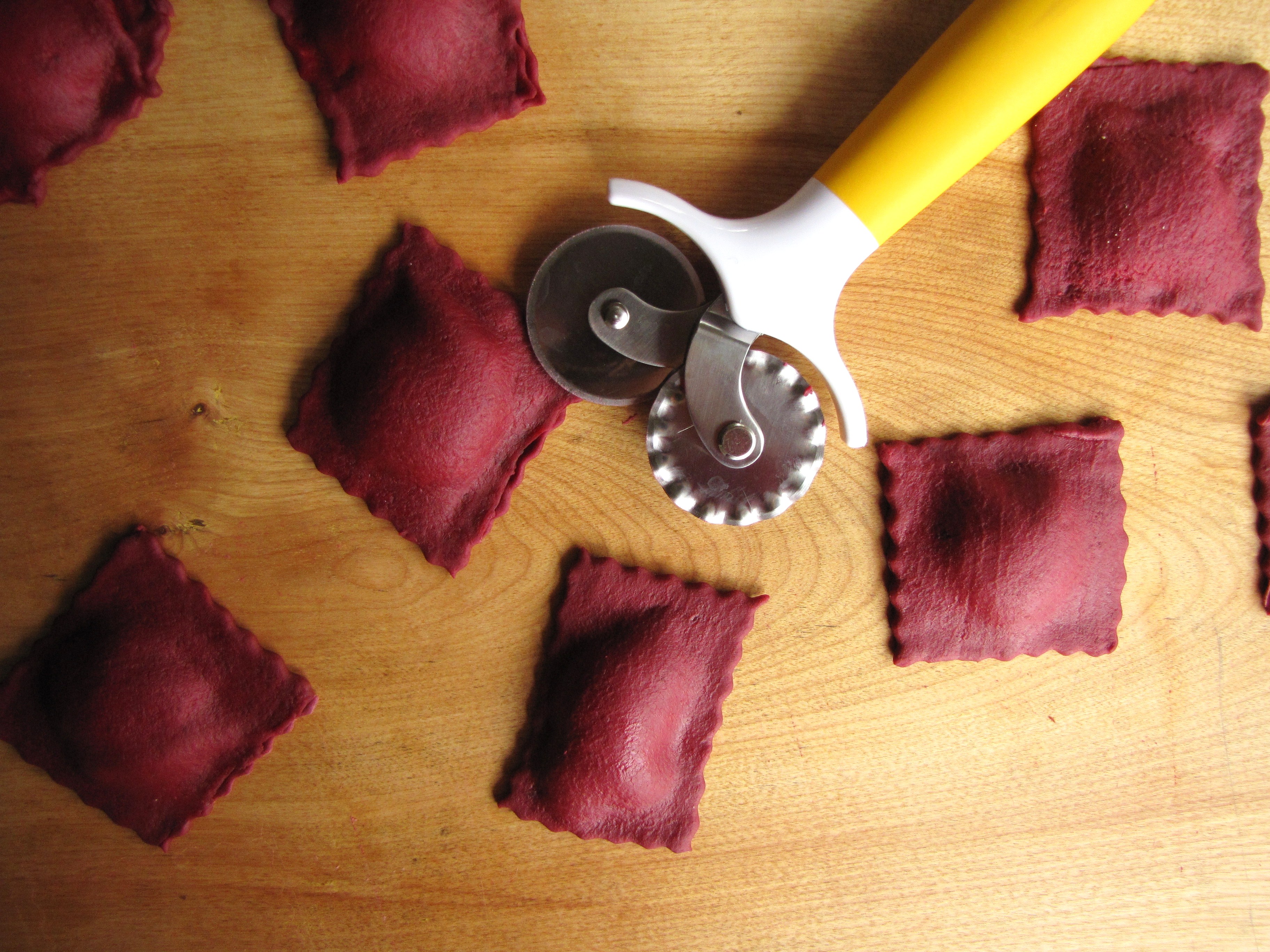
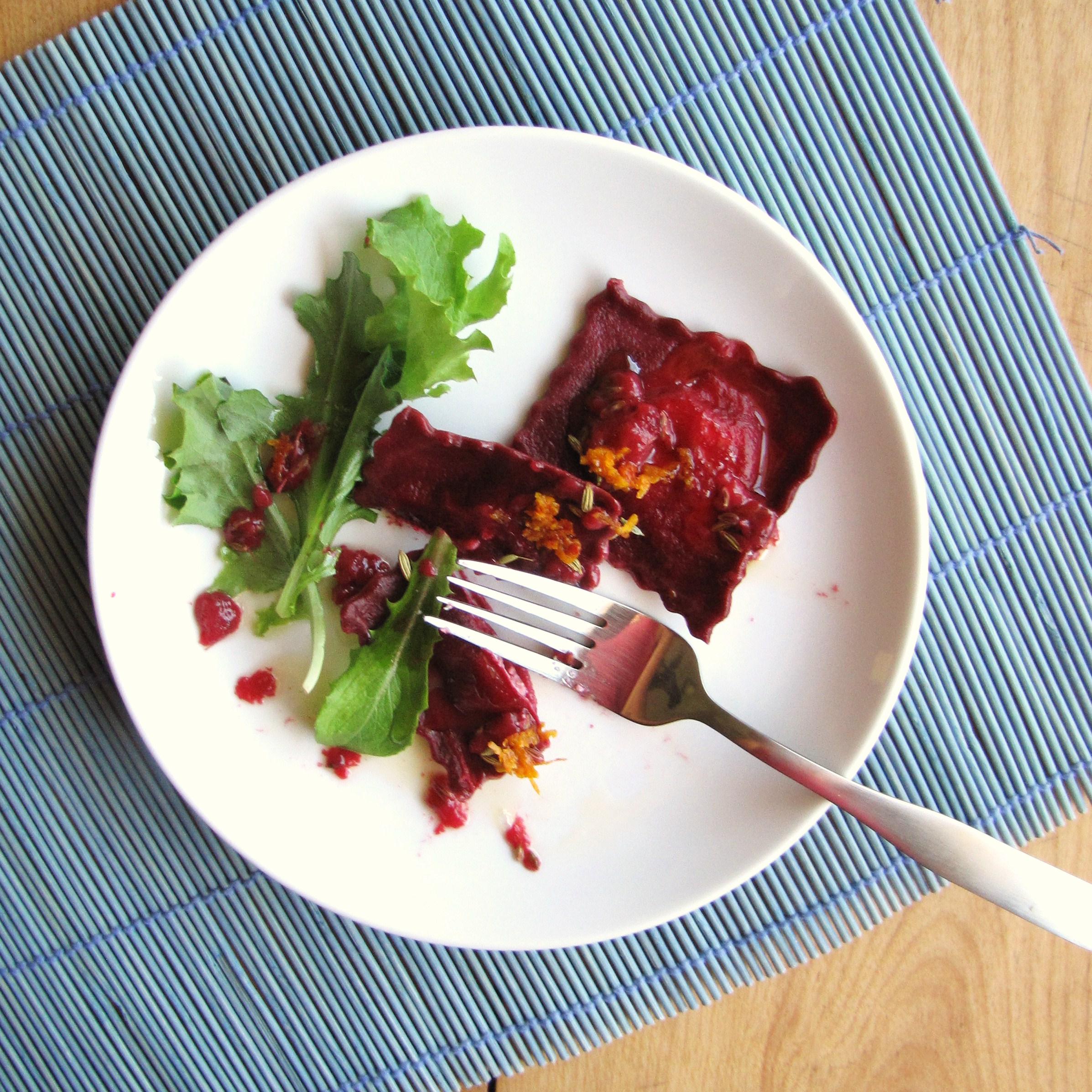
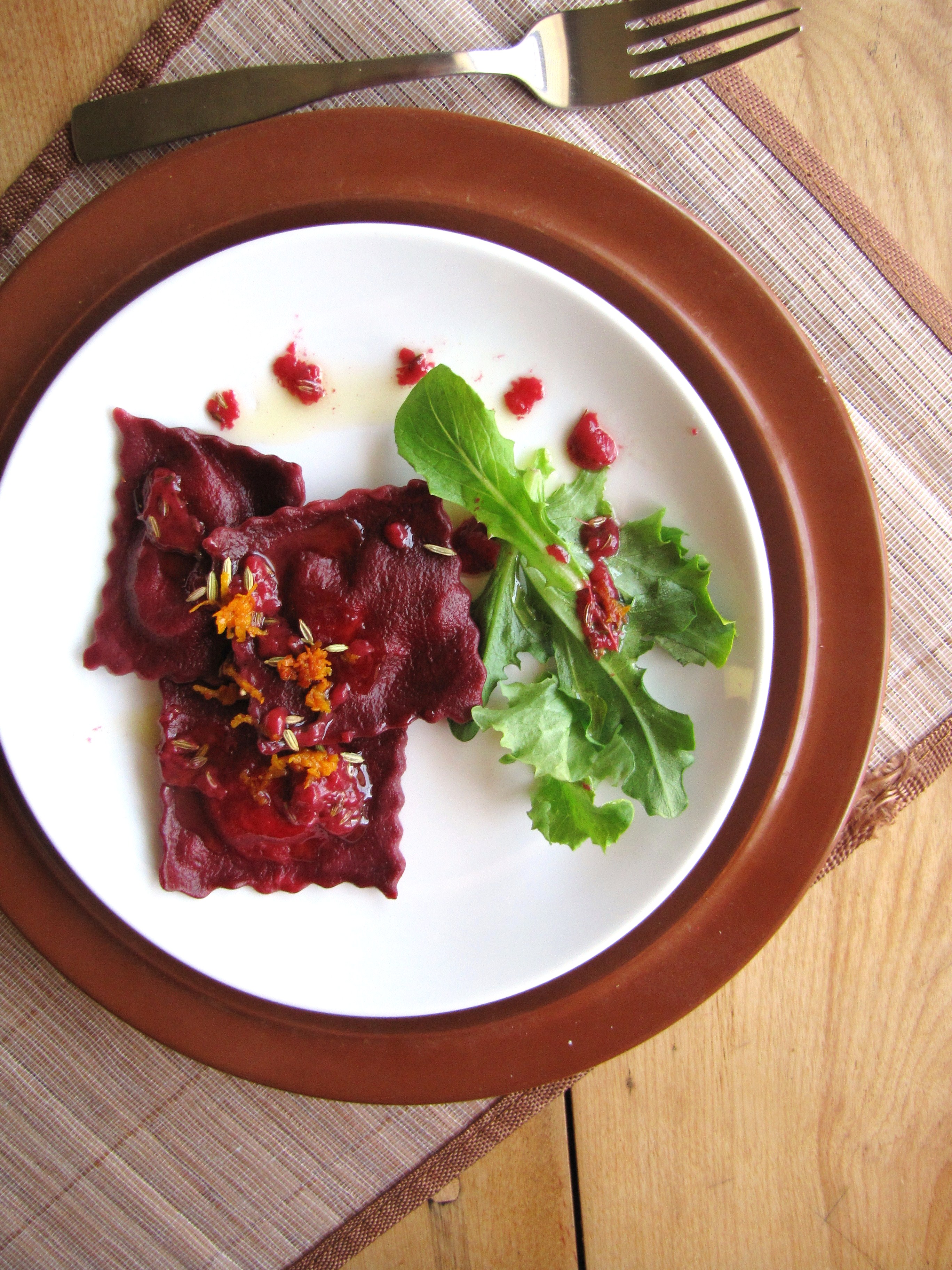
Ever since I had been totally awed by the beautiful color of these beet ravioli they had been in the back of my mind, so I decided to go for it.  They were incredible!  While the beets made the dough a bit more challenging to work with than an egg-based dough, they also lent a wonderful tenderness to the finished pasta.  Stuffed with a goat cheese, ricotta, and parmesan filling that melted out of the ravioli with every bite, they were a total win.  Last weekend we simply served them with some caramelized onions, a bit of melted butter, and grated parmesan cheese, and this weekend, for round 2, I mixed up a blood-orange and fennel butter sauce, based on a combination in The Flavor Bible.  Neither sauce was perfect, although I think I enjoyed the simple crunchy-sweetness of the onions more.  However, the blood orange sauce definitely won out in terms of sophistication and presentation.  If you try either preparation or think of something new, definitely let me know.  Either way, if you feel like spending a little time working with your hands and/or pretending your a five year old with the largest, tastiest quantity of purple play-dough you’ve ever encountered, definitely try this recipe.

Don’t forget to vote for my entry in Marx Food‘s Ridiculously Delicious Challenge, March 1st – March 4th!


Beet and Chevre Ravioli in a Blood-Orange and Fennel Sauce

Beet ravioli recipe adapted from Martha Stewart via Madeline’s Adaptations. Three beets makes about 2 pounds of pasta, probably enough for 80-100 ravioli.  Extra dough can be frozen, wrapped in plastic wrap, for several months.

For the ravioli:

  • 3 beets
  • 1 TBS olive oil
  • 3 eggs
  • 5-8 cups flour
  • 1 tsp. salt

For the filling (makes enough for 3-4 servings of ravioli):

  • 1/3 c. ricotta cheese
  • 1/3 c. goat cheese
  • 1/4 c. grated parmesan cheese
  • 2 tsp. olive oil
  • kosher salt and pepper to taste

For the Blood-Orange and Fennel Sauce (makes enough for 3-4 servings of ravioli):

  • 3 TBS butter
  • 1 tsp. fennel seeds, lightly toasted and coarsely ground (can leave whole if desired)
  • juice of 1-2 medium blood oranges
  • zest of 1 blood orange

For the pasta dough:

  1. Preheat the oven to 400°F.  Chop off beet greens, wash beets, and wrap in foil.  Roast in foil for 45 minutes to 1 hour (beets should be tender).  Allow to cool enough to handle, then peel off skin, and puree beets in blender.
  2. Mix beet puree, eggs, olive oil, and salt in a large bowl.  Add 3 cups of flour, and incorporate fully with a wooden spoon.  Add remaining flour 1 cup at a time, kneading by hand between additions, until the dough is elastic, does not stick to hands, and has been kneaded for at least ten minutes.  I ended up using about 8 cups of flour to balance the amount of liquid that 3 beets added to the dough.
  3. Allow dough to rest for 30 minutes.  Roll out using a pasta machine, or with a rolling pin as thinly as possible.

For the filling and ravioli:

  1. Mix all ingredients together until smooth.  Season to taste.  Place a teaspoon of filling inside a 3 inch square of pasta dough.  Fold one edge over and seal edges, pressing together firmly with fingers.  Trim with a ravioli cutter for presentation.  Boil ravioli for 2-3 minutes in a gently boiling, salted pot of water.

For the sauce:

  1. Melt butter in a small saucepan until beginning to foam.  Add fennel and sautee until fragrant, about 1 minute.  Add blood orange juice and reduce to desired consistency.  Season with salt as necessary.  Serve over ravioli; top with blood orange zest.
http://www.amazon.com/Flavor-Bible-Essential-Creativity-Imaginative/dp/0316118400/ref=sr_1_1?ie=UTF8&qid=1298935093&sr=8-1
  • « Previous Page
  • Page 1
  • …
  • Page 48
  • Page 49
  • Page 50
  • Page 51
  • Page 52
  • …
  • Page 57
  • Next Page »

Primary Sidebar

Subscribe!

Get creative recipes and menu ideas delivered straight to your inbox.

Most Popular

A House // Sweet Potato and Coconut Milk Soup with Brown Rice and Lentils

Monthly Fitness Goals: July // Homemade Spinach Wraps with Chopped Greek Salad

A New Job // Classic Seven-Layer Bars

Butternut Squash Carbonara with Fried Sage and Caramelized Onions

Happy Birthday, Trevor! // Peanut Butter Fudge

Cookbook Review and Giveaway: Home Made Winter

Drizly

Please note!

Full disclosure: if you purchase anything at Amazon using the above links or any other links to Amazon on this site, I will receive a small commission. Just so you know!

Copyright© 2018 · Cookd Pro Theme by Shay Bocks

This site uses cookies: Find out more.